EditorialCreativeSportKollektionenVideos
Preise
0Anmelden

Visuelle Inhalte für Profis.
800 Mio.+ Bilder und Videos.

Content-Hub

  • Aktuelle Ereignisse
  • Bilder des Jahres
  • Sport
  • Editorial
  • Creative
  • Kollektionen
  • Videos

Angebote

  • Preise & Pakete
  • Aktionen
  • Enterprise
  • Newsletter
  • Blog
  • The Game Magazine

Services

  • Bildrecherche
  • Auftragsfotografie
  • API & FTP Push
  • my-picturemaxx
  • Partner werden

Unternehmen

  • Über IMAGO
  • Karriere
  • News

Hilfe-Center

  • FAQ
  • Kontakt
ImpressumNutzungsbedingungenLizenzinformationenDatenschutzDatenschutzeinstellungen
© 2026 IMAGO
CEPICBAPLABVPA
Zurück zu den Kollektionen

IMAGO History, Arktische Expeditionen, Alfred-Wegener-Institut, MOSAiC-Expedition mit der Polarstern 2019-2020

09.09.2020

Die folgenden Fotos wurden von der IMAGO Bildredaktion zu diesem Thema für Sie ausgewählt. Für weitere Bilder nutzen Sie bitte die Suchfunktion.
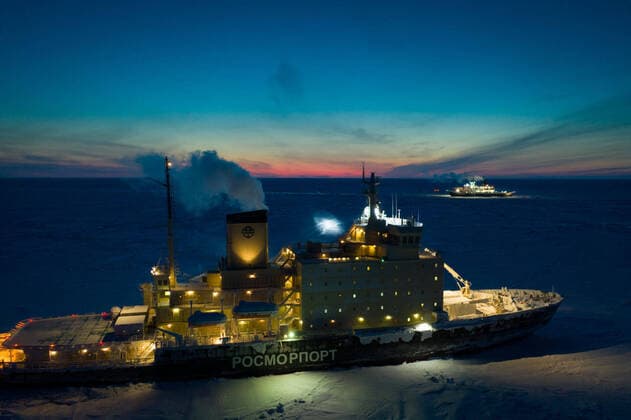
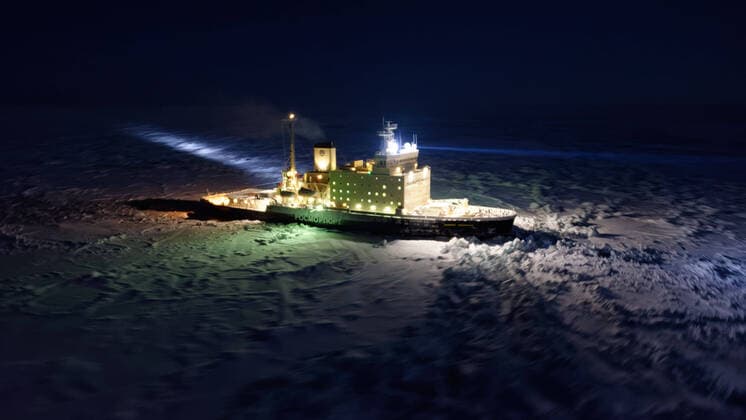
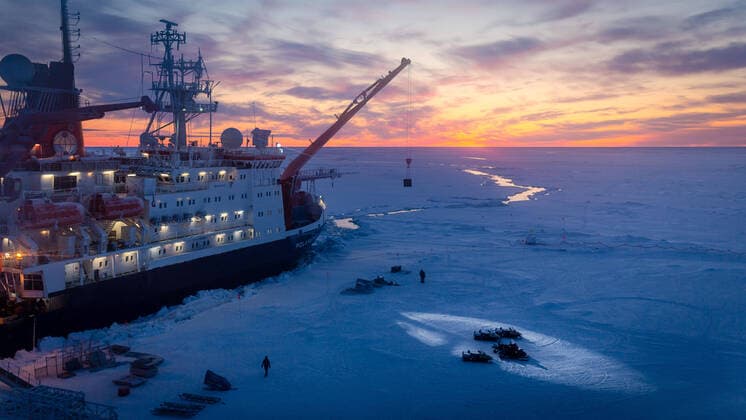
  • March 10, 2019, Arctic Sea, Arctic: Russian icebreaker Kapitan Dranitsyn supplies research icebreaker Polarstern in in the Central Arctic Ocean. MOSAiC is the largest polar expedition in history: in September 2019, the German research icebreaker Polarstern has set sail from Tromso, Norway, to spend a year drifting through the Arctic Ocean, trapped in ice. The goal of the MOSAiC expedition is to take the closest look ever at the Arctic as the epicenter of global warming and to gain fundamental insights that are key to better understand global climate change. Hundreds of researchers from 20 countries are involved in this exceptional endeavor. Following in the footsteps of Fridtjof Nansen s ground-breaking expedition with his wooden sailing ship Fram in 1893-1896, the MOSAiC expedition will bring a modern research icebreaker close to the nor - ZUMAz03_ 20200310_rep_z03_127 Copyright: xMauelxErnstx
  • December 11, 2019, Arctic Sea, Arctic: The arrival day of our supply vessel, Capitan Dranitsyn, is getting closer. We can already see her spotlights with binoculars on the horizon. At the same time, we can also follow her position on ours board computers. She is cutting through the ice and will reach our MOSAiC ice floe soon. The team of Leg 1 is prepared to welcome our colleagues of Leg 2 for the exchange. Following in the footsteps of Fridtjof Nansen s ground-breaking expedition with his wooden sailing ship Fram in 1893-1896, the MOSAiC expedition will bring a modern research icebreaker close to the north pole for a full year including for the first time in polar winter. The data gathered will be used by scientists around the globe to take climate research to a completely new level. MOSAiC is spearheaded by Helmholtz Centre for Polar - ZUMAz03_ 20191211_rep_z03_126 Copyright: xAlfredxWegenerxInstitute,x
  • December 10, 2019, Arctic Sea, Arctic: the Polarstern research vessel. MOSAiC is the largest polar expedition in history: in September 2019, the German research icebreaker Polarstern has set sail from Tromso, Norway, to spend a year drifting through the Arctic Ocean, trapped in ice. The goal of the MOSAiC expedition is to take the closest look ever at the Arctic as the epicenter of global warming and to gain fundamental insights that are key to better understand global climate change. Hundreds of researchers from 20 countries are involved in this exceptional endeavor. Following in the footsteps of Fridtjof Nansen s ground-breaking expedition with his wooden sailing ship Fram in 1893-1896, the MOSAiC expedition will bring a modern research icebreaker close to the north pole for a full year including for the first time in polar winter. The - ZUMAz03_ 20191117_rep_z03_125 Copyright: xEstherxHorvathx
  • November 7, 2019, Arctic Sea, Arctic: Ice conditions around the vessel are really stable. After we experienced quite a dynamic phase at the beginning of the drift, ice movements calmed down. We observe a few cracks here and there as they open and close on the scale of centimeters. However, beyond this, situation is stable and allows regular work on the ice without major complications. Following in the footsteps of Fridtjof Nansen s ground-breaking expedition with his wooden sailing ship Fram in 1893-1896, the MOSAiC expedition will bring a modern research icebreaker close to the north pole for a full year including for the first time in polar winter. The data gathered will be used by scientists around the globe to take climate research to a completely new level. MOSAiC is spearheaded by Alfred Wegener Institute, Helmholtz Centre for Polar - ZUMAz03_ 20191107_rep_z03_123 Copyright: xEstherxHorvathx
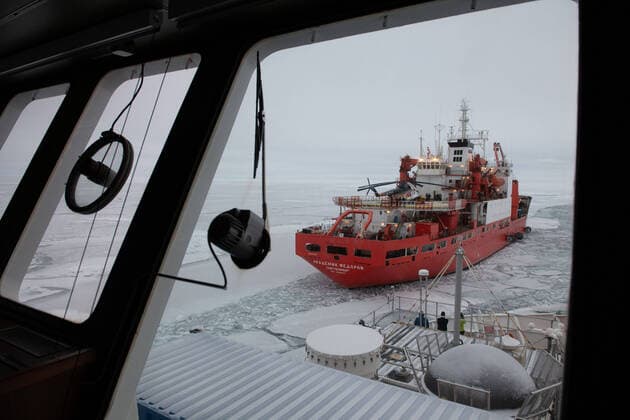
  • October 2, 2019, Arctic Sea, Arctic: The ship Polarstern approaches supply ship Akademik Federov to exchange people and scientific equipment. MOSAiC is the largest polar expedition in history: in September 2019, the German research icebreaker Polarstern has set sail from Tromso, Norway, to spend a year drifting through the Arctic Ocean, trapped in ice. The goal of the MOSAiC expedition is to take the closest look ever at the Arctic as the epicenter of global warming and to gain fundamental insights that are key to better understand global climate change. Hundreds of researchers from 20 countries are involved in this exceptional endeavor. Following in the footsteps of Fridtjof Nansen s ground-breaking expedition with his wooden sailing ship Fram in 1893-1896, the MOSAiC expedition will bring a modern research icebreaker close to the north - ZUMAz03_ 20190926_rep_z03_117 Copyright: xEstherxHorvathx
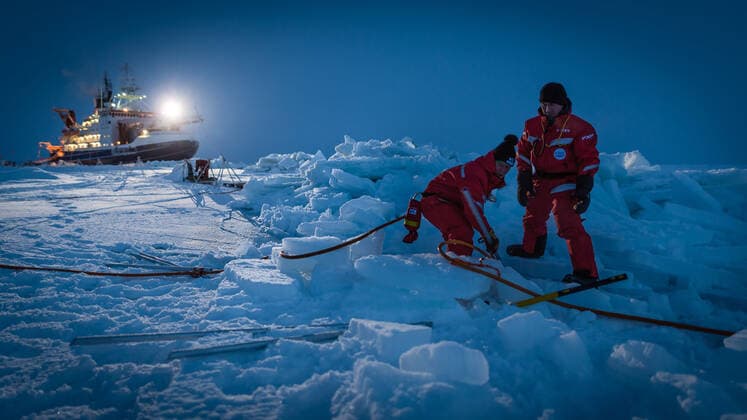
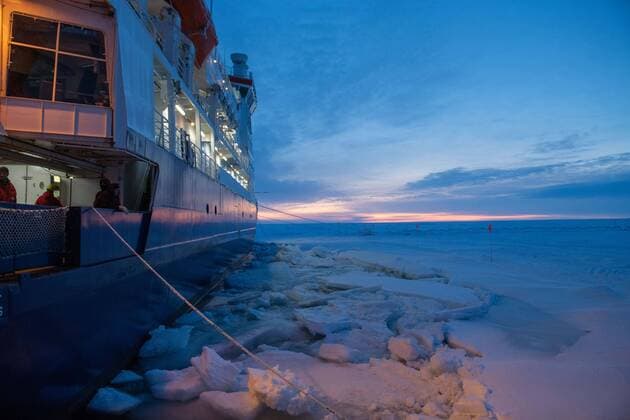
  • October 16, 2019, Arctic Sea, Arctic: A ridge formed between the Polarstern and the ROV Site and buried parts of the power cable. In the evening we recovered the cable between the ice blocks of the ridge and with some intuition, we pulled back the cable out of the newly formed ridge. MOSAiC is the largest polar expedition in history: in September 2019, the German research icebreaker Polarstern has set sail from Tromso, Norway, to spend a year drifting through the Arctic Ocean, trapped in ice. The goal of the MOSAiC expedition is to take the closest look ever at the Arctic as the epicenter of global warming and to gain fundamental insights that are key to better understand global climate change. Hundreds of researchers from 20 countries are involved in this exceptional endeavor. Following in the footsteps of Fridtjof Nansen s ground-breaki - ZUMAz03_ 20191011_rep_z03_121 Copyright: xStefanxHendricksx
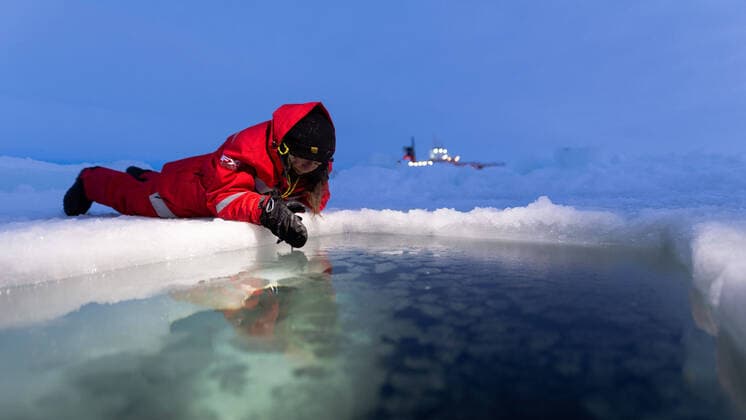
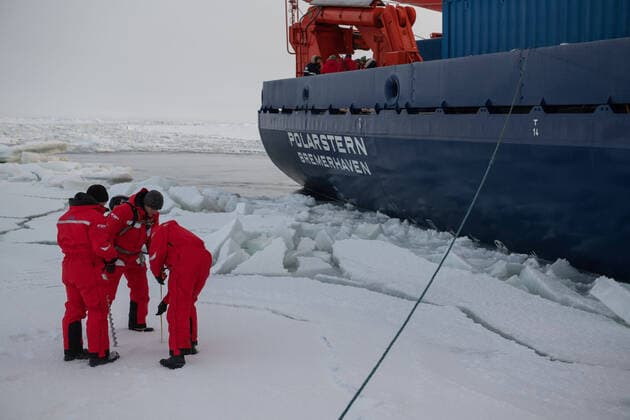
  • October 11, 2019, Arctic Sea, Arctic: Crack in front of Polarstern at the ice camp. MOSAiC is the largest polar expedition in history: in September 2019, the German research icebreaker Polarstern has set sail from Tromso, Norway, to spend a year drifting through the Arctic Ocean, trapped in ice. The goal of the MOSAiC expedition is to take the closest look ever at the Arctic as the epicenter of global warming and to gain fundamental insights that are key to better understand global climate change. Hundreds of researchers from 20 countries are involved in this exceptional endeavor. Following in the footsteps of Fridtjof Nansen s ground-breaking expedition with his wooden sailing ship Fram in 1893-1896, the MOSAiC expedition will bring a modern research icebreaker close to the north pole for a full year including for the first time in polar - ZUMAz03_ 20191011_rep_z03_120 Copyright: xStefanxHendricksx
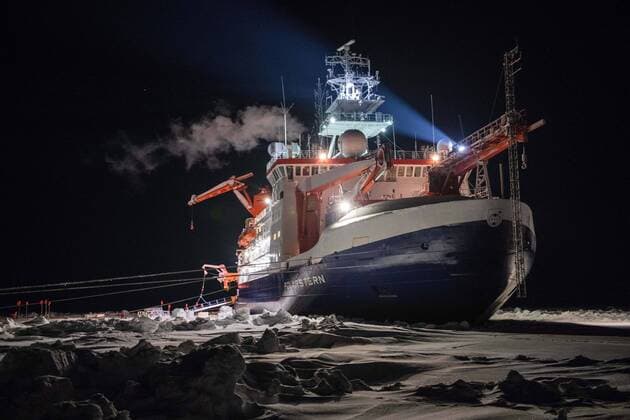
  • September 29, 2019, Arctic Sea, Arctic: Research vessel Polarstern on the MOSAiC ice floe. MOSAiC is the largest polar expedition in history: in September 2019, the German research icebreaker Polarstern has set sail from Tromso, Norway, to spend a year drifting through the Arctic Ocean, trapped in ice. The goal of the MOSAiC expedition is to take the closest look ever at the Arctic as the epicenter of global warming and to gain fundamental insights that are key to better understand global climate change. Hundreds of researchers from 20 countries are involved in this exceptional endeavor. Following in the footsteps of Fridtjof Nansen s ground-breaking expedition with his wooden sailing ship Fram in 1893-1896, the MOSAiC expedition will bring a modern research icebreaker close to the north pole for a full year including for the first time - ZUMAz03_ 20191029_arc_z03_092 Copyright: xEstherxHorvathx
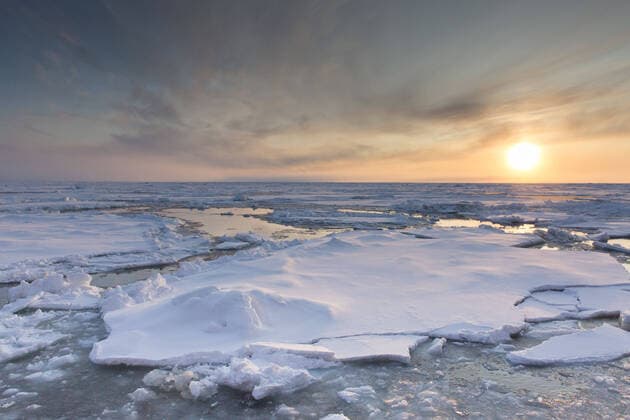
  • September 29, 2019, Arctic Sea, Arctic: Sea ice on Arctic Ocean. MOSAiC is the largest polar expedition in history: in September 2019, the German research icebreaker Polarstern has set sail from Tromso, Norway, to spend a year drifting through the Arctic Ocean, trapped in ice. The goal of the MOSAiC expedition is to take the closest look ever at the Arctic as the epicenter of global warming and to gain fundamental insights that are key to better understand global climate change. Hundreds of researchers from 20 countries are involved in this exceptional endeavor. Following in the footsteps of Fridtjof Nansen s ground-breaking expedition with his wooden sailing ship Fram in 1893-1896, the MOSAiC expedition will bring a modern research icebreaker close to the north pole for a full year including for the first time in polar winter. The data g - ZUMAz03_ 20191029_arc_z03_089 Copyright: xSebastianxGrotex
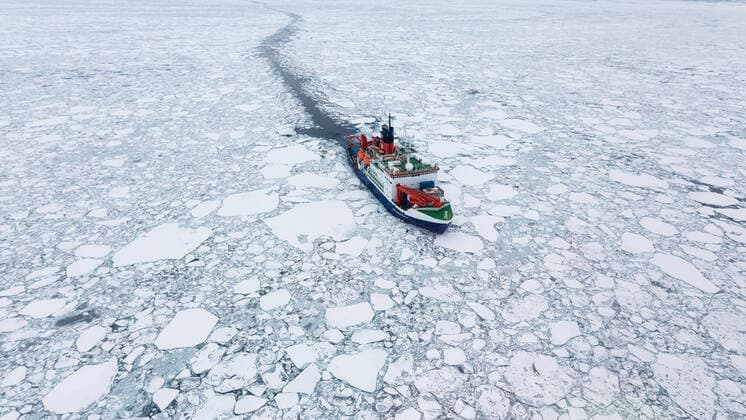
  • September 28, 2019, Arctic Sea, Arctic: Research ship the Polarstern in Arctic sea ice. MOSAiC is the largest polar expedition in history: in September 2019, the German research icebreaker Polarstern has set sail from Tromso, Norway, to spend a year drifting through the Arctic Ocean, trapped in ice. The goal of the MOSAiC expedition is to take the closest look ever at the Arctic as the epicenter of global warming and to gain fundamental insights that are key to better understand global climate change. Hundreds of researchers from 20 countries are involved in this exceptional endeavor. Following in the footsteps of Fridtjof Nansen s ground-breaking expedition with his wooden sailing ship Fram in 1893-1896, the MOSAiC expedition will bring a modern research icebreaker close to the north pole for a full year including for the first time in p - ZUMAz03_ 20191028_arc_z03_087 Copyright: xStefanxHendricksx
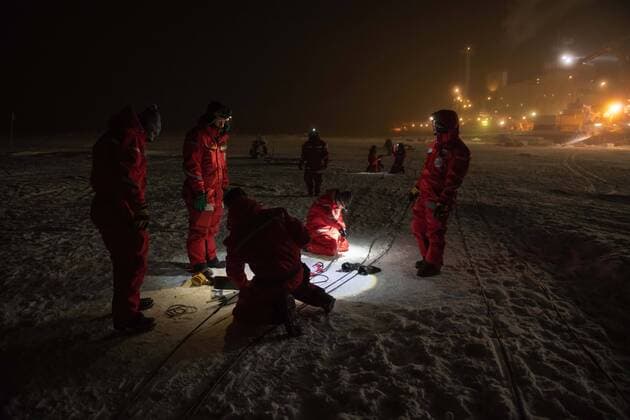
  • December 15, 2019, Arctic Sea, Arctic: Team Ocean science handover. Scientific teams conduct scientific hand over on the MOSAiC ice floe during the exchange period between Leg 1 and Leg 2. MOSAiC is the largest polar expedition in history: in September 2019, the German research icebreaker Polarstern has set sail from Tromso, Norway, to spend a year drifting through the Arctic Ocean, trapped in ice. The goal of the MOSAiC expedition is to take the closest look ever at the Arctic as the epicenter of global warming and to gain fundamental insights that are key to better understand global climate change. Hundreds of researchers from 20 countries are involved in this exceptional endeavor. Following in the footsteps of Fridtjof Nansen s ground-breaking expedition with his wooden sailing ship Fram in 1893-1896, the MOSAiC expedition will bring a - ZUMAz03_ 20191215_arc_z03_083 Copyright: xEstherxHorvathx
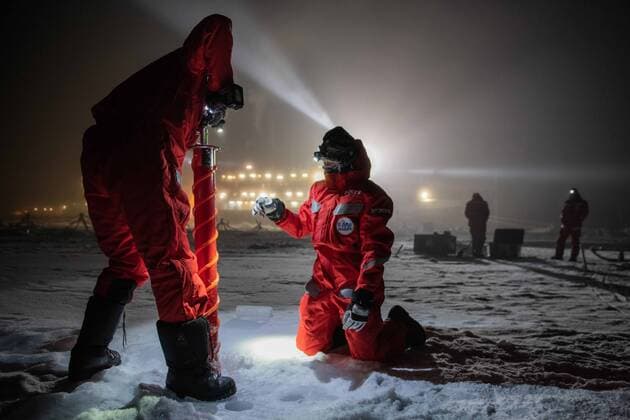
  • December 15, 2019, Arctic Sea, Arctic: Scientific teams conduct the scientific hand over. BGC Leg 2 team member ADELA DUMITRASCU and PARTIC SIMOES PEREIRA (L) cores at BGC coring site on MOSAiC ice floe as a part of the scientific handover. MOSAiC is the largest polar expedition in history: in September 2019, the German research icebreaker Polarstern has set sail from Tromso, Norway, to spend a year drifting through the Arctic Ocean, trapped in ice. The goal of the MOSAiC expedition is to take the closest look ever at the Arctic as the epicenter of global warming and to gain fundamental insights that are key to better understand global climate change. Hundreds of researchers from 20 countries are involved in this exceptional endeavor. Following in the footsteps of Fridtjof Nansen s ground-breaking expedition with his wooden sailing ship F - ZUMAz03_ 20191215_arc_z03_082 Copyright: xEstherxHorvathx
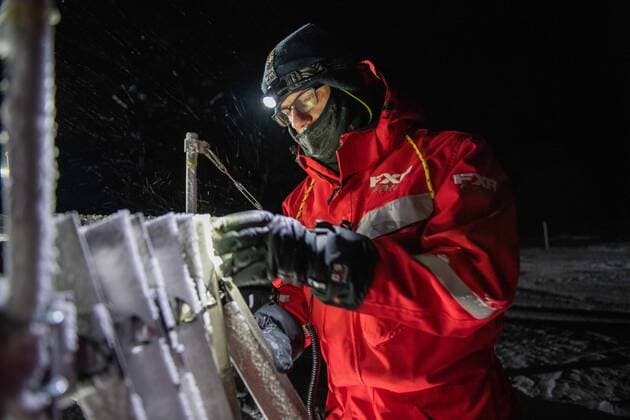
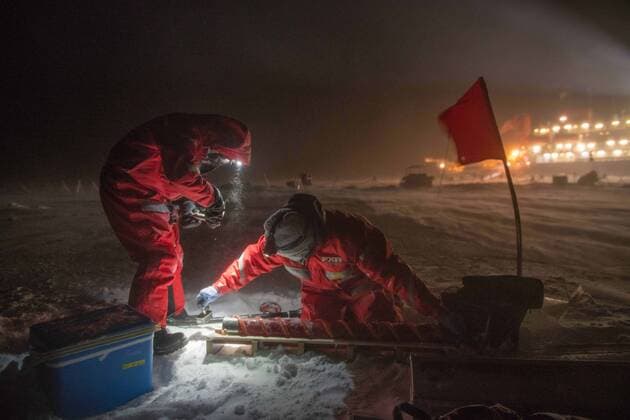
  • November 25, 2019, Arctic Sea, Arctic: MATTHEW SHUPE cleans snow from scientific equipment at Met City. MOSAiC is the largest polar expedition in history: in September 2019, the German research icebreaker Polarstern has set sail from Tromso, Norway, to spend a year drifting through the Arctic Ocean, trapped in ice. The goal of the MOSAiC expedition is to take the closest look ever at the Arctic as the epicenter of global warming and to gain fundamental insights that are key to better understand global climate change. Hundreds of researchers from 20 countries are involved in this exceptional endeavor. Following in the footsteps of Fridtjof Nansen s ground-breaking expedition with his wooden sailing ship Fram in 1893-1896, the MOSAiC expedition will bring a modern research icebreaker close to the north pole for a full year including for t - ZUMAz03_ 20191125_arc_z03_072 Copyright: xEstherxHorvathx
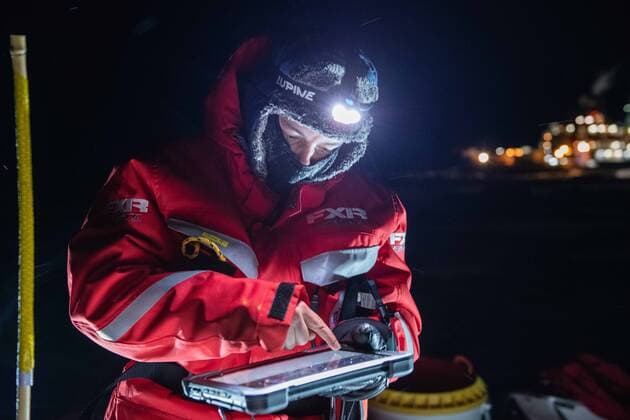
  • October 28, 2019, Arctic Sea, Arctic: NICOLE HILDEBRANDT enters information about scientific measurements into floe navi. MOSAiC is the largest polar expedition in history: in September 2019, the German research icebreaker Polarstern has set sail from Tromso, Norway, to spend a year drifting through the Arctic Ocean, trapped in ice. The goal of the MOSAiC expedition is to take the closest look ever at the Arctic as the epicenter of global warming and to gain fundamental insights that are key to better understand global climate change. Hundreds of researchers from 20 countries are involved in this exceptional endeavor. Following in the footsteps of Fridtjof Nansen s ground-breaking expedition with his wooden sailing ship Fram in 1893-1896, the MOSAiC expedition will bring a modern research icebreaker close to the north pole for a full year - ZUMAz03_ 20191028_arc_z03_065 Copyright: xEstherxHorvathx
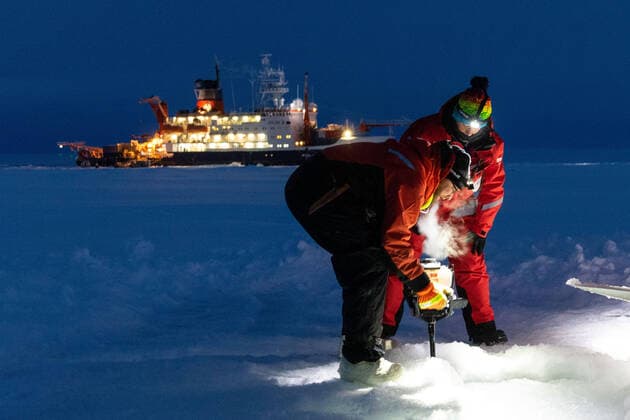
  • October 9, 2019, Arctic Sea, Arctic: MARC OGGIER and JULIA REGNERY working on the sea ice, during MOSAiC Leg1. MOSAiC is the largest polar expedition in history: in September 2019, the German research icebreaker Polarstern has set sail from Tromso, Norway, to spend a year drifting through the Arctic Ocean, trapped in ice. The goal of the MOSAiC expedition is to take the closest look ever at the Arctic as the epicenter of global warming and to gain fundamental insights that are key to better understand global climate change. Hundreds of researchers from 20 countries are involved in this exceptional endeavor. Following in the footsteps of Fridtjof Nansen s ground-breaking expedition with his wooden sailing ship Fram in 1893-1896, the MOSAiC expedition will bring a modern research icebreaker close to the north pole for a full year including - ZUMAz03_ 20191009_arc_z03_054 Copyright: xMarcelxNicolausx
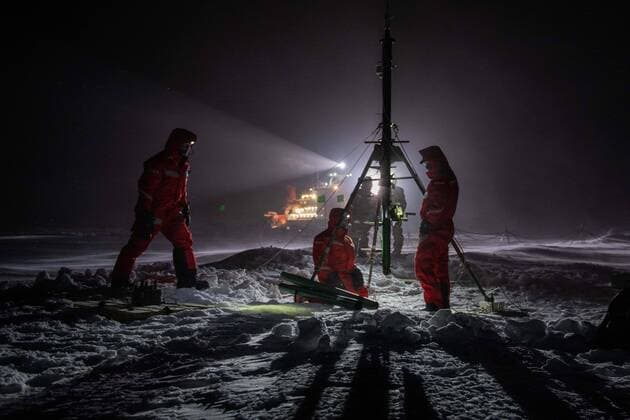
  • December 7, 2019, Arctic Sea, Arctic: Building the 30 meter tower at Met City. MOSAiC is the largest polar expedition in history: in September 2019, the German research icebreaker Polarstern has set sail from Tromso, Norway, to spend a year drifting through the Arctic Ocean, trapped in ice. The goal of the MOSAiC expedition is to take the closest look ever at the Arctic as the epicenter of global warming and to gain fundamental insights that are key to better understand global climate change. Hundreds of researchers from 20 countries are involved in this exceptional endeavor. Following in the footsteps of Fridtjof Nansen s ground-breaking expedition with his wooden sailing ship Fram in 1893-1896, the MOSAiC expedition will bring a modern research icebreaker close to the north pole for a full year including for the first time in polar wint - ZUMAz03_ 20191208_arc_z03_079 Copyright: xEstherxHorvathx
  • December 4, 2019, Arctic Sea, Arctic: LEI WANG (R) and MICHAEL ANGELOPOLOUS (L) take ice cores on the sea ice. MOSAiC is the largest polar expedition in history: in September 2019, the German research icebreaker Polarstern has set sail from Tromso, Norway, to spend a year drifting through the Arctic Ocean, trapped in ice. The goal of the MOSAiC expedition is to take the closest look ever at the Arctic as the epicenter of global warming and to gain fundamental insights that are key to better understand global climate change. Hundreds of researchers from 20 countries are involved in this exceptional endeavor. Following in the footsteps of Fridtjof Nansen s ground-breaking expedition with his wooden sailing ship Fram in 1893-1896, the MOSAiC expedition will bring a modern research icebreaker close to the north pole for a full year including - ZUMAz03_ 20191204_arc_z03_074 Copyright: xEstherxHorvathx
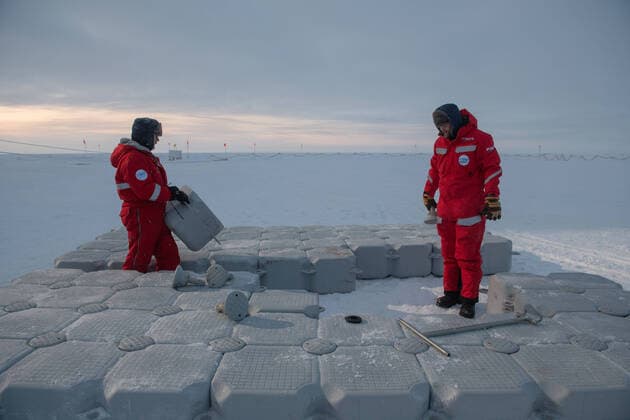
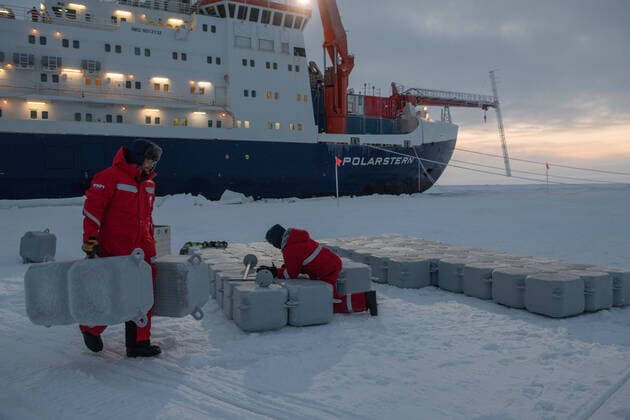
  • October 10, 2019, Arctic Sea, Arctic: Scientists work on building the temporary Ocean City next to research vessel Polarstern. MOSAiC is the largest polar expedition in history: in September 2019, the German research icebreaker Polarstern has set sail from Tromso, Norway, to spend a year drifting through the Arctic Ocean, trapped in ice. The goal of the MOSAiC expedition is to take the closest look ever at the Arctic as the epicenter of global warming and to gain fundamental insights that are key to better understand global climate change. Hundreds of researchers from 20 countries are involved in this exceptional endeavor. Following in the footsteps of Fridtjof Nansen s ground-breaking expedition with his wooden sailing ship Fram in 1893-1896, the MOSAiC expedition will bring a modern research icebreaker close to the north pole for a fu - ZUMAz03_ 20191010_arc_z03_060 Copyright: xStefanxHendricksx
  • October 10, 2019, Arctic Sea, Arctic: Scientists building the platform of the temporary Ocean City next to research vessel Polarstern. MOSAiC is the largest polar expedition in history: in September 2019, the German research icebreaker Polarstern has set sail from Tromso, Norway, to spend a year drifting through the Arctic Ocean, trapped in ice. The goal of the MOSAiC expedition is to take the closest look ever at the Arctic as the epicenter of global warming and to gain fundamental insights that are key to better understand global climate change. Hundreds of researchers from 20 countries are involved in this exceptional endeavor. Following in the footsteps of Fridtjof Nansen s ground-breaking expedition with his wooden sailing ship Fram in 1893-1896, the MOSAiC expedition will bring a modern research icebreaker close to the north pole - ZUMAz03_ 20191010_arc_z03_059 Copyright: xEstherxHorvathx
  • October 10, 2019, Arctic Sea, Arctic: Scientists building the platform of the temporary Ocean City next to research vessel Polarstern. MOSAiC is the largest polar expedition in history: in September 2019, the German research icebreaker Polarstern has set sail from Tromso, Norway, to spend a year drifting through the Arctic Ocean, trapped in ice. The goal of the MOSAiC expedition is to take the closest look ever at the Arctic as the epicenter of global warming and to gain fundamental insights that are key to better understand global climate change. Hundreds of researchers from 20 countries are involved in this exceptional endeavor. Following in the footsteps of Fridtjof Nansen s ground-breaking expedition with his wooden sailing ship Fram in 1893-1896, the MOSAiC expedition will bring a modern research icebreaker close to the north pole - ZUMAz03_ 20191010_arc_z03_058 Copyright: xEstherxHorvathx
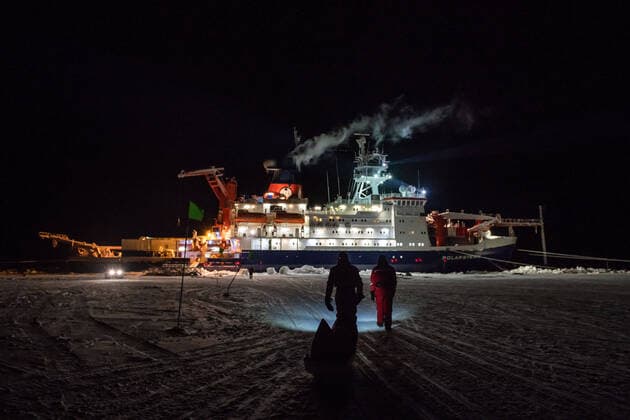
  • October 5, 2019, Arctic Sea, Arctic: Arrival at MOSAiC ice floe. Group of scientist leaves ship the Polarstern for an ice survey. MOSAiC is the largest polar expedition in history: in September 2019, the German research icebreaker Polarstern has set sail from Tromso, Norway, to spend a year drifting through the Arctic Ocean, trapped in ice. The goal of the MOSAiC expedition is to take the closest look ever at the Arctic as the epicenter of global warming and to gain fundamental insights that are key to better understand global climate change. Hundreds of researchers from 20 countries are involved in this exceptional endeavor. Following in the footsteps of Fridtjof Nansen s ground-breaking expedition with his wooden sailing ship Fram in 1893-1896, the MOSAiC expedition will bring a modern research icebreaker close to the north pole for a f - ZUMAz03_ 20191005_arc_z03_052 Copyright: xEstherxHorvathx
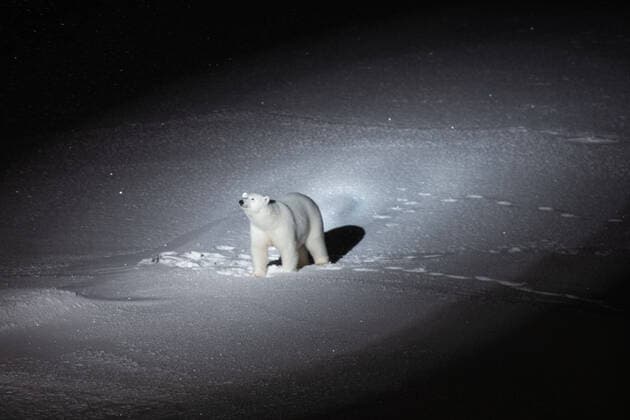
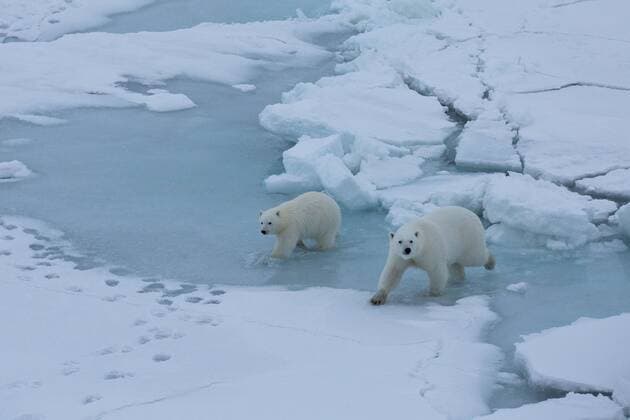
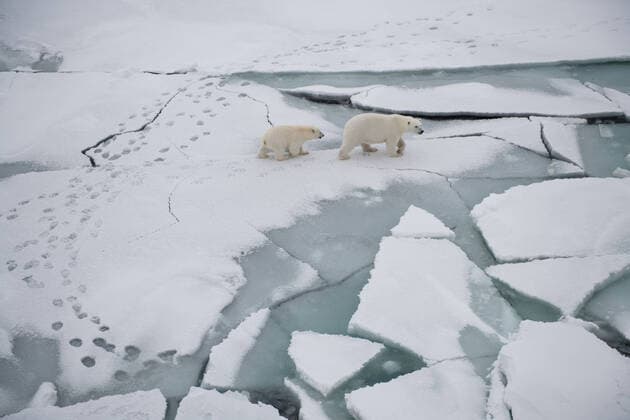
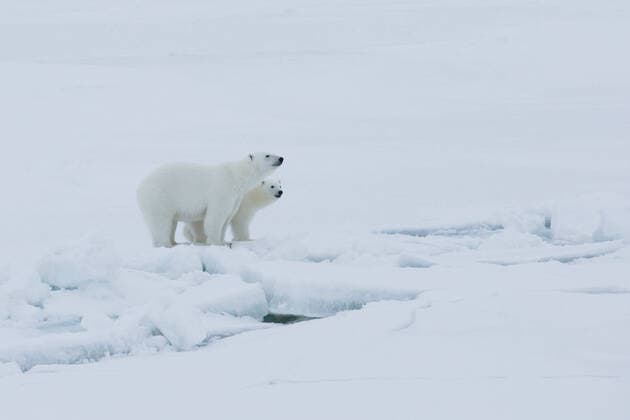
  • October 10, 2019, Arctic Sea, Arctic: Yesterday evening again two polar bears came close to our ship the Polarstern. Probably they were the same we saw already a couple of days before our arrival at the floe. Nobody was out on the ice when the bears appeared and there was no danger for the expedition s participants. The bears stayed several minutes around Polarstern and the ice camp. For our own safety and for the safety of the polar bears we don t want them to get used to being our neighbors. The expedition s lead and professional polar bear guards therefore chased them with a flare gun. The bears have not been injured and left the area immediately. This procedure agrees with the complex safety concept of the MOSAiC expedition. Arctic Sea Arctic - ZUMAz03_ 20191010_arc_z03_039 Copyright: xEstherxHorvathx
  • October 4, 2019, Arctic Sea, Arctic: Polar bear mother and cub get close research vessel Polarstern. MOSAiC is the largest polar expedition in history: in September 2019, the German research icebreaker Polarstern has set sail from Tromso, Norway, to spend a year drifting through the Arctic Ocean, trapped in ice. The goal of the MOSAiC expedition is to take the closest look ever at the Arctic as the epicenter of global warming and to gain fundamental insights that are key to better understand global climate change. Hundreds of researchers from 20 countries are involved in this exceptional endeavor. Following in the footsteps of Fridtjof Nansen s ground-breaking expedition with his wooden sailing ship Fram in 1893-1896, the MOSAiC expedition will bring a modern research icebreaker close to the north pole for a full year including for the fi - ZUMAz03_ 20191004_arc_z03_023 Copyright: xEstherxHorvathx
  • IMAGO Nature: Unsere Erde, Klimawandel, Arktische und Antarktische Eisschmelze October 4, 2019, Arctic Sea, Arctic: Polar bear mother and cub get close research vessel Polarstern. MOSAiC is the largest polar expedition in history: in September 2019, the German research icebreaker Polarstern has set sail from Tromso, Norway, to spend a year drifting through the Arctic Ocean, trapped in ice. The goal of the MOSAiC expedition is to take the closest look ever at the Arctic as the epicenter of global warming and to gain fundamental insights that are key to better understand global climate change. Hundreds of researchers from 20 countries are involved in this exceptional endeavor. Following in the footsteps of Fridtjof Nansen s ground-breaking expedition with his wooden sailing ship Fram in 1893-1896, the MOSAiC expedition will bring a modern research icebreaker close to the north pole for a full year including for the fi - ZUMAz03_ 20191004_arc_z03_020 Copyright: xEstherxHorvathx
  • October 3, 2019, Arctic Sea, Arctic: Polar bear mother and cub get close research vessel Polarstern and Akademik Fedorov. MOSAiC is the largest polar expedition in history: in September 2019, the German research icebreaker Polarstern has set sail from Tromso, Norway, to spend a year drifting through the Arctic Ocean, trapped in ice. The goal of the MOSAiC expedition is to take the closest look ever at the Arctic as the epicenter of global warming and to gain fundamental insights that are key to better understand global climate change. Hundreds of researchers from 20 countries are involved in this exceptional endeavor. Following in the footsteps of Fridtjof Nansen s ground-breaking expedition with his wooden sailing ship Fram in 1893-1896, the MOSAiC expedition will bring a modern research icebreaker close to the north pole for a full year - ZUMAz03_ 20191003_arc_z03_030 Copyright: xSebastianxGrotex