EditorialCreativeSportKollektionenVideos
Preise
0Anmelden

Visuelle Inhalte für Profis.
800 Mio.+ Bilder und Videos.

Content-Hub

  • Aktuelle Ereignisse
  • Bilder des Jahres
  • Sport
  • Editorial
  • Creative
  • Kollektionen
  • Videos

Angebote

  • Preise & Pakete
  • Aktionen
  • Enterprise
  • Newsletter
  • Blog
  • The Game Magazine

Services

  • Bildrecherche
  • Auftragsfotografie
  • API & FTP Push
  • my-picturemaxx
  • Partner werden

Unternehmen

  • Über IMAGO
  • Karriere
  • News

Hilfe-Center

  • FAQ
  • Kontakt
ImpressumNutzungsbedingungenLizenzinformationenDatenschutzDatenschutzeinstellungen
© 2026 IMAGO
CEPICBAPLABVPA
  1. Hundertster Weltraum-Ausstieg der Geschichte, Jahrestag am 14. Februar

Hundertster Weltraum-Ausstieg der Geschichte, Jahrestag am 14. Februar

14.02.2001

Die folgenden Fotos wurden von der IMAGO Bildredaktion zu diesem Thema für Sie ausgewählt. Für weitere Bilder nutzen Sie bitte die Suchfunktion.

Bilder in dieser Kollektion
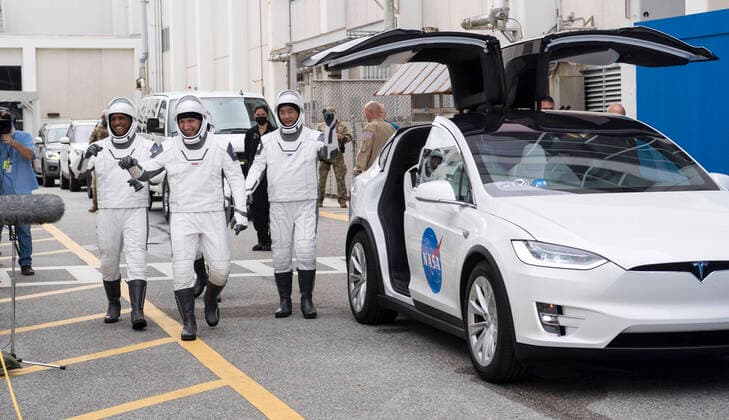
  • November 12, 2020, Cape Canaveral, FL, United States of America: The NASA SpaceX Commercial Crew astronauts walk out of the Neil A. Armstrong Operations and Checkout Building to depart for Launch Complex 39A during a dress rehearsal at the Kennedy Space Center November 12, 2020 in Cape Canaveral, Florida. Standing from left to right are: NASA astronauts Victor Glover, Mike Hopkins, and JAXA astronaut Soichi Noguchi. Cape Canaveral United States of America - ZUMAp138 20201112_zaa_p138_014 Copyright: xJoelxKowsky Nasax

    November 12, 2020, Cape Canaveral, FL, United States of America: The NASA SpaceX Commercial Crew astronauts walk out of the Neil A. Armstrong Operations and Checkout Building to depart for Launch Complex 39A during a dress rehearsal at the Kennedy Space Center November 12, 2020 in Cape Canaveral, Florida. Standing from left to right are: NASA astronauts Victor Glover, Mike Hopkins, and JAXA astronaut Soichi Noguchi. Cape Canaveral United States of America - ZUMAp138 20201112_zaa_p138_014 Copyright: xJoelxKowsky Nasax

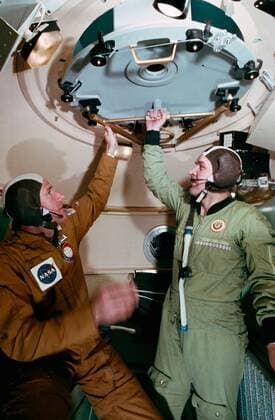
  • PICTURE SHOWS: (25 Feb. 1975) -- An interior view of the Soyuz orbital module mock-up in Building 35 during Apollo-Soyuz Test Project joint crew training at NASA s Johnson Space Center. The ASTP crewmen are astronaut Vance D. Brand (on left), command module pilot of the American ASTP prime crew; and cosmonaut Valeriy N. Kubasov, engineer on the Soviet ASTP first (prime) crew. The training session simulated activities on the second day in Earth orbit. ... STORY COPY: ANNIVERSARY (17 July 1975): Cold War Rivals Met in Space On July 17, 1975, something momentous happened: two Cold War-rivals met in space. When their respective spacecraft rendezvoused and docked, a new era of cooperative ventures in space began. For more than a decade, A Copyright: xx 40719941 EDITORIAL USE ONLY. NOT FOR USE BY NEWSPAPERS BASED IN THE UK.

    PICTURE SHOWS: (25 Feb. 1975) -- An interior view of the Soyuz orbital module mock-up in Building 35 during Apollo-Soyuz Test Project joint crew training at NASA s Johnson Space Center. The ASTP crewmen are astronaut Vance D. Brand (on left), command module pilot of the American ASTP prime crew; and cosmonaut Valeriy N. Kubasov, engineer on the Soviet ASTP first (prime) crew. The training session simulated activities on the second day in Earth orbit. ... STORY COPY: ANNIVERSARY (17 July 1975): Cold War Rivals Met in Space On July 17, 1975, something momentous happened: two Cold War-rivals met in space. When their respective spacecraft rendezvoused and docked, a new era of cooperative ventures in space began. For more than a decade, A Copyright: xx 40719941 EDITORIAL USE ONLY. NOT FOR USE BY NEWSPAPERS BASED IN THE UK.

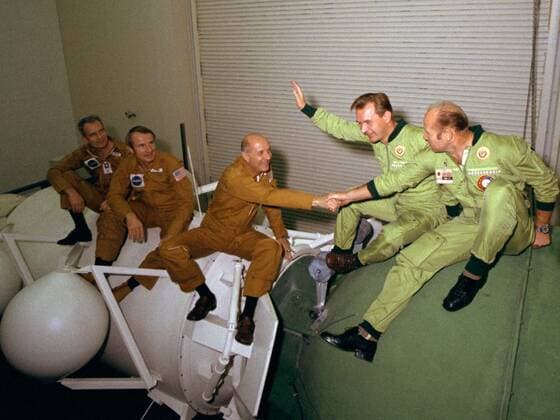
  • PICTURE SHOWS: The astronauts and cosmonauts sit atop mock-ups at NASA s Johnson Space Center in Houston. At left, the three Americans (left to right, Slayton, Brand and Stafford) are seated on a mock-up of the docking module designed to link the Apollo and Soyuz spacecraft. The two Soviets (Kubasov, left, and Leonov) are atop a mock-up of a Soyuz spacecraft. ... STORY COPY: ANNIVERSARY (17 July 1975): Cold War Rivals Met in Space On July 17, 1975, something momentous happened: two Cold War-rivals met in space. When their respective spacecraft rendezvoused and docked, a new era of cooperative ventures in space began. For more than a decade, American astronauts and Russian cosmonauts have been regularly living and working together in Copyright: xx 40719939 EDITORIAL USE ONLY. NOT FOR USE BY NEWSPAPERS BASED IN THE UK.

    PICTURE SHOWS: The astronauts and cosmonauts sit atop mock-ups at NASA s Johnson Space Center in Houston. At left, the three Americans (left to right, Slayton, Brand and Stafford) are seated on a mock-up of the docking module designed to link the Apollo and Soyuz spacecraft. The two Soviets (Kubasov, left, and Leonov) are atop a mock-up of a Soyuz spacecraft. ... STORY COPY: ANNIVERSARY (17 July 1975): Cold War Rivals Met in Space On July 17, 1975, something momentous happened: two Cold War-rivals met in space. When their respective spacecraft rendezvoused and docked, a new era of cooperative ventures in space began. For more than a decade, American astronauts and Russian cosmonauts have been regularly living and working together in Copyright: xx 40719939 EDITORIAL USE ONLY. NOT FOR USE BY NEWSPAPERS BASED IN THE UK.

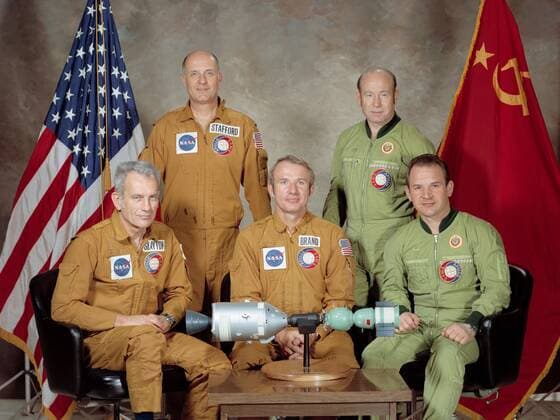
  • PICTURE SHOWS: The joint U.S.-USSR crew for the Apollo Soyuz Test Project in a group portrait. ... STORY COPY: ANNIVERSARY (17 July 1975): Cold War Rivals Met in Space On July 17, 1975, something momentous happened: two Cold War-rivals met in space. When their respective spacecraft rendezvoused and docked, a new era of cooperative ventures in space began. For more than a decade, American astronauts and Russian cosmonauts have been regularly living and working together in Earth orbit, first in the Shuttle-Mir program, and now on the International Space Station. But, before the two Cold War-rivals first met in orbit in 1975, such a partnership seemed unlikely. Since Sputnik bleeped into orbit in 1957, there had been a Space Race, with Copyright: xx 40719937 EDITORIAL USE ONLY. NOT FOR USE BY NEWSPAPERS BASED IN THE UK.
    PICTURE SHOWS: The joint U.S.-USSR crew for the Apollo Soyuz Test Project in a group portrait. ... STORY COPY: ANNIVERSARY (17 July 1975): Cold War Rivals Met in Space On July 17, 1975, something momentous happened: two Cold War-rivals met in space. When their respective spacecraft rendezvoused and docked, a new era of cooperative ventures in space began. For more than a decade, American astronauts and Russian cosmonauts have been regularly living and working together in Earth orbit, first in the Shuttle-Mir program, and now on the International Space Station. But, before the two Cold War-rivals first met in orbit in 1975, such a partnership seemed unlikely. Since Sputnik bleeped into orbit in 1957, there had been a Space Race, with Copyright: xx 40719937 EDITORIAL USE ONLY. NOT FOR USE BY NEWSPAPERS BASED IN THE UK.

  • July 1, 2020, Mars Surface: Hitching a ride on the Mars Pathfinder mission, the Sojourner rover arrived at the Red Planet on July 4, 1997. The mission was designed to demonstrate a low-cost method for delivering a set of science instruments to Mars, and served as the foundation for the Mars rovers of today. Pathfinder landed the rover using an air bag landing system and innovative petal design, which have been used since in various incarnations to land other rovers on the Red Planet. Sojourner spent 83 days of a planned seven-day mission exploring the Martian terrain, snapping photographs and taking chemical, atmospheric and other measurements. Mars Surface - ZUMAz03_ 20200701_sha_z03_573 Copyright: xNASAx

    July 1, 2020, Mars Surface: Hitching a ride on the Mars Pathfinder mission, the Sojourner rover arrived at the Red Planet on July 4, 1997. The mission was designed to demonstrate a low-cost method for delivering a set of science instruments to Mars, and served as the foundation for the Mars rovers of today. Pathfinder landed the rover using an air bag landing system and innovative petal design, which have been used since in various incarnations to land other rovers on the Red Planet. Sojourner spent 83 days of a planned seven-day mission exploring the Martian terrain, snapping photographs and taking chemical, atmospheric and other measurements. Mars Surface - ZUMAz03_ 20200701_sha_z03_573 Copyright: xNASAx

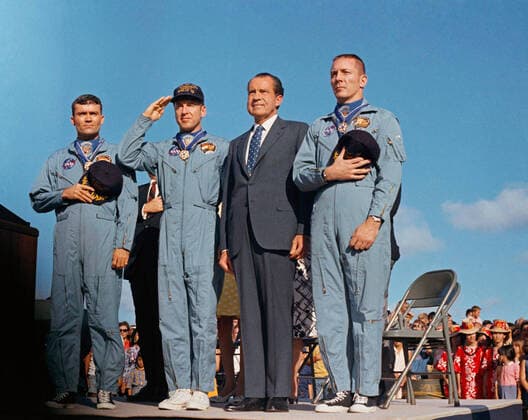
  • President Richard M. Nixon and the Apollo 13 crew salute the U.S. flag during the post-mission ceremonies at Hickam Air Force Base, Hawaii. Earlier, astronauts John Swigert, Jim Lovell, and Fred W. Haise were presented the Presidential Medal of Freedom by the Chief Executive. Apollo 13, launched on April 11, 1970, was NASA s third crewed mission to the moon. Two days later, on April 13, while en route to the lunar surface, a fault in the electrical system of one of the Service Module s oxygen tanks produced an explosion that caused both oxygen tanks to fail and also led to a loss of electrical power. With the mission aborted, a dedicated team in the Apollo Mission Control Center devoted their efforts to developing a plan to shelter the crew in the lunar module as a lifeboat and retain sufficient resources to bring the spacecraft and its  WAX2020041303 NASA

    President Richard M. Nixon and the Apollo 13 crew salute the U.S. flag during the post-mission ceremonies at Hickam Air Force Base, Hawaii. Earlier, astronauts John Swigert, Jim Lovell, and Fred W. Haise were presented the Presidential Medal of Freedom by the Chief Executive. Apollo 13, launched on April 11, 1970, was NASA s third crewed mission to the moon. Two days later, on April 13, while en route to the lunar surface, a fault in the electrical system of one of the Service Module s oxygen tanks produced an explosion that caused both oxygen tanks to fail and also led to a loss of electrical power. With the mission aborted, a dedicated team in the Apollo Mission Control Center devoted their efforts to developing a plan to shelter the crew in the lunar module as a lifeboat and retain sufficient resources to bring the spacecraft and its WAX2020041303 NASA

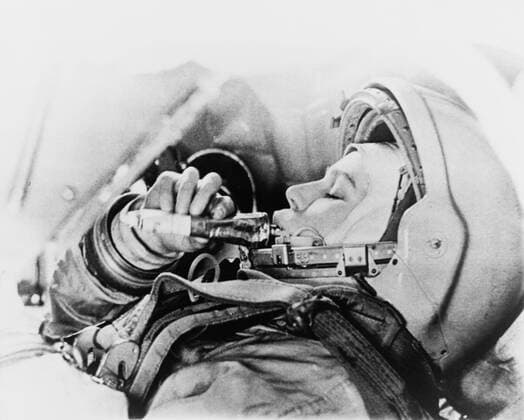
  • Valentina Vladimirovna (b.1937) Russian cosmonaut and the first woman in space eating from a food tube during training. Courtesy Everett Collection PUBLICATIONXNOTxINxCANxCHNxFRAxITAxJPNxNORxPOLxRUSxESPxUKxUSA Copyright: xCourtesyxEverettxCollectionx HISL011 EC027

    Valentina Vladimirovna (b.1937) Russian cosmonaut and the first woman in space eating from a food tube during training. Courtesy Everett Collection PUBLICATIONXNOTxINxCANxCHNxFRAxITAxJPNxNORxPOLxRUSxESPxUKxUSA Copyright: xCourtesyxEverettxCollectionx HISL011 EC027

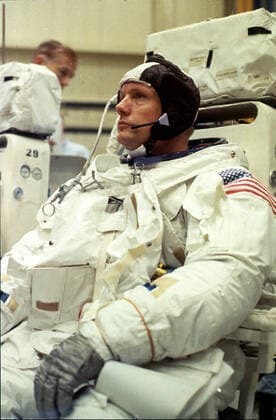
  • Premier pas sur la lune L astronaute americain Neil ARMSTRONG (ne en 1930) avant son depart pour la lune, en Juillet 1969. Credit : Collection NASA KHARBINE-TAPABOR.

    Premier pas sur la lune L astronaute americain Neil ARMSTRONG (ne en 1930) avant son depart pour la lune, en Juillet 1969. Credit : Collection NASA KHARBINE-TAPABOR.

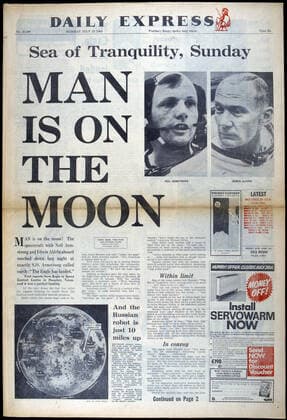
  • Lune Man is on the moon , l homme est sur la lune, en couverture du Daily Express de juillet 1969. Credit : Collection KHARBINE-TAPABOR.

    Lune Man is on the moon , l homme est sur la lune, en couverture du Daily Express de juillet 1969. Credit : Collection KHARBINE-TAPABOR.

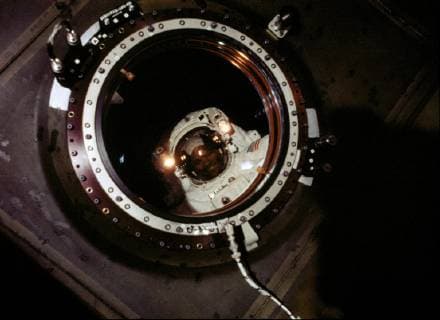
  • February 7, 2001 - Space - Astronaut Robert L. Curbeam, Jr., STS-98 mission specialist, was photographed during the second of three spacewalks by a member of the Expedition 1 crew in the newly installed Destiny laboratory. Space - ZUMAz03_ 20010207_sha_z03_737 Copyright: xNASAx

    February 7, 2001 - Space - Astronaut Robert L. Curbeam, Jr., STS-98 mission specialist, was photographed during the second of three spacewalks by a member of the Expedition 1 crew in the newly installed Destiny laboratory. Space - ZUMAz03_ 20010207_sha_z03_737 Copyright: xNASAx

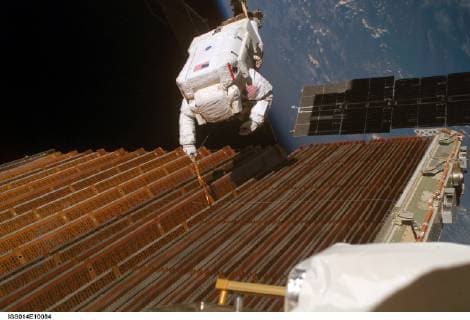
  • February 12, 2019 - Space - File - Robert Curbeam currently holds the record for the most spacewalks during a single spaceflight. In this image from December 2006, Curbeam works on the port overhead solar array wing on the International Space Station s P6 truss during Space Shuttle Discovery s STS-116 mission. This was the mission s fourth spacewalk. Curbeam conducted this spacewalk with European Space Agency astronaut Christer Fuglesang (out of frame), using specially prepared, tape-insulated tools, to guide the array wing neatly inside its blanket box during the 6-hour, 38-minute spacewalk. Space - ZUMAz03_ 20190212_sha_z03_755 Copyright: xNASAx

    February 12, 2019 - Space - File - Robert Curbeam currently holds the record for the most spacewalks during a single spaceflight. In this image from December 2006, Curbeam works on the port overhead solar array wing on the International Space Station s P6 truss during Space Shuttle Discovery s STS-116 mission. This was the mission s fourth spacewalk. Curbeam conducted this spacewalk with European Space Agency astronaut Christer Fuglesang (out of frame), using specially prepared, tape-insulated tools, to guide the array wing neatly inside its blanket box during the 6-hour, 38-minute spacewalk. Space - ZUMAz03_ 20190212_sha_z03_755 Copyright: xNASAx

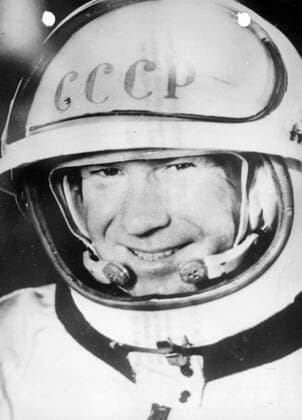
  • - Five years ago, the 18 03 1965, in the flight Voskhod II , the sovietic cosmonaut Alexei Leonov went outside his capsule and walked in space. The picture is a portrait of Alexei Leonov. ARCHIVES  x34475976x

    - Five years ago, the 18 03 1965, in the flight Voskhod II , the sovietic cosmonaut Alexei Leonov went outside his capsule and walked in space. The picture is a portrait of Alexei Leonov. ARCHIVES x34475976x

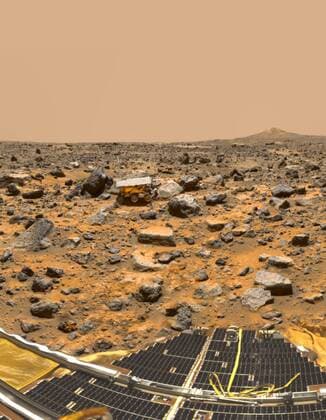
  • November 4, 1997 - This is a geometrically improved, color enhanced version of the 360-degree panorama heretofore known as the Gallery Pan, the first contiguous, uniform panorama taken by the Imager for Mars Pathfinder (IMP) over the course of Sols 8, 9, and 10. Different regions were imaged at different times over the three Martian days to acquire consistent lighting and shadow conditions for all areas of the panorama. At left is a Lander petal and a metallic mast which is a portion of the low-gain antenna. Misregistration in the antenna and other Lander features is due to parallax in the extreme foreground. On the horizon the double Twin Peaks are visible, about 1-2 kilometers away. The rock Couch is the dark, curved rock at right of Twin Peaks. Another Lander petal is at left-center, showing the fully deployed forward ramp at far left, and rear ramp at right, which rover Sojourner us  Copyright: StocktrekxImages stk202209s

    November 4, 1997 - This is a geometrically improved, color enhanced version of the 360-degree panorama heretofore known as the Gallery Pan, the first contiguous, uniform panorama taken by the Imager for Mars Pathfinder (IMP) over the course of Sols 8, 9, and 10. Different regions were imaged at different times over the three Martian days to acquire consistent lighting and shadow conditions for all areas of the panorama. At left is a Lander petal and a metallic mast which is a portion of the low-gain antenna. Misregistration in the antenna and other Lander features is due to parallax in the extreme foreground. On the horizon the double Twin Peaks are visible, about 1-2 kilometers away. The rock Couch is the dark, curved rock at right of Twin Peaks. Another Lander petal is at left-center, showing the fully deployed forward ramp at far left, and rear ramp at right, which rover Sojourner us Copyright: StocktrekxImages stk202209s
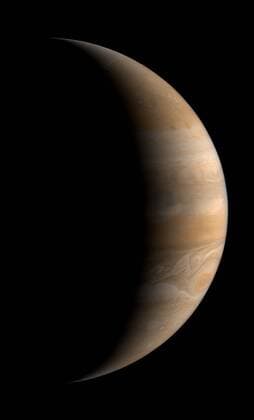
  • This crescent view of Jupiter was taken by Voyager 1 on March 24, 1979. WHA  !ACHTUNG AUFNAHMEDATUM GESCHÄTZT! Copyright: WHA UnitedArchivesWHA_909TH

    This crescent view of Jupiter was taken by Voyager 1 on March 24, 1979. WHA !ACHTUNG AUFNAHMEDATUM GESCHÄTZT! Copyright: WHA UnitedArchivesWHA_909TH

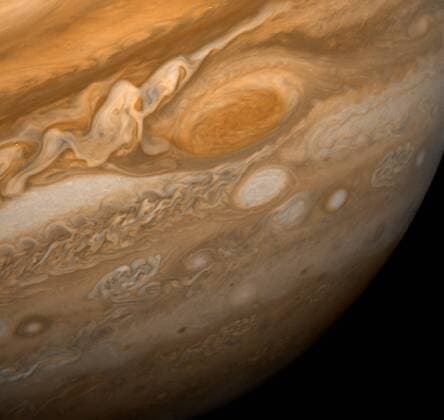
  • This dramatic view of Jupiter s Great Red Spot and its surroundings was obtained by Voyager 1 on Feb. 25, 1979. WHA  !ACHTUNG AUFNAHMEDATUM GESCHÄTZT! Copyright: WHA UnitedArchivesWHA_832TH

    This dramatic view of Jupiter s Great Red Spot and its surroundings was obtained by Voyager 1 on Feb. 25, 1979. WHA !ACHTUNG AUFNAHMEDATUM GESCHÄTZT! Copyright: WHA UnitedArchivesWHA_832TH

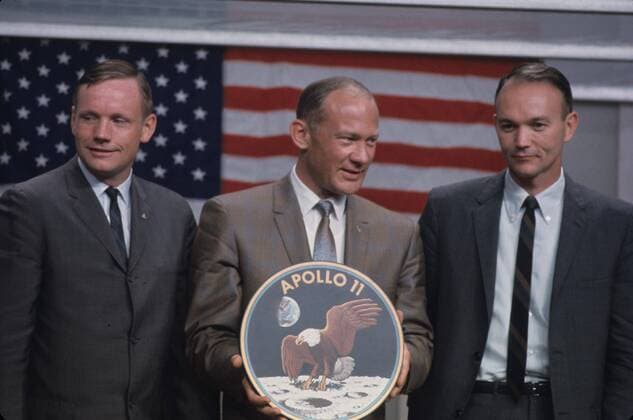
  • NEIL ARMSTRONG with Buzz Aldrin and Michael Collins.Apollo II.r9692. - ZUMAg49_

    NEIL ARMSTRONG with Buzz Aldrin and Michael Collins.Apollo II.r9692. - ZUMAg49_

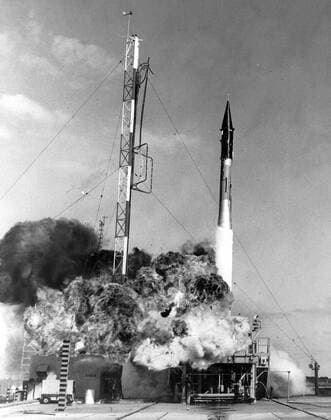
  • The Vanguard 3-stage rocket, carrying America s first Sputnik bound for outer space, is counted down... and out! Something went wrong, and this huge explosion was the result of months of experiments and trials. American hopes exploded sky-high at the failure of the first attempt. 9th December 1957  UnitedArchives01021971

    The Vanguard 3-stage rocket, carrying America s first Sputnik bound for outer space, is counted down... and out! Something went wrong, and this huge explosion was the result of months of experiments and trials. American hopes exploded sky-high at the failure of the first attempt. 9th December 1957 UnitedArchives01021971

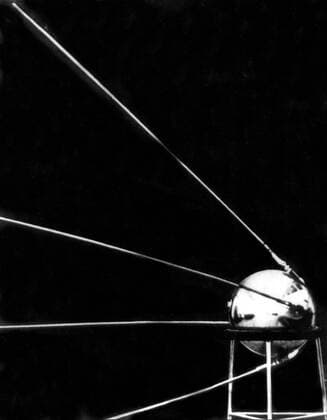
  • IMAGO History, Sowjetunion startet Sputnik, den ersten von Menschen gebauten Satelliten: 1957 1957 Russian satellite Sputnik I UnitedArchives00161377

    IMAGO History, Sowjetunion startet Sputnik, den ersten von Menschen gebauten Satelliten: 1957 1957 Russian satellite Sputnik I UnitedArchives00161377

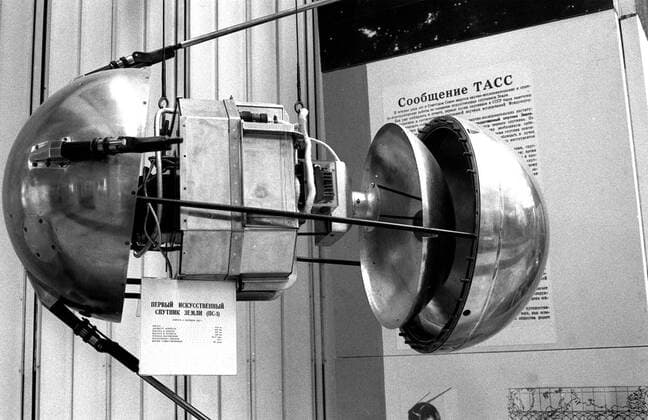
  • Pictured is a model of the first ever artificial satellite - Sputnik - It was launched 40 years ago, in the year 1957, Oct. 4th.  TASS_99164

    Pictured is a model of the first ever artificial satellite - Sputnik - It was launched 40 years ago, in the year 1957, Oct. 4th. TASS_99164

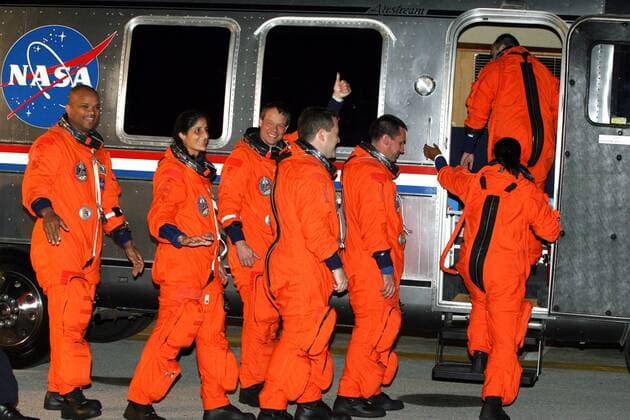
  • Mitglieder der Besatzung vor dem Start des Space Shuttle Discovery - v.l.n.r.: Robert Curbeam, Suni Wiliams, Christer Fuglesang, Nikolaus Patrick, und Bill Oefelein

    Mitglieder der Besatzung vor dem Start des Space Shuttle Discovery - v.l.n.r.: Robert Curbeam, Suni Wiliams, Christer Fuglesang, Nikolaus Patrick, und Bill Oefelein

Kollektionen