EditorialCreativeSportKollektionenVideos
Preise
0Anmelden

Visuelle Inhalte für Profis.
800 Mio.+ Bilder und Videos.

Content-Hub

  • Aktuelle Ereignisse
  • Bilder des Jahres
  • Sport
  • Editorial
  • Creative
  • Kollektionen
  • Videos

Angebote

  • Preise & Pakete
  • Aktionen
  • Enterprise
  • Newsletter
  • Blog
  • The Game Magazine

Services

  • Bildrecherche
  • Auftragsfotografie
  • API & FTP Push
  • my-picturemaxx
  • Partner werden

Unternehmen

  • Über IMAGO
  • Karriere
  • News

Hilfe-Center

  • FAQ
  • Kontakt
ImpressumNutzungsbedingungenLizenzinformationenDatenschutzDatenschutzeinstellungen
© 2026 IMAGO
CEPICBAPLABVPA
  1. Mexiko, Auswilderung von Axolotl

Mexiko, Auswilderung von Axolotl

16.02.2022

Die folgenden Fotos wurden von der IMAGO Bildredaktion zu diesem Thema für Sie ausgewählt. Für weitere Bilder nutzen Sie bitte die Suchfunktion.

Bilder in dieser Kollektion

  • Mexiko, Auswilderung von Axolotl Release Of Ajolotes In Xochimilco, Mexico City From left to right, Mayor of Milpa Alta, Judith Vanegas; Tlahuac, Berenice Hernandez, and Iztapalapa, Clara Brugada; during the release of salamanders at the Centro Ecoturistico Chinampero Michmani Xochimilco, Mexico City. The Mexican axolotl or ajolote, Ambystoma mexicanum, is a salamander with the unusual characteristic of retaining its larval features as an adult. This condition, known as neoteny, means that it retains its tadpole-like dorsal fin - which runs almost the entire length of its body - and its external gills, which protrude from the back of its broad, feathery head. Mexico City Mexico City Mexico  Copyright: xGerardoxVieyrax originalFilename: vieyra-notitle220216_npj2P.jpg

    Mexiko, Auswilderung von Axolotl Release Of Ajolotes In Xochimilco, Mexico City From left to right, Mayor of Milpa Alta, Judith Vanegas; Tlahuac, Berenice Hernandez, and Iztapalapa, Clara Brugada; during the release of salamanders at the Centro Ecoturistico Chinampero Michmani Xochimilco, Mexico City. The Mexican axolotl or ajolote, Ambystoma mexicanum, is a salamander with the unusual characteristic of retaining its larval features as an adult. This condition, known as neoteny, means that it retains its tadpole-like dorsal fin - which runs almost the entire length of its body - and its external gills, which protrude from the back of its broad, feathery head. Mexico City Mexico City Mexico Copyright: xGerardoxVieyrax originalFilename: vieyra-notitle220216_npj2P.jpg

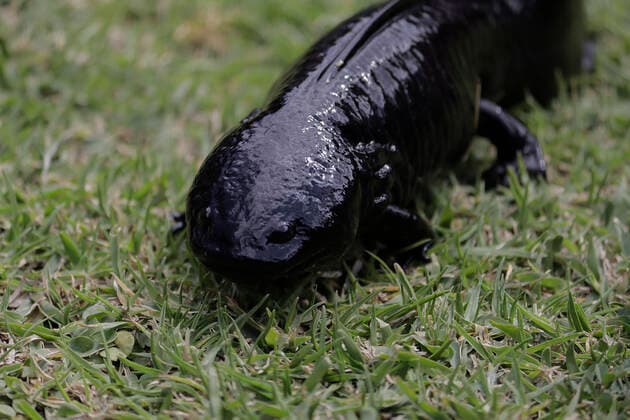
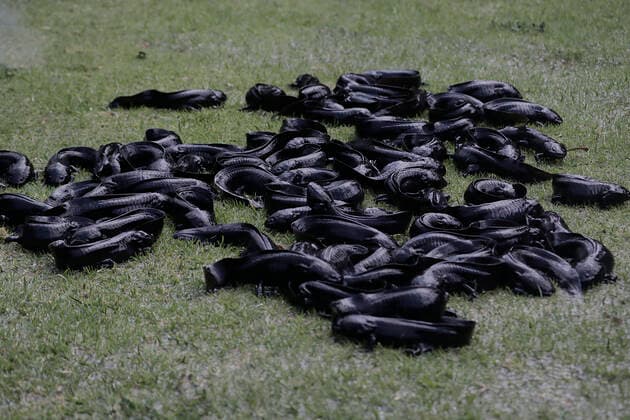
  • Mexiko, Auswilderung von Axolotl Release Of Ajolotes In Xochimilco, Mexico City A salamander release at the Centro Ecoturistico Chinampero Michmani located on a chinampa in Xochimilco, Mexico City. The Mexican axolotl or ajolote, Ambystoma mexicanum, is a salamander with the unusual characteristic of retaining its larval features as an adult. This condition, known as neoteny, means that it retains its tadpole-like dorsal fin - which runs almost the entire length of its body - and its external gills, which protrude from the back of its broad, feathery head. Mexico City Mexico City Mexico  Copyright: xGerardoxVieyrax originalFilename: vieyra-notitle220216_npR1h.jpg

    Mexiko, Auswilderung von Axolotl Release Of Ajolotes In Xochimilco, Mexico City A salamander release at the Centro Ecoturistico Chinampero Michmani located on a chinampa in Xochimilco, Mexico City. The Mexican axolotl or ajolote, Ambystoma mexicanum, is a salamander with the unusual characteristic of retaining its larval features as an adult. This condition, known as neoteny, means that it retains its tadpole-like dorsal fin - which runs almost the entire length of its body - and its external gills, which protrude from the back of its broad, feathery head. Mexico City Mexico City Mexico Copyright: xGerardoxVieyrax originalFilename: vieyra-notitle220216_npR1h.jpg

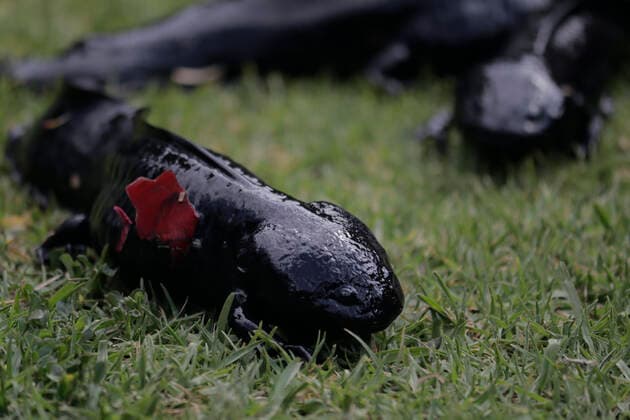
  • Mexiko, Auswilderung von Axolotl Release Of Ajolotes In Xochimilco, Mexico City A salamander release at the Centro Ecoturistico Chinampero Michmani located on a chinampa in Xochimilco, Mexico City. The Mexican axolotl or ajolote, Ambystoma mexicanum, is a salamander with the unusual characteristic of retaining its larval features as an adult. This condition, known as neoteny, means that it retains its tadpole-like dorsal fin - which runs almost the entire length of its body - and its external gills, which protrude from the back of its broad, feathery head. Mexico City Mexico City Mexico  Copyright: xGerardoxVieyrax originalFilename: vieyra-notitle220216_npk4u.jpg

    Mexiko, Auswilderung von Axolotl Release Of Ajolotes In Xochimilco, Mexico City A salamander release at the Centro Ecoturistico Chinampero Michmani located on a chinampa in Xochimilco, Mexico City. The Mexican axolotl or ajolote, Ambystoma mexicanum, is a salamander with the unusual characteristic of retaining its larval features as an adult. This condition, known as neoteny, means that it retains its tadpole-like dorsal fin - which runs almost the entire length of its body - and its external gills, which protrude from the back of its broad, feathery head. Mexico City Mexico City Mexico Copyright: xGerardoxVieyrax originalFilename: vieyra-notitle220216_npk4u.jpg

  • Mexiko, Auswilderung von Axolotl Release Of Ajolotes In Xochimilco, Mexico City A salamander release at the Centro Ecoturistico Chinampero Michmani located on a chinampa in Xochimilco, Mexico City. The Mexican axolotl or ajolote, Ambystoma mexicanum, is a salamander with the unusual characteristic of retaining its larval features as an adult. This condition, known as neoteny, means that it retains its tadpole-like dorsal fin - which runs almost the entire length of its body - and its external gills, which protrude from the back of its broad, feathery head. Mexico City Mexico City Mexico  Copyright: xGerardoxVieyrax originalFilename: vieyra-notitle220216_npimj.jpg

    Mexiko, Auswilderung von Axolotl Release Of Ajolotes In Xochimilco, Mexico City A salamander release at the Centro Ecoturistico Chinampero Michmani located on a chinampa in Xochimilco, Mexico City. The Mexican axolotl or ajolote, Ambystoma mexicanum, is a salamander with the unusual characteristic of retaining its larval features as an adult. This condition, known as neoteny, means that it retains its tadpole-like dorsal fin - which runs almost the entire length of its body - and its external gills, which protrude from the back of its broad, feathery head. Mexico City Mexico City Mexico Copyright: xGerardoxVieyrax originalFilename: vieyra-notitle220216_npimj.jpg

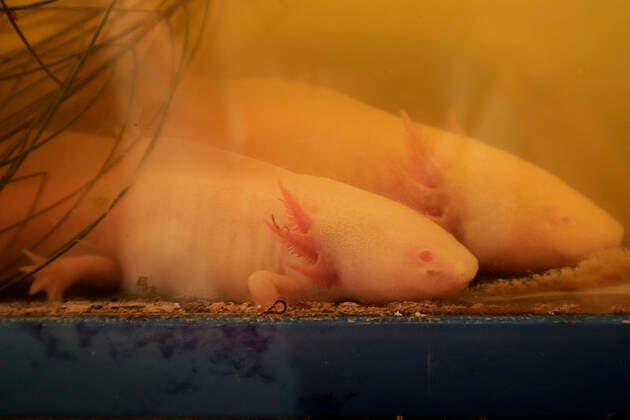
  • Mexiko, Auswilderung von Axolotl Release Of Ajolotes In Xochimilco, Mexico City View of salamanders inside a fish tank at the Centro Ecoturistico Chinampero Michmani in Xochimilco, Mexico City. The Mexican axolotl or ajolote, Ambystoma mexicanum, is a salamander with the unusual characteristic of retaining its larval features as an adult. This condition, known as neoteny, means that it retains its tadpole-like dorsal fin - which runs almost the entire length of its body - and its external gills, which protrude from the back of its broad, feathery head. Mexico City Mexico City Mexico  Copyright: xGerardoxVieyrax originalFilename: vieyra-notitle220216_npknL.jpg

    Mexiko, Auswilderung von Axolotl Release Of Ajolotes In Xochimilco, Mexico City View of salamanders inside a fish tank at the Centro Ecoturistico Chinampero Michmani in Xochimilco, Mexico City. The Mexican axolotl or ajolote, Ambystoma mexicanum, is a salamander with the unusual characteristic of retaining its larval features as an adult. This condition, known as neoteny, means that it retains its tadpole-like dorsal fin - which runs almost the entire length of its body - and its external gills, which protrude from the back of its broad, feathery head. Mexico City Mexico City Mexico Copyright: xGerardoxVieyrax originalFilename: vieyra-notitle220216_npknL.jpg

  • Mexiko, Auswilderung von Axolotl Release Of Ajolotes In Xochimilco, Mexico City A salamander release at the Centro Ecoturistico Chinampero Michmani located on a chinampa in Xochimilco, Mexico City. The Mexican axolotl or ajolote, Ambystoma mexicanum, is a salamander with the unusual characteristic of retaining its larval features as an adult. This condition, known as neoteny, means that it retains its tadpole-like dorsal fin - which runs almost the entire length of its body - and its external gills, which protrude from the back of its broad, feathery head. Mexico City Mexico City Mexico  Copyright: xGerardoxVieyrax originalFilename: vieyra-notitle220216_npJYW.jpg

    Mexiko, Auswilderung von Axolotl Release Of Ajolotes In Xochimilco, Mexico City A salamander release at the Centro Ecoturistico Chinampero Michmani located on a chinampa in Xochimilco, Mexico City. The Mexican axolotl or ajolote, Ambystoma mexicanum, is a salamander with the unusual characteristic of retaining its larval features as an adult. This condition, known as neoteny, means that it retains its tadpole-like dorsal fin - which runs almost the entire length of its body - and its external gills, which protrude from the back of its broad, feathery head. Mexico City Mexico City Mexico Copyright: xGerardoxVieyrax originalFilename: vieyra-notitle220216_npJYW.jpg

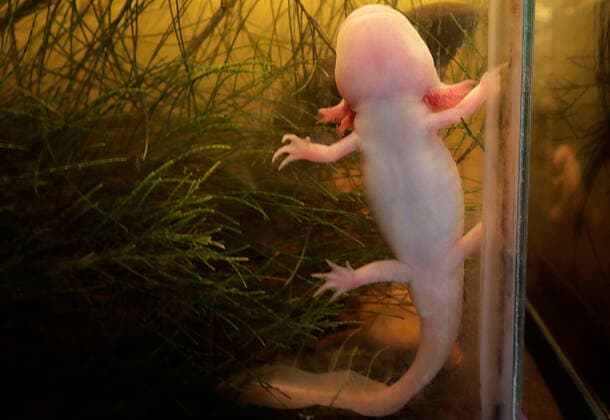
  • Mexiko, Auswilderung von Axolotl Release Of Ajolotes In Xochimilco, Mexico City View of salamanders inside a fish tank at the Centro Ecoturistico Chinampero Michmani in Xochimilco, Mexico City. The Mexican axolotl or ajolote, Ambystoma mexicanum, is a salamander with the unusual characteristic of retaining its larval features as an adult. This condition, known as neoteny, means that it retains its tadpole-like dorsal fin - which runs almost the entire length of its body - and its external gills, which protrude from the back of its broad, feathery head. Mexico City Mexico City Mexico  Copyright: xGerardoxVieyrax originalFilename: vieyra-notitle220216_nphxe.jpg

    Mexiko, Auswilderung von Axolotl Release Of Ajolotes In Xochimilco, Mexico City View of salamanders inside a fish tank at the Centro Ecoturistico Chinampero Michmani in Xochimilco, Mexico City. The Mexican axolotl or ajolote, Ambystoma mexicanum, is a salamander with the unusual characteristic of retaining its larval features as an adult. This condition, known as neoteny, means that it retains its tadpole-like dorsal fin - which runs almost the entire length of its body - and its external gills, which protrude from the back of its broad, feathery head. Mexico City Mexico City Mexico Copyright: xGerardoxVieyrax originalFilename: vieyra-notitle220216_nphxe.jpg

Kollektionen