EditorialCreativeSportKollektionenVideos
Preise
0Anmelden

Visuelle Inhalte für Profis.
800 Mio.+ Bilder und Videos.

Content-Hub

  • Aktuelle Ereignisse
  • Bilder des Jahres
  • Sport
  • Editorial
  • Creative
  • Kollektionen
  • Videos

Angebote

  • Preise & Pakete
  • Aktionen
  • Enterprise
  • Newsletter
  • Blog
  • The Game Magazine

Services

  • Bildrecherche
  • Auftragsfotografie
  • API & FTP Push
  • my-picturemaxx
  • Partner werden

Unternehmen

  • Über IMAGO
  • Karriere
  • News

Hilfe-Center

  • FAQ
  • Kontakt
ImpressumNutzungsbedingungenLizenzinformationenDatenschutzDatenschutzeinstellungen
© 2026 IMAGO
CEPICBAPLABVPA
Zurück zu den Kollektionen

IMAGO History, 250 Jahre USA, Bürgerrechtsbewegung, 1954-1968

06.07.2023

Die folgenden Fotos wurden von der IMAGO Bildredaktion zu diesem Thema für Sie ausgewählt. Für weitere Bilder nutzen Sie bitte die Suchfunktion.
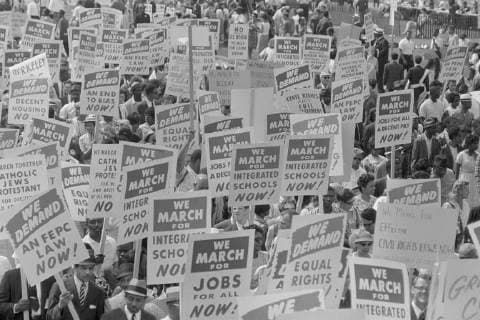
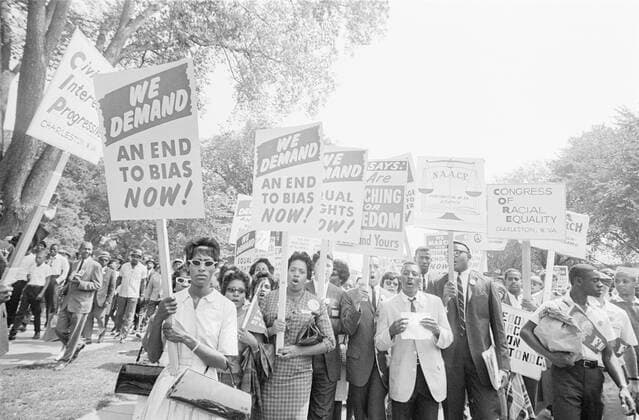
  • IMAGO History, U.S. Bürgerrechtsbewegung: 1954-1968 August 28 1963 Marchers with signs at the March on Washington during the civil rights movement  Copyright: StocktrekxImages STK501187A
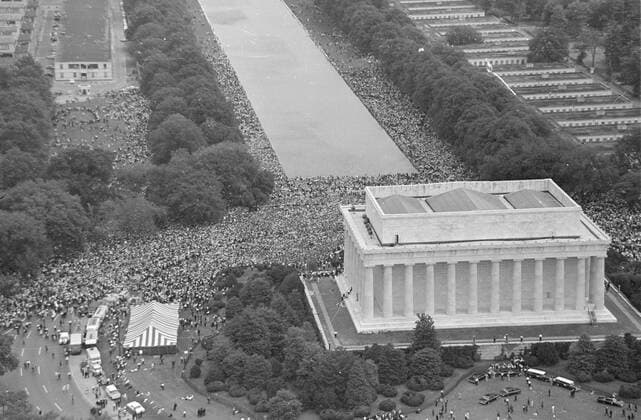
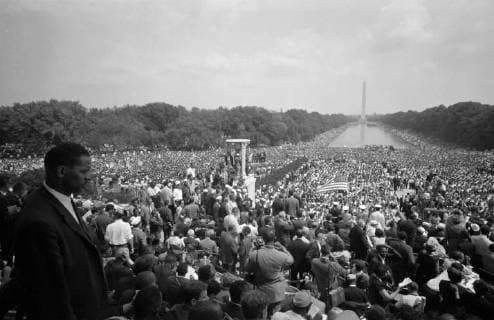
  • IMAGO History, U.S. Bürgerrechtsbewegung: 1954-1968 August 28 1963 View of the huge crowd from the Lincoln Memorial to the Washington Monument during the March on Washington  Copyright: StocktrekxImages STK501164A
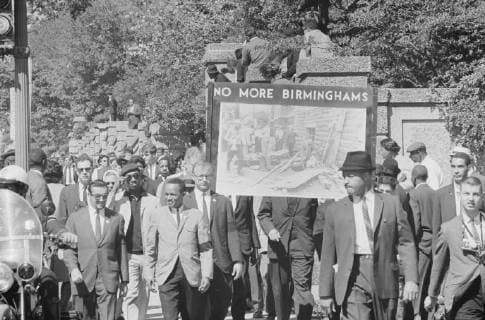
  • IMAGO History, U.S. Bürgerrechtsbewegung: 1954-1968 September 22 1963 Congress of Racial Equality conducts march in memory of Negro youngsters killed in Birmingham bombings All Souls Church 16th Street Washington D C  Copyright: StocktrekxImages STK501158A
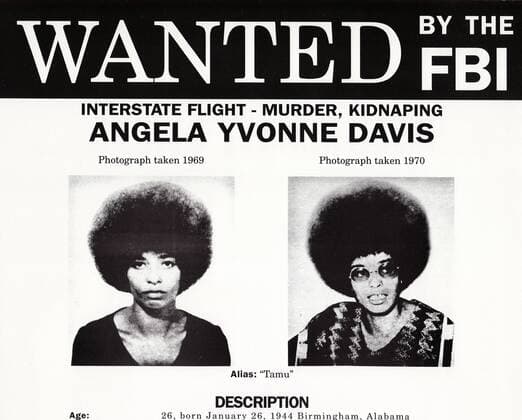
  • IMAGO History, U.S. Bürgerrechtsbewegung: 1954-1968 FBI Wanted poster for Angela Davis. Angela Yvonne Davis (born January 26, 1944) is an American political activist, scholar, and author. She emerged as a prominent counterculture activist and radical in the 1960s as a leader of the Communist Party USA, and had close relations with the Black Panther Party through her involvement in the Civil Rights Movement, although she was never a party member. WHA  !ACHTUNG AUFNAHMEDATUM GESCHÄTZT! Copyright: WHA UnitedArchivesWHA_067_0972
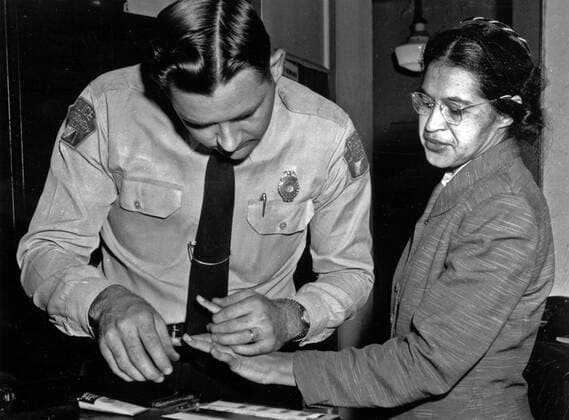
  • IMAGO History, U.S. Bürgerrechtsbewegung: 1954-1968 Rosa Parks is fingerprinted by police Lt. D.H. Lackey in Montgomery 1956. WHA  !ACHTUNG AUFNAHMEDATUM GESCHÄTZT! Copyright: WHA UnitedArchivesWHA_5154_TR
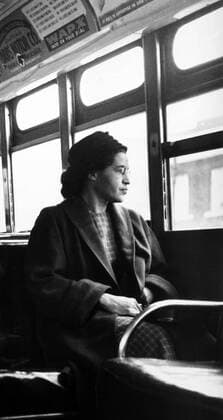
  • IMAGO History, U.S. Bürgerrechtsbewegung: 1954-1968 Rosa Parks sitting on a bus in Montgomery, Alabama, 1956. WHA  !ACHTUNG AUFNAHMEDATUM GESCHÄTZT! Copyright: WHA UnitedArchivesWHA_5153_TR
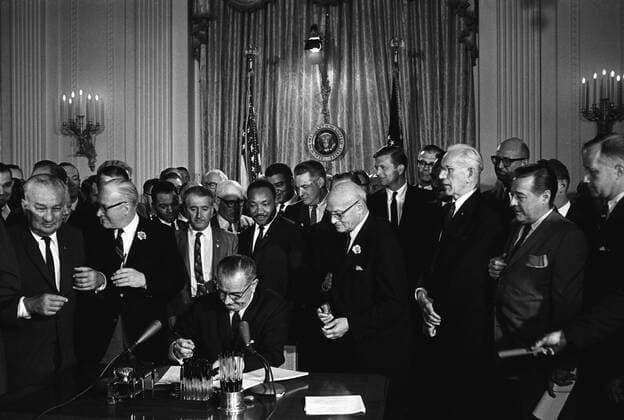
  • IMAGO History, U.S. Bürgerrechtsbewegung: 1954-1968 Lyndon Baines Johnson (1908 – 1973), referred to as LBJ, served as the 36th President of the United States from 1963 to 1969. Lyndon Johnson signing the Civil Rights Act, 2 July 1964. Martin Luther king Jnr. looks on behind the President WHA  !ACHTUNG AUFNAHMEDATUM GESCHÄTZT! Copyright: WHA UnitedArchives015944
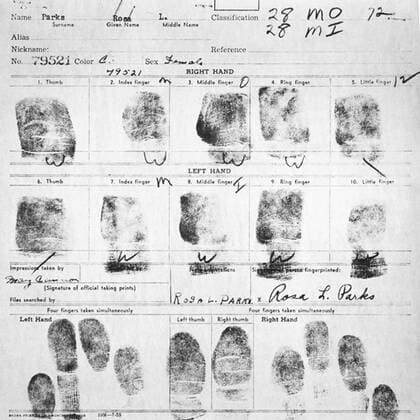
  • Fingerprint Card of Rosa Parks Civil Case 1147 Browder, et al v. Gayle, et. al; U.S. District Court for Middle District of Alabama, Northern (Montgomery) Division Record Group 21: Records of the District Court of the United States National Archives and Records Administration-Southeast Region, East Point, GA. 1955. Rosa Louise McCauley Parks (1813-2005), American Civil Rights activist was arrested for refusing to move from her seat on a segregated Montgomery bus on 1 December 1955. WHA  !ACHTUNG AUFNAHMEDATUM GESCHÄTZT! Copyright: WHA UnitedArchives012318
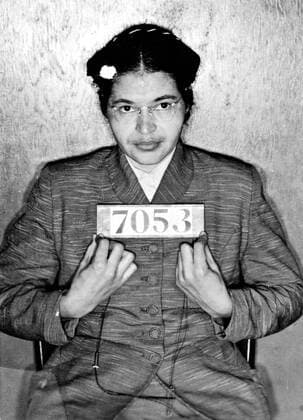
  • IMAGO History, U.S. Bürgerrechtsbewegung: 1954-1968 Rosa Louise McCauley Parks (1913-2005), American Civil Rights activist. Booking photo taken at the time of her arrest for refusing to give upe her seat on a Montgomery, Alabama, bus to a white passenger on 1 December 1955. WHA  !ACHTUNG AUFNAHMEDATUM GESCHÄTZT! Copyright: WHA UnitedArchives012317
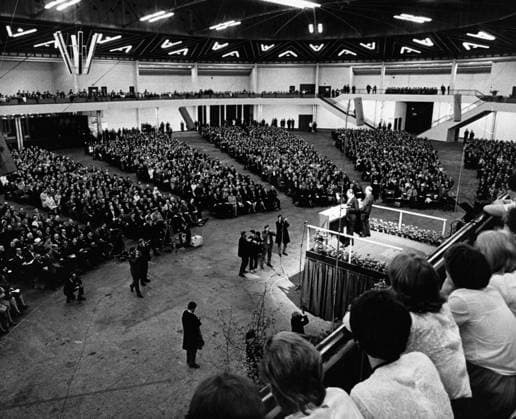
  • IMAGO History, U.S. Bürgerrechtsbewegung: 1954-1968 America marks the 50th Anniversary of three Selma to Montgomery 54-mile marches of 1965 that were part of the Selma Voting Rights Movement which led to the passage of the Voting Rights Act. On March 7, 1965, the first march, Alabama state troopers rushed the group at the EdmundPettusBridge and beat them back to Selma injuring dozens, this is known as Bloody Sunday. Pictured - May 10, 1965 - Copenhagen, Denmark - Reverend Billy Graham gives a speech to 8,000 people in Copenhagen before a riot breaks out. A man stood up and shouted, You damn hypocrite, why weren t you present on the march to Selma. - ZUMAk09_
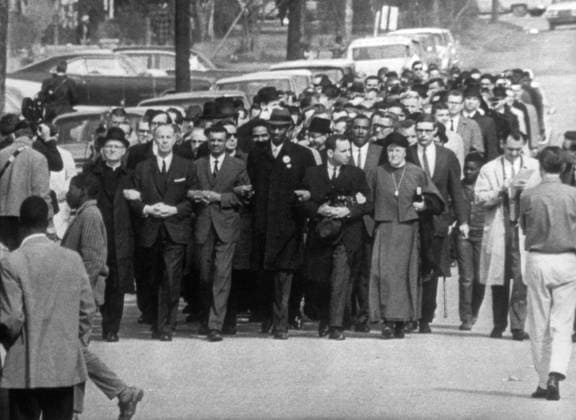
  • IMAGO History, U.S. Bürgerrechtsbewegung: 1954-1968 America marks the 50th Anniversary of three Selma to Montgomery 54-mile marches of 1965 that were part of the Selma Voting Rights Movement which led to the passage of the Voting Rights Act. On March 7, 1965, the first march, Alabama state troopers rushed the group at the EdmundPettusBridge and beat them back to Selma injuring dozens, this is known as Bloody Sunday. Pictured - March 15, 1965 - Civil Rights Demonstrators Marching, Selma, Alabama. Selma U.S. - ZUMAg145
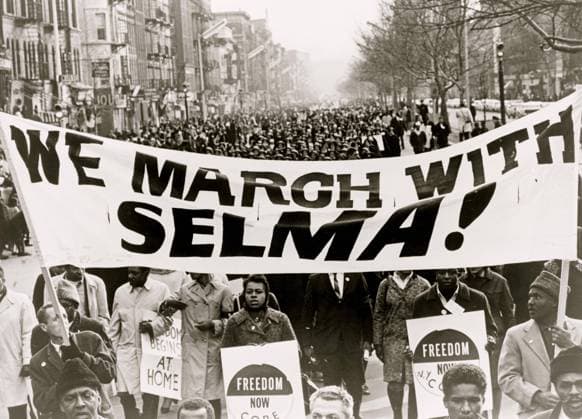
  • IMAGO History, U.S. Bürgerrechtsbewegung: 1954-1968 America marks the 50th Anniversary of three Selma to Montgomery 54-mile marches of 1965 that were part of the Selma Voting Rights Movement which led to the passage of the Voting Rights Act. On March 7, 1965, the first march, Alabama state troopers rushed the group at the EdmundPettusBridge and beat them back to Selma injuring dozens, this is known as Bloody Sunday. Pictured - 1965 - Harlem, New York, U.S. - We march with Selma. Harlem U.S. - ZUMAby3_
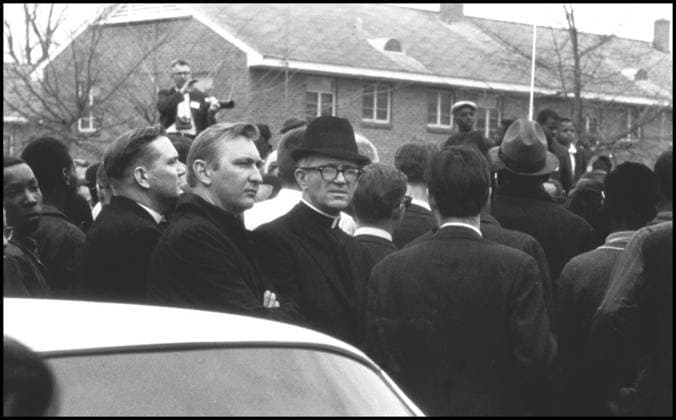
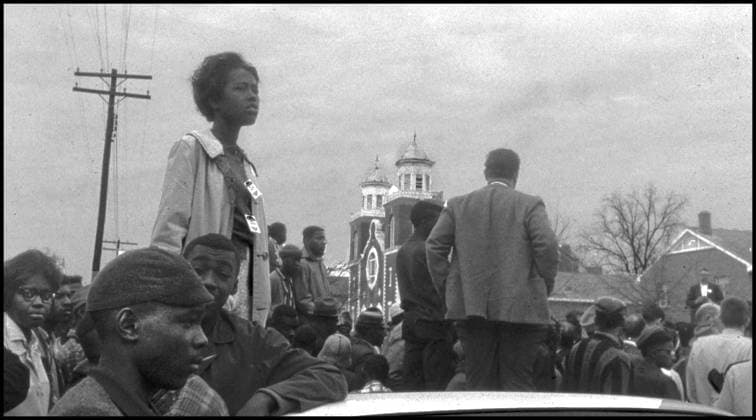
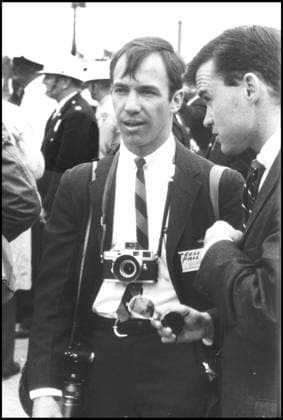
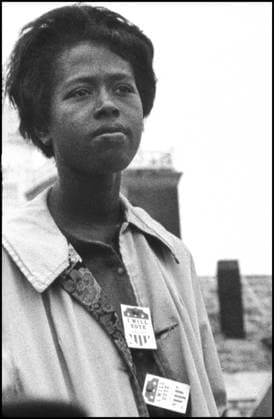
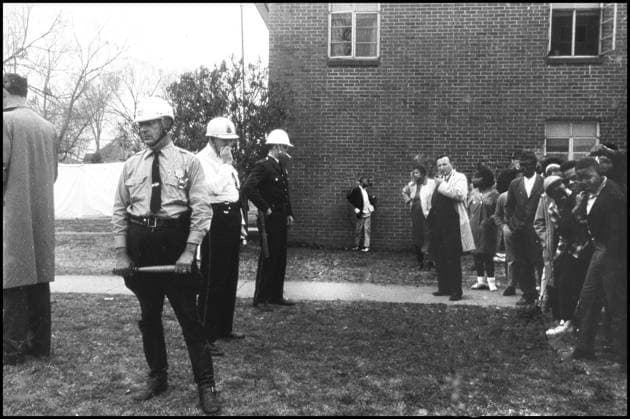
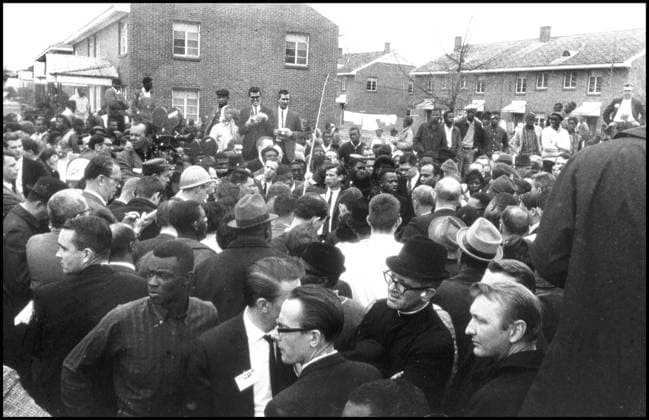
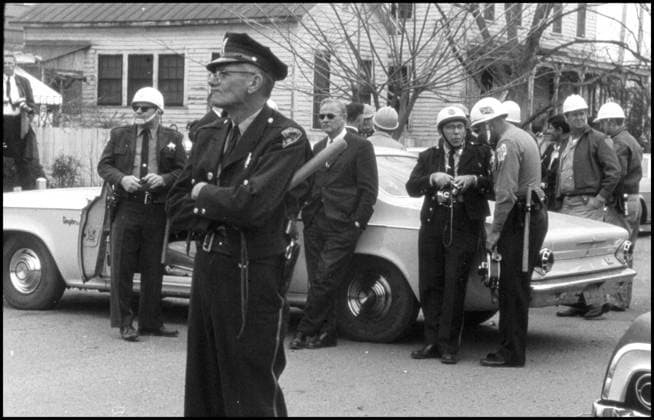
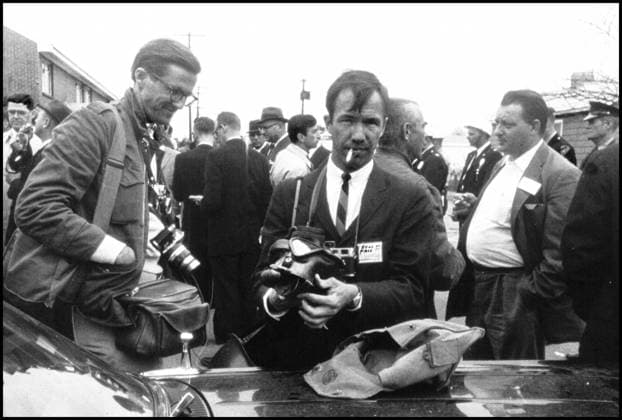
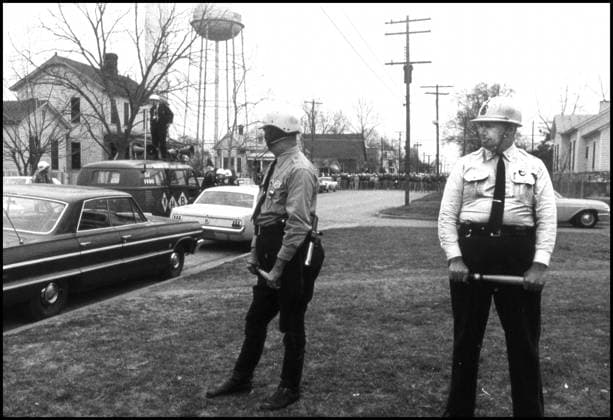
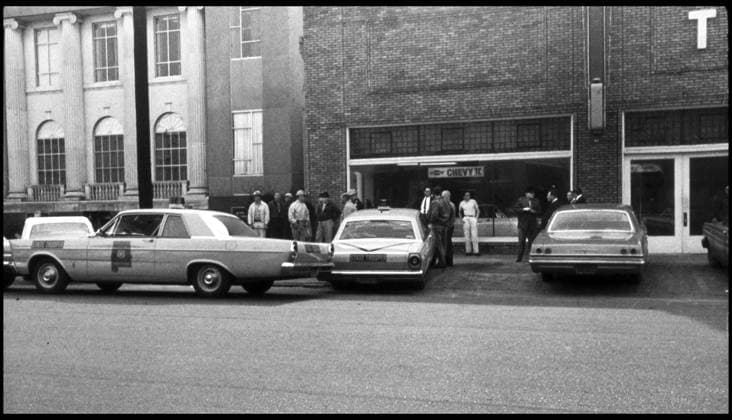
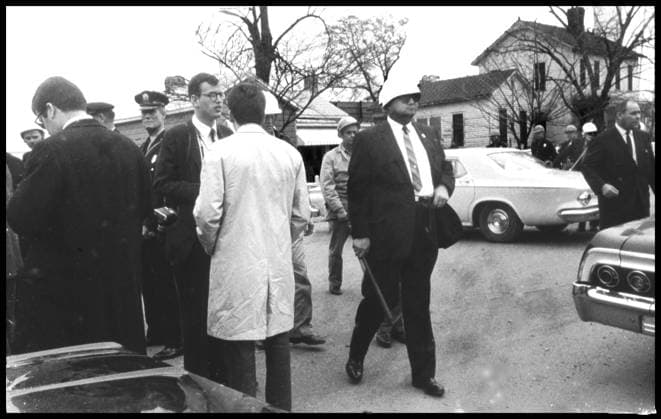
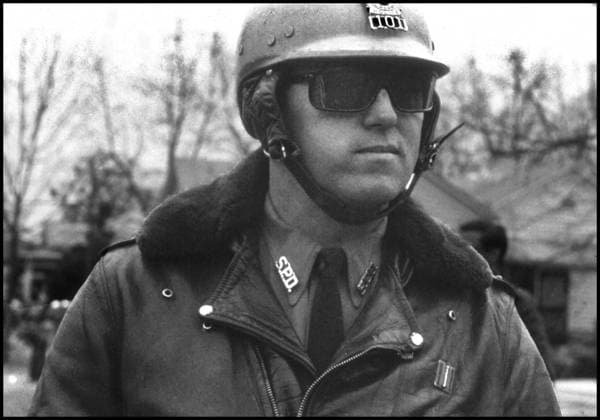
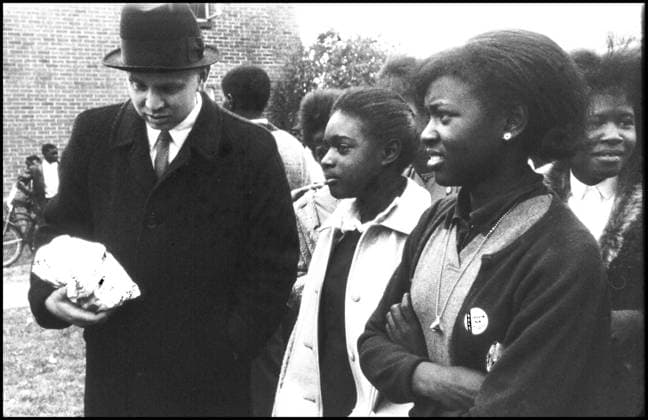
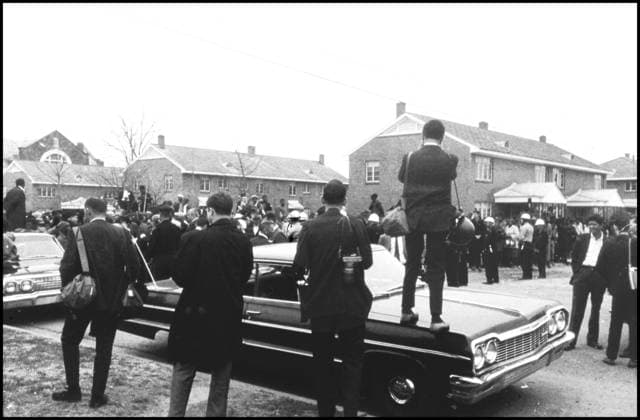
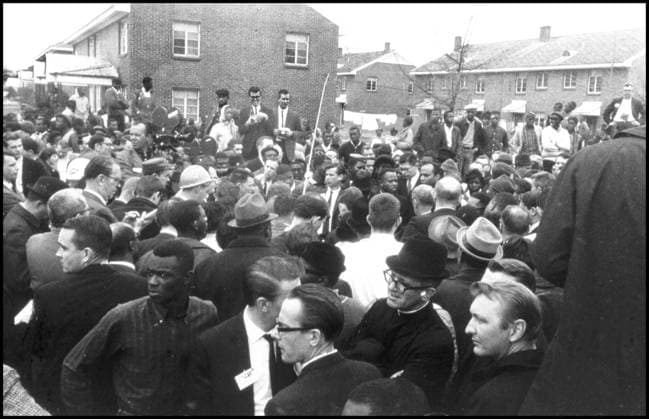
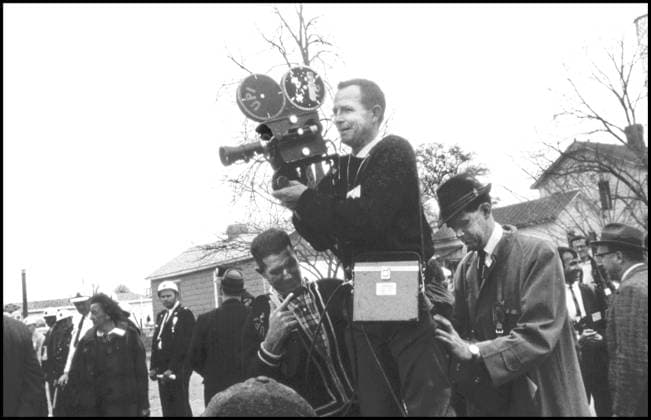
  • IMAGO History, U.S. Bürgerrechtsbewegung: 1954-1968 Mar 6, 1965 - Selma, Alabama, U.S. - Police and news photographers wait with marchers outside during demonstrations while Dr. Martin Luther King, Jr. holds a meeting with other leaders of the Civil Rights Movement, prior to the next day s successful march to Montgomery. The three Selma to Montgomery marches in 1965 were part of the Selma Voting Rights Movement and led to the passage that year of the Voting Rights Act, a landmark federal achievement of the 1960s American Civil Rights Movement. Sunday March 7, 1965 Alabama whites, calling themselves the Concerned White Citizens of Alabama, arrive in Selma to march in support of black rights. Klan members have followed them into town to protest their march, and the demonstration breaks up as it is clear violence is about to break out, seventeen marchers were hospitalized and leaving civil rights activists J. Lee Jackson and J. Reeb dead. - ZUMAw130
  • IMAGO History, U.S. Bürgerrechtsbewegung: 1954-1968 Mar 6, 1965 - Selma, Alabama, U.S. - Police and news photographers wait with marchers outside during demonstrations while Dr. Martin Luther King, Jr. holds a meeting with other leaders of the Civil Rights Movement, prior to the next day s successful march to Montgomery. The three Selma to Montgomery marches in 1965 were part of the Selma Voting Rights Movement and led to the passage that year of the Voting Rights Act, a landmark federal achievement of the 1960s American Civil Rights Movement. Sunday March 7, 1965 Alabama whites, calling themselves the Concerned White Citizens of Alabama, arrive in Selma to march in support of black rights. Klan members have followed them into town to protest their march, and the demonstration breaks up as it is clear violence is about to break out, seventeen marchers were hospitalized and leaving civil rights activists J. Lee Jackson and J. Reeb dead. - ZUMAw130
  • IMAGO History, U.S. Bürgerrechtsbewegung: 1954-1968 Mar 6, 1965 - Selma, Alabama, U.S. - Police and news photographers wait with marchers outside during demonstrations while Dr. Martin Luther King, Jr. holds a meeting with other leaders of the Civil Rights Movement, prior to the next day s successful march to Montgomery. The three Selma to Montgomery marches in 1965 were part of the Selma Voting Rights Movement and led to the passage that year of the Voting Rights Act, a landmark federal achievement of the 1960s American Civil Rights Movement. Sunday March 7, 1965 Alabama whites, calling themselves the Concerned White Citizens of Alabama, arrive in Selma to march in support of black rights. Klan members have followed them into town to protest their march, and the demonstration breaks up as it is clear violence is about to break out, seventeen marchers were hospitalized and leaving civil rights activists J. Lee Jackson and J. Reeb dead. - ZUMAw130
  • IMAGO History, U.S. Bürgerrechtsbewegung: 1954-1968 Mar 6, 1965 - Selma, Alabama, U.S. - Police and news photographers wait with marchers outside during demonstrations while Dr. Martin Luther King, Jr. holds a meeting with other leaders of the Civil Rights Movement, prior to the next day s successful march to Montgomery. The three Selma to Montgomery marches in 1965 were part of the Selma Voting Rights Movement and led to the passage that year of the Voting Rights Act, a landmark federal achievement of the 1960s American Civil Rights Movement. Sunday March 7, 1965 Alabama whites, calling themselves the Concerned White Citizens of Alabama, arrive in Selma to march in support of black rights. Klan members have followed them into town to protest their march, and the demonstration breaks up as it is clear violence is about to break out, seventeen marchers were hospitalized and leaving civil rights activists J. Lee Jackson and J. Reeb dead. - ZUMAw130
  • IMAGO History, U.S. Bürgerrechtsbewegung: 1954-1968 Mar 6, 1965 - Selma, Alabama, U.S. - Police and news photographers wait with marchers outside during demonstrations while Dr. Martin Luther King, Jr. holds a meeting with other leaders of the Civil Rights Movement, prior to the next day s successful march to Montgomery. The three Selma to Montgomery marches in 1965 were part of the Selma Voting Rights Movement and led to the passage that year of the Voting Rights Act, a landmark federal achievement of the 1960s American Civil Rights Movement. Sunday March 7, 1965 Alabama whites, calling themselves the Concerned White Citizens of Alabama, arrive in Selma to march in support of black rights. Klan members have followed them into town to protest their march, and the demonstration breaks up as it is clear violence is about to break out, seventeen marchers were hospitalized and leaving civil rights activists J. Lee Jackson and J. Reeb dead. - ZUMAw130
  • IMAGO History, U.S. Bürgerrechtsbewegung: 1954-1968 Mar 6, 1965 - Selma, Alabama, U.S. - Police and news photographers wait with marchers outside during demonstrations while Dr. Martin Luther King, Jr. holds a meeting with other leaders of the Civil Rights Movement, prior to the next day s successful march to Montgomery. The three Selma to Montgomery marches in 1965 were part of the Selma Voting Rights Movement and led to the passage that year of the Voting Rights Act, a landmark federal achievement of the 1960s American Civil Rights Movement. Sunday March 7, 1965 Alabama whites, calling themselves the Concerned White Citizens of Alabama, arrive in Selma to march in support of black rights. Klan members have followed them into town to protest their march, and the demonstration breaks up as it is clear violence is about to break out, seventeen marchers were hospitalized and leaving civil rights activists J. Lee Jackson and J. Reeb dead. - ZUMAw130
  • IMAGO History, U.S. Bürgerrechtsbewegung: 1954-1968 Mar 6, 1965 - Selma, Alabama, U.S. - Police and news photographers wait with marchers outside during demonstrations while Dr. Martin Luther King, Jr. holds a meeting with other leaders of the Civil Rights Movement, prior to the next day s successful march to Montgomery. The three Selma to Montgomery marches in 1965 were part of the Selma Voting Rights Movement and led to the passage that year of the Voting Rights Act, a landmark federal achievement of the 1960s American Civil Rights Movement. Sunday March 7, 1965 Alabama whites, calling themselves the Concerned White Citizens of Alabama, arrive in Selma to march in support of black rights. Klan members have followed them into town to protest their march, and the demonstration breaks up as it is clear violence is about to break out, seventeen marchers were hospitalized and leaving civil rights activists J. Lee Jackson and J. Reeb dead. - ZUMAw130
  • IMAGO History, U.S. Bürgerrechtsbewegung: 1954-1968 Mar 6, 1965 - Selma, Alabama, U.S. - Police and news photographers wait with marchers outside during demonstrations while Dr. Martin Luther King, Jr. holds a meeting with other leaders of the Civil Rights Movement, prior to the next day s successful march to Montgomery. The three Selma to Montgomery marches in 1965 were part of the Selma Voting Rights Movement and led to the passage that year of the Voting Rights Act, a landmark federal achievement of the 1960s American Civil Rights Movement. Sunday March 7, 1965 Alabama whites, calling themselves the Concerned White Citizens of Alabama, arrive in Selma to march in support of black rights. Klan members have followed them into town to protest their march, and the demonstration breaks up as it is clear violence is about to break out, seventeen marchers were hospitalized and leaving civil rights activists J. Lee Jackson and J. Reeb dead. - ZUMAw130
  • IMAGO History, U.S. Bürgerrechtsbewegung: 1954-1968 Mar 6, 1965 - Selma, Alabama, U.S. - Police and news photographers wait with marchers outside during demonstrations while Dr. Martin Luther King, Jr. holds a meeting with other leaders of the Civil Rights Movement, prior to the next day s successful march to Montgomery. The three Selma to Montgomery marches in 1965 were part of the Selma Voting Rights Movement and led to the passage that year of the Voting Rights Act, a landmark federal achievement of the 1960s American Civil Rights Movement. Sunday March 7, 1965 Alabama whites, calling themselves the Concerned White Citizens of Alabama, arrive in Selma to march in support of black rights. Klan members have followed them into town to protest their march, and the demonstration breaks up as it is clear violence is about to break out, seventeen marchers were hospitalized and leaving civil rights activists J. Lee Jackson and J. Reeb dead. - ZUMAw130
  • IMAGO History, U.S. Bürgerrechtsbewegung: 1954-1968 Mar 6, 1965 - Selma, Alabama, U.S. - Police and news photographers wait with marchers outside during demonstrations while Dr. Martin Luther King, Jr. holds a meeting with other leaders of the Civil Rights Movement, prior to the next day s successful march to Montgomery. The three Selma to Montgomery marches in 1965 were part of the Selma Voting Rights Movement and led to the passage that year of the Voting Rights Act, a landmark federal achievement of the 1960s American Civil Rights Movement. Sunday March 7, 1965 Alabama whites, calling themselves the Concerned White Citizens of Alabama, arrive in Selma to march in support of black rights. Klan members have followed them into town to protest their march, and the demonstration breaks up as it is clear violence is about to break out, seventeen marchers were hospitalized and leaving civil rights activists J. Lee Jackson and J. Reeb dead. - ZUMAw130
  • IMAGO History, U.S. Bürgerrechtsbewegung: 1954-1968 Mar 6, 1965 - Selma, Alabama, U.S. - Police and news photographers wait with marchers outside during demonstrations while Dr. Martin Luther King, Jr. holds a meeting with other leaders of the Civil Rights Movement, prior to the next day s successful march to Montgomery. The three Selma to Montgomery marches in 1965 were part of the Selma Voting Rights Movement and led to the passage that year of the Voting Rights Act, a landmark federal achievement of the 1960s American Civil Rights Movement. Sunday March 7, 1965 Alabama whites, calling themselves the Concerned White Citizens of Alabama, arrive in Selma to march in support of black rights. Klan members have followed them into town to protest their march, and the demonstration breaks up as it is clear violence is about to break out, seventeen marchers were hospitalized and leaving civil rights activists J. Lee Jackson and J. Reeb dead. - ZUMAw130
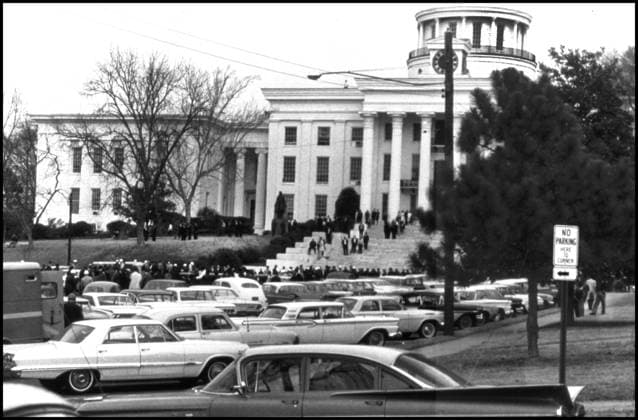
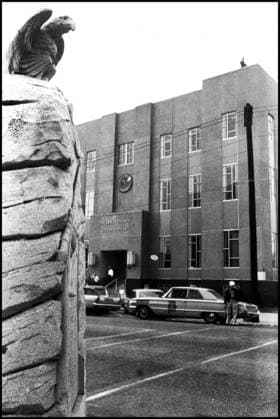
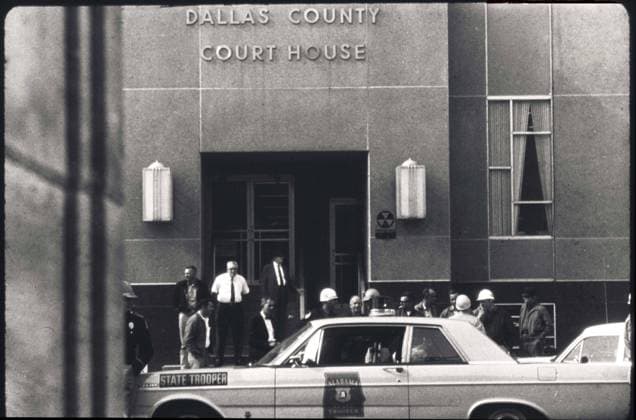
  • IMAGO History, U.S. Bürgerrechtsbewegung: 1954-1968 Mar 6, 1965 - Selma, Alabama, U.S. - Police and news photographers wait with marchers outside Dallas Court house during demonstrations prior to the next day s successful march to Montgomery. The three Selma to Montgomery marches in 1965 were part of the Selma Voting Rights Movement and led to the passage that year of the Voting Rights Act, a landmark federal achievement of the 1960s American Civil Rights Movement. Sunday March 7, 1965 Alabama whites, calling themselves the Concerned White Citizens of Alabama, arrive in Selma to march in support of black rights. Klan members have followed them into town to protest their march, and the demonstration breaks up as it is clear violence is about to break out, seventeen marchers were hospitalized and leaving civil rights activists J. Lee Jackson and J. Reeb dead. Selma U.S. - ZUMAw130
  • IMAGO History, U.S. Bürgerrechtsbewegung: 1954-1968 Mar 6, 1965 - Selma, Alabama, U.S. - Police and news photographers wait with marchers outside during demonstrations while Dr. Martin Luther King, Jr. holds a meeting with other leaders of the Civil Rights Movement, prior to the next day s successful march to Montgomery. The three Selma to Montgomery marches in 1965 were part of the Selma Voting Rights Movement and led to the passage that year of the Voting Rights Act, a landmark federal achievement of the 1960s American Civil Rights Movement. Sunday March 7, 1965 Alabama whites, calling themselves the Concerned White Citizens of Alabama, arrive in Selma to march in support of black rights. Klan members have followed them into town to protest their march, and the demonstration breaks up as it is clear violence is about to break out, seventeen marchers were hospitalized and leaving civil rights activists J. Lee Jackson and J. Reeb dead. - ZUMAw130
  • IMAGO History, U.S. Bürgerrechtsbewegung: 1954-1968 Mar 6, 1965 - Selma, Alabama, U.S. - Police and news photographers wait with marchers outside during demonstrations while Dr. Martin Luther King, Jr. holds a meeting with other leaders of the Civil Rights Movement, prior to the next day s successful march to Montgomery. The three Selma to Montgomery marches in 1965 were part of the Selma Voting Rights Movement and led to the passage that year of the Voting Rights Act, a landmark federal achievement of the 1960s American Civil Rights Movement. Sunday March 7, 1965 Alabama whites, calling themselves the Concerned White Citizens of Alabama, arrive in Selma to march in support of black rights. Klan members have followed them into town to protest their march, and the demonstration breaks up as it is clear violence is about to break out, seventeen marchers were hospitalized and leaving civil rights activists J. Lee Jackson and J. Reeb dead. - ZUMAw130
  • IMAGO History, U.S. Bürgerrechtsbewegung: 1954-1968 Mar 6, 1965 - Selma, Alabama, U.S. - Police and news photographers wait with marchers outside during demonstrations while Dr. Martin Luther King, Jr. holds a meeting with other leaders of the Civil Rights Movement, prior to the next day s successful march to Montgomery. The three Selma to Montgomery marches in 1965 were part of the Selma Voting Rights Movement and led to the passage that year of the Voting Rights Act, a landmark federal achievement of the 1960s American Civil Rights Movement. Sunday March 7, 1965 Alabama whites, calling themselves the Concerned White Citizens of Alabama, arrive in Selma to march in support of black rights. Klan members have followed them into town to protest their march, and the demonstration breaks up as it is clear violence is about to break out, seventeen marchers were hospitalized and leaving civil rights activists J. Lee Jackson and J. Reeb dead. - ZUMAw130
  • IMAGO History, U.S. Bürgerrechtsbewegung: 1954-1968 Mar 6, 1965 - Selma, Alabama, U.S. - Police and news photographers wait with marchers outside during demonstrations while Dr. Martin Luther King, Jr. holds a meeting with other leaders of the Civil Rights Movement, prior to the next day s successful march to Montgomery. The three Selma to Montgomery marches in 1965 were part of the Selma Voting Rights Movement and led to the passage that year of the Voting Rights Act, a landmark federal achievement of the 1960s American Civil Rights Movement. Sunday March 7, 1965 Alabama whites, calling themselves the Concerned White Citizens of Alabama, arrive in Selma to march in support of black rights. Klan members have followed them into town to protest their march, and the demonstration breaks up as it is clear violence is about to break out, seventeen marchers were hospitalized and leaving civil rights activists J. Lee Jackson and J. Reeb dead. - ZUMAw130
  • IMAGO History, U.S. Bürgerrechtsbewegung: 1954-1968 Mar 6, 1965 - Selma, Alabama, U.S. - Police and news photographers wait with marchers outside Dallas Court house during demonstrations prior to the next day s successful march to Montgomery. The three Selma to Montgomery marches in 1965 were part of the Selma Voting Rights Movement and led to the passage that year of the Voting Rights Act, a landmark federal achievement of the 1960s American Civil Rights Movement. Sunday March 7, 1965 Alabama whites, calling themselves the Concerned White Citizens of Alabama, arrive in Selma to march in support of black rights. Klan members have followed them into town to protest their march, and the demonstration breaks up as it is clear violence is about to break out, seventeen marchers were hospitalized and leaving civil rights activists J. Lee Jackson and J. Reeb dead. Selma U.S. - ZUMAw130
  • IMAGO History, U.S. Bürgerrechtsbewegung: 1954-1968 Mar 6, 1965 - Selma, Alabama, U.S. - Police and news photographers wait with marchers outside during demonstrations while Dr. Martin Luther King, Jr. holds a meeting with other leaders of the Civil Rights Movement, prior to the next day s successful march to Montgomery. The three Selma to Montgomery marches in 1965 were part of the Selma Voting Rights Movement and led to the passage that year of the Voting Rights Act, a landmark federal achievement of the 1960s American Civil Rights Movement. Sunday March 7, 1965 Alabama whites, calling themselves the Concerned White Citizens of Alabama, arrive in Selma to march in support of black rights. Klan members have followed them into town to protest their march, and the demonstration breaks up as it is clear violence is about to break out, seventeen marchers were hospitalized and leaving civil rights activists J. Lee Jackson and J. Reeb dead. - ZUMAw130
  • IMAGO History, U.S. Bürgerrechtsbewegung: 1954-1968 Mar 6, 1965 - Selma, Alabama, U.S. - Police and news photographers wait with marchers outside during demonstrations while Dr. Martin Luther King, Jr. holds a meeting with other leaders of the Civil Rights Movement, prior to the next day s successful march to Montgomery. The three Selma to Montgomery marches in 1965 were part of the Selma Voting Rights Movement and led to the passage that year of the Voting Rights Act, a landmark federal achievement of the 1960s American Civil Rights Movement. Sunday March 7, 1965 Alabama whites, calling themselves the Concerned White Citizens of Alabama, arrive in Selma to march in support of black rights. Klan members have followed them into town to protest their march, and the demonstration breaks up as it is clear violence is about to break out, seventeen marchers were hospitalized and leaving civil rights activists J. Lee Jackson and J. Reeb dead. - ZUMAw130
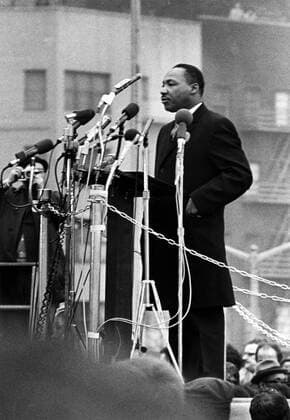
  • IMAGO History, U.S. Bürgerrechtsbewegung: 1954-1968 May 1, 1965 - New York, NY, USA - Reverend MARTIN LUTHER KING JR. (1929-1968) was a prominent leader of the African American Civil Rights Movement. Tragically King was assassinated on April 4, 1968 on the balcony of the Lorraine Motel. PICTURED: MLK, Jr. gives a speech in New York City. New York USA  - ZUMAk09
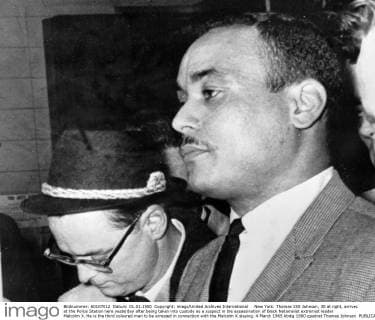
  • IMAGO History, U.S. Bürgerrechtsbewegung: 1954-1968 New York: Thomas 15X Johnson, 30 at right, arrives at the Police Station here yesterday after being taken into custody as a suspect in the assassination of Black Nationalist extremist leader Malcolm X. He is the third coloured man to be arrested in connection with the Malcolm X slaying. 4 March 1965 UnitedArchives00937059
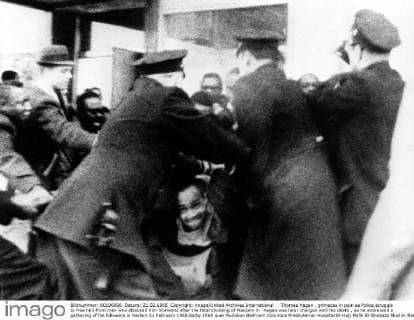
  • IMAGO History, U.S. Bürgerrechtsbewegung: 1954-1968 Thomas Hagan , grimaces in pain as Police struggle to free him from men who attacked him moments after the fatal shooting of Malcolm X . Hagan was later charged with his death , as he addressed a gathering of his followers in Harlem 21 February 1965 UnitedArchives00937035
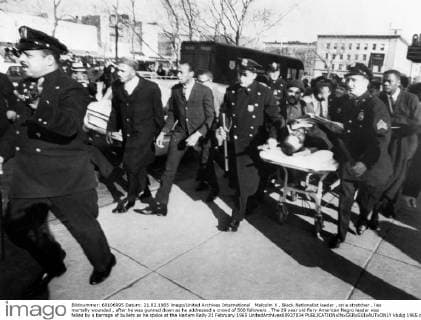
  • IMAGO History, U.S. Bürgerrechtsbewegung: 1954-1968 Malcolm X , Black Nationalist leader , on a stretcher , lies mortally wounded , after he was gunned down as he addressed a crowd of 500 followers . The 29 year old fiery American Negro leader was felled by a barrage of bullets as he spoke at the Harlem Rally 21 February 1965 UnitedArchives00937034
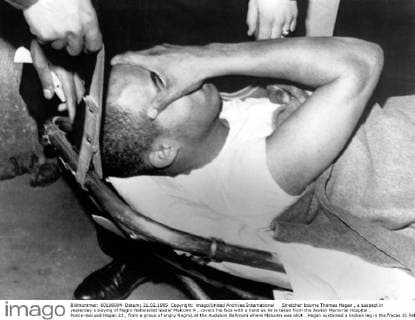
  • IMAGO History, U.S. Bürgerrechtsbewegung: 1954-1968 Stretcher bourne Thomas Hagan , a suspect in yesterday s slaying of Negro Nationalist leader Malcolm X , covers his face with a hand as he is taken from the Jewish Memorial Hospital . Police rescued Hagan 22 , from a group of angry Negros at the Audubon Ballroom where Malcolm was shot . Hagan sustained a broken leg in the fracas 21 February 1965 UnitedArchives00937032
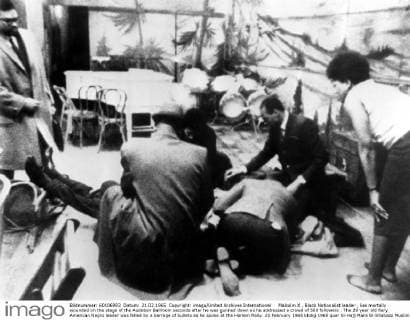
  • IMAGO History, U.S. Bürgerrechtsbewegung: 1954-1968 Malcolm X , Black Nationalist leader , lies mortally wounded on the stage of the Audobon Ballroom seconds after he was gunned down as he addressed a crowd of 500 followers . The 29 year old fiery American Negro leader was felled by a barrage of bullets as he spoke at the Harlem Rally. 21 February 1965 UnitedArchives00937031
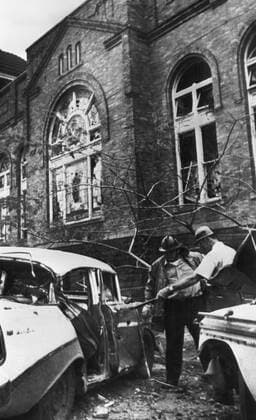
  • IMAGO History, U.S. Bürgerrechtsbewegung: 1954-1968 Police officers look at a wrecked car outside the 16th Street Baptist Church , Birmingham , Alabama , after a dynamite bomb had exploded in the church . Four black girls were killed . The explosion took place as the minister was addressing a Sunday school class just before morning service. 16th September 1963, Rassismus UnitedArchives00144190
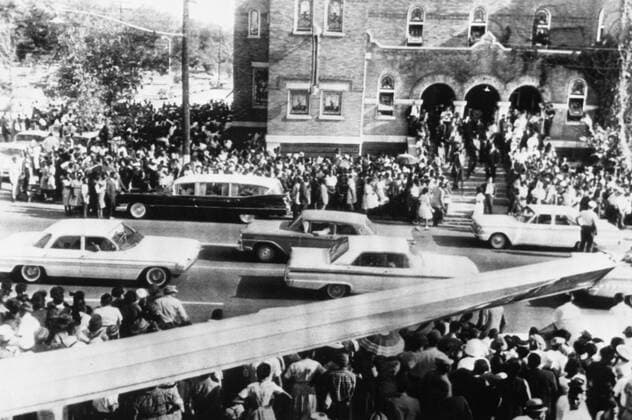
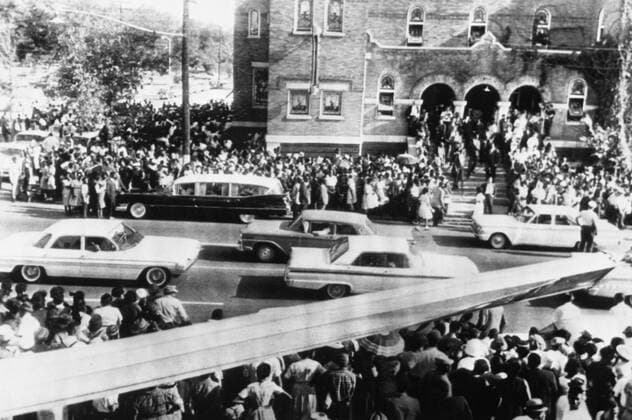
  • IMAGO History, U.S. Bürgerrechtsbewegung: 1954-1968 Birmingham , Alabama , Huge crowds gathered outside 16th Street Baptist Church here yesterday during the funeral service of three of the four black girls killed in last Sunday s bombing of the church . Amongst the crowds of more than 2,000 people there were many white sympathisers . 19th September 1963, Rassismus UnitedArchives00144189
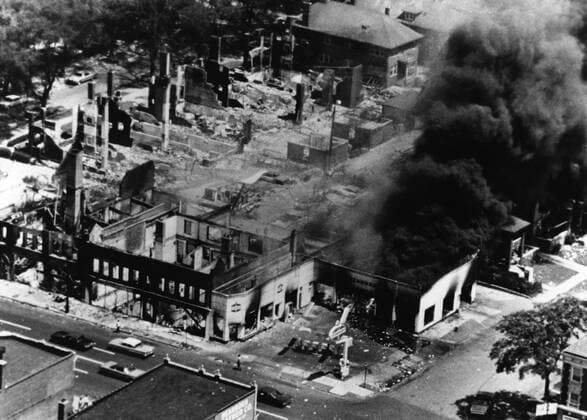
  • IMAGO History, U.S. Bürgerrechtsbewegung: 1954-1968 Racial War Rages - Detroit , Michigan , USA : The gutted remains of buildings graphically testifies to the presence of racial war in the United States fifth largest city . After four nights of violence the end was not in sight yesterday , and all indications were that the Detroit insurrection would surpass , Watts , California , as the worst racial riot in the history of America 27 July 1967, Tankstelle, tanken, Benzin, Treibstoff, Diesel, Zapfsäule, Benzinpreis, Auto UnitedArchives00130684
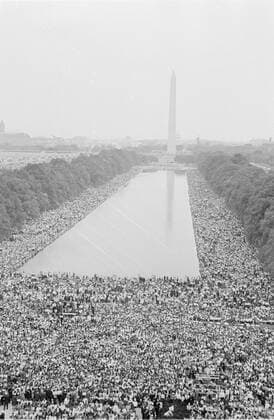
  • IMAGO History, U.S. Bürgerrechtsbewegung: 1954-1968 28 August 1963 Over 200.000 civil rights demonstrators marched into the heart of Washington DC by the Lincoln Memorial where Martin Luther King addressed the crowd with his historic I Have A Dream speech. Â UnitedArchives00115364
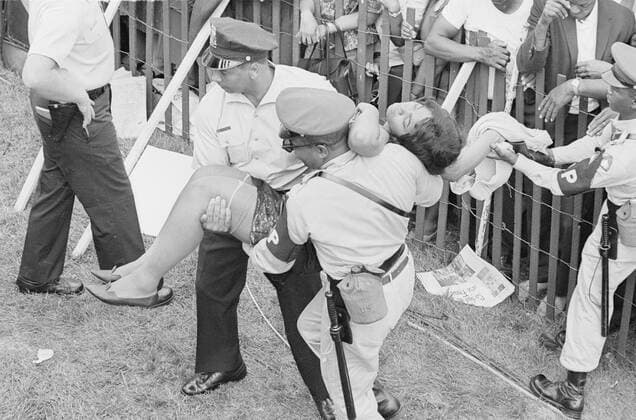
  • IMAGO History, U.S. Bürgerrechtsbewegung: 1954-1968 28 August 1963 A woman in the crowd is overcome. Over 200.000 civil rights demonstrators marched into the heart of Washington DC by the Lincoln Memorial where Martin Luther King addressed the crowd with his historic I Have A Dream speech. Â UnitedArchives00115358
  • IMAGO History, U.S. Bürgerrechtsbewegung: 1954-1968 28 August 1963 Over 200.000 civil rights demonstrators marched into the heart of Washington DC by the Lincoln Memorial where Martin Luther King addressed the crowd with his historic I Have A Dream speech. Â UnitedArchives00115353
  • IMAGO History, U.S. Bürgerrechtsbewegung: 1954-1968 28 August 1963 The end of a long day Over 200.000 civil rights demonstrators marched into the heart of Washington DC by the Lincoln Memorial where Martin Luther King addressed the crowd with his historic I Have A Dream speech. Â UnitedArchives00115311
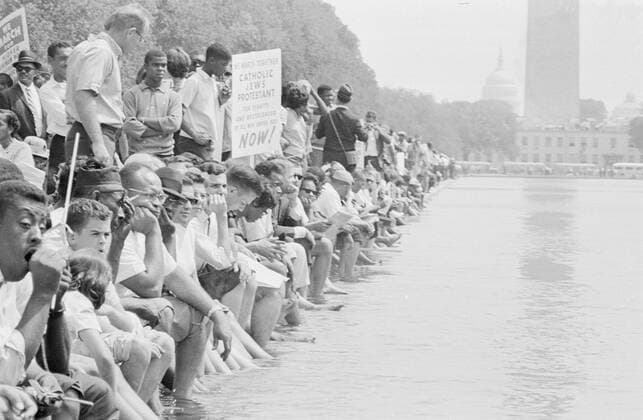
  • IMAGO History, U.S. Bürgerrechtsbewegung: 1954-1968 28 August 1963 Dipping their feet in the famous reflecting pool which lies between the Lincoln Memorial and the Washington Monument Over 200.000 civil rights demonstrators marched into the heart of Washington DC by the Lincoln Memorial where Martin Luther King addressed the crowd with his historic I Have A Dream speech. Â UnitedArchives00115303
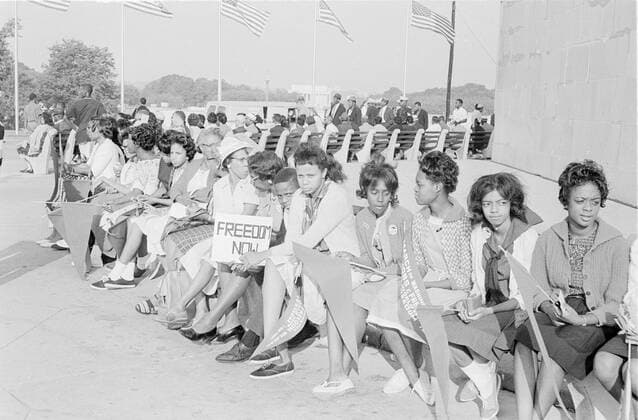
  • IMAGO History, U.S. Bürgerrechtsbewegung: 1954-1968 28 August 1963 Marchers with placards Over 200.000 civil rights demonstrators marched into the heart of Washington DC by the Lincoln Memorial where Martin Luther King addressed the crowd with his historic I Have A Dream speech. Â UnitedArchives00115278
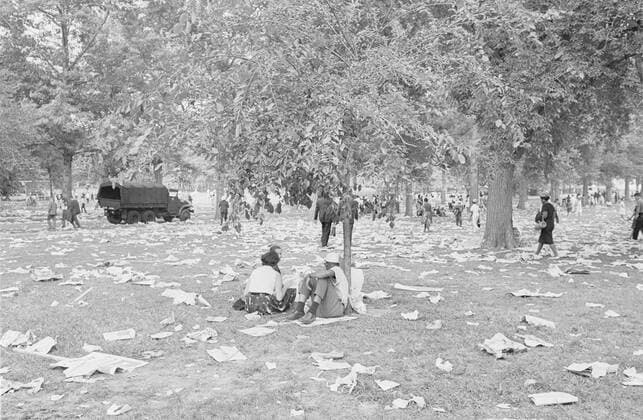
  • IMAGO History, U.S. Bürgerrechtsbewegung: 1954-1968 28 August 1963 Over 200.000 civil rights demonstrators marched into the heart of Washington DC by the Lincoln Memorial where Martin Luther King addressed the crowd with his historic I Have A Dream speech. Â UnitedArchives00115223
  • IMAGO History, U.S. Bürgerrechtsbewegung: 1954-1968 Birmingham , Alabama , Huge crowds gathered outside 16th Street Baptist Church here yesterday during the funeral service of three of the four black girls killed in last Sunday s bombing of the church . Amongst the crowds of more than 2,000 people there were many white sympathisers . 19th September 1963 Mono Negative !AUFNAHMEDATUM GESCHÄTZT! UnitedArchives1215246
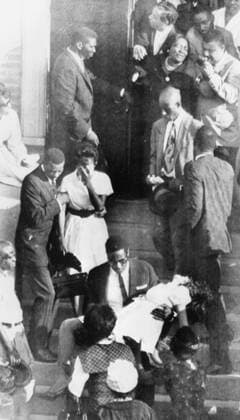
  • IMAGO History, U.S. Bürgerrechtsbewegung: 1954-1968 Birmingham , Alabama , The dramatic scene outside the 16th Street Baptist Church as members of the families of three of the four black girls killed in last Sunday s bombing of the church , are brought screaming from the church during yesterday s funeral service . The woman in white (foreground) fainted and had to be carried bodily from the church . 19th September 1963 Mono Negative !AUFNAHMEDATUM GESCHÄTZT! UnitedArchives1215245
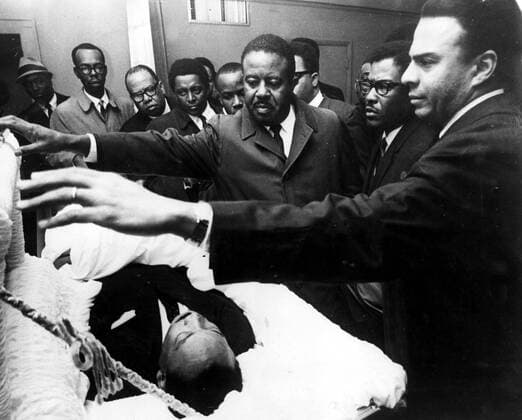
  • IMAGO History, U.S. Bürgerrechtsbewegung: 1954-1968 Apr 09, 1968 - Atlanta, GA, USA - Body of leader of the American civil rights movement and political activist, MARTIN LUTHER KING; pictured holding the coffin, other notable minister-activists (left to right) RALPH ABERNATHY, King s closest associate; BERNARD LEE and ANDREW YOUNG. The assassination of Martin Luther King led to a nationwide wave of riots in more than 60 cities. Five days later, President Lyndon B. Johnson declared a national day of mourning for the lost civil rights leader. A crowd of 300,000 attended his funeral that same day. Atlanta USA  - ZUMAk09
Seite 2 von 3