EditorialCreativeSportKollektionenVideos
Preise
0Anmelden

Visuelle Inhalte für Profis.
800 Mio.+ Bilder und Videos.

Content-Hub

  • Aktuelle Ereignisse
  • Bilder des Jahres
  • Sport
  • Editorial
  • Creative
  • Kollektionen
  • Videos

Angebote

  • Preise & Pakete
  • Aktionen
  • Enterprise
  • Newsletter
  • Blog
  • The Game Magazine

Services

  • Bildrecherche
  • Auftragsfotografie
  • API & FTP Push
  • my-picturemaxx
  • Partner werden

Unternehmen

  • Über IMAGO
  • Karriere
  • News

Hilfe-Center

  • FAQ
  • Kontakt
ImpressumNutzungsbedingungenLizenzinformationenDatenschutzDatenschutzeinstellungen
© 2026 IMAGO
CEPICBAPLABVPA
Zurück zu den Kollektionen

Internationaler Tag für die Abschaffung der Sklaverei am 2. Dezember

02.12.2023

Die folgenden Fotos wurden von der IMAGO Bildredaktion zu diesem Thema für Sie ausgewählt. Für weitere Bilder nutzen Sie bitte die Suchfunktion.
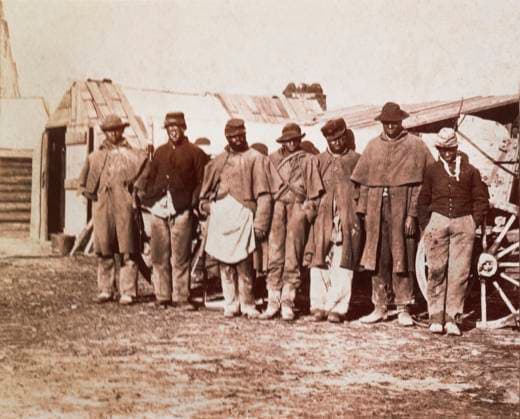
  • Group of African-American Men who Escaped Slavery and Joined the Union Army, Portrait, 1863  Copyright: xABxArchivex jtv002143
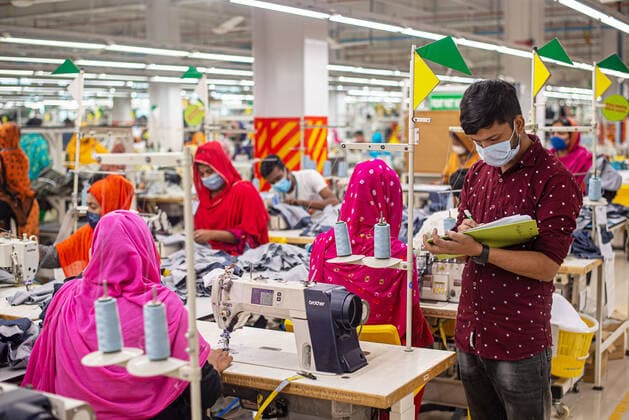
  • October 12, 2022, Gazipur, Dhaka, Bangladesh: Workers make clothes at a Garment factory in Gazipur, Bangladesh. Four out of five of the 4.4 million workers employed in the garment industry in Bangladesh are women. The ready-made garment (RMG) industry is a mainstay of this economic success story. Bangladesh is today one of the world s largest garment exporters, with the RMG sector accounting for 84 % of Bangladesh s exports. Bangladesh is the second largest individual country for apparel manufacturing in the world behind China and is where brands like H&M, Target and Marks and Spencer produce much of their goods. Bangladesh s export earnings crossed the milestone of $50 billion with Apparel sector being the highest earners of the export rec - ZUMAs231 20221012_zip_s231_052 Copyright: xJoyxSahax
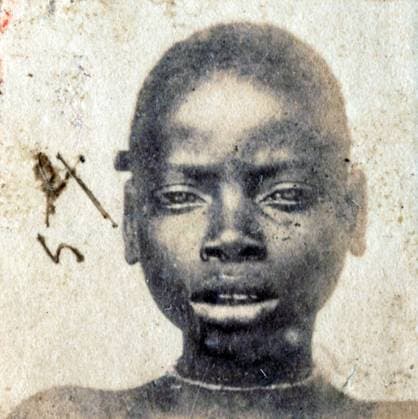
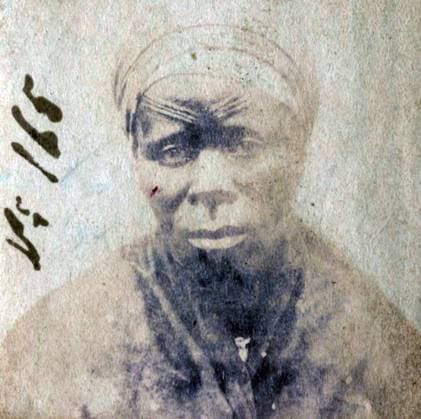
  • This photograph of a Liberated African slave was taken after they were freed from slaving ships by the British Navy. From 1861 to 1874, more than 2500 Liberated Africans were shipped to Port Victoria, Seychelles.<br ><br > While the Slave Trade continued across eastern and southern Africa and the Indian Ocean, the liberated were taken to a depot, classified by the District Magistrate, photographed, renamed, and assigned as apprentices to the French-owned plantations, where they were indentured for five years. Supplier:xCPAxMediaxCo.xLtd. 1060_05_CPA0031773
  • The Atlantic slave trade or transatlantic slave trade took place across the Atlantic Ocean from the 16th through to the 19th centuries. The vast majority of those enslaved that were transported to the New World, many on the triangular trade route and its Middle Passage, were West Africans from the central and western parts of the continent sold by western Africans to western European slave traders, or by direct European capture to the Americas.<br ><br > The numbers were so great that Africans who came by way of the slave trade became the most numerous Old World immigrants in both North and South America before the late 18th century. Far more slaves were taken to South America than to the north. The South Atlantic economic system centered Supplier:xCPAxMediaxCo.xLtd. 0152768074st
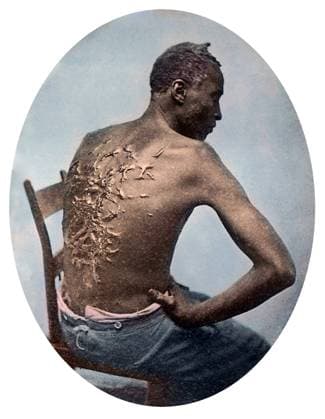
  • Gordon, or Whipped Peter, was a slave on a Louisiana plantation who made his escape from bondage in March of 1863 and went on to serve as a soldier in the United States Colored Troops.<br ><br > The photographs showing Gordon s flagellation scars were frequently used by abolitionists throughout the United States and internationally. In July of 1863 these images appeared in an article about Gordon published in Harper s Weekly, the most widely read journal during the Civil War.<br ><br > The pictures of Gordon s scourged back provided Northerners with visual evidence of brutal treatment of slaves and inspired many free blacks to enlist in the Union Army. Supplier:xCPAxMediaxCo.xLtd. 1060_05_cpa0028936
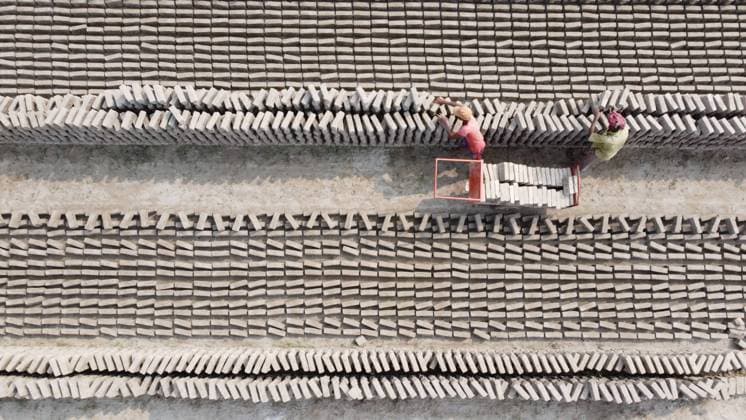
  • January 18, 2022, Narayanganj, Dhaka, Bangladesh: Workers are carrying bricks on a cart in a brick field in Narayanganj, Bangladesh. Bangladesh, with its 160 million inhabitants, is a country in constant demand for bricks as the primary material for construction of buildings in the era of urbanization. There are approximately 5000 privately operated brick kilns within Bangladesh, including 1000 around the capital, Dhaka. Brick kilns, indirectly responsible for climate change, emit toxic fumes containing large amounts of carbon monoxide, nitrogen oxide and oxides of Sulphur which are extremely harmful to the eyes, lungs and throat and causes environmental degradation. Brick labors work for 12-14 hours a day, six days a week, lacking basic hu - ZUMAs231 20220118_zip_s231_086 Copyright: xJoyxSahax
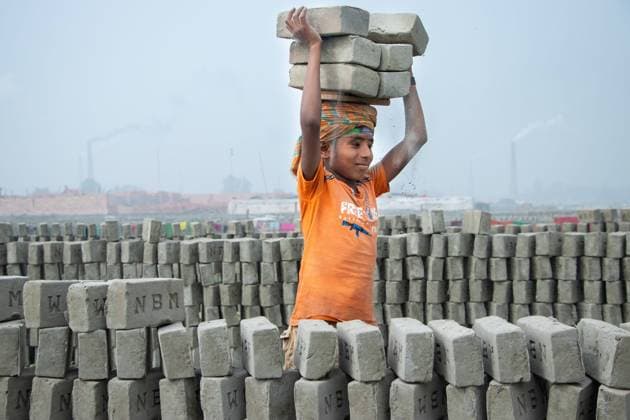
  • January 18, 2022, Narayanganj, Dhaka, Bangladesh: A child worker is taking piles of bricks on the heads in a brick field in Narayanganj, Bangladesh. Bangladesh, with its 160 million inhabitants, is a country in constant demand for bricks as the primary material for construction of buildings in the era of urbanization. There are approximately 5000 privately operated brick kilns within Bangladesh, including 1000 around the capital, Dhaka. Brick kilns, indirectly responsible for climate change, emit toxic fumes containing large amounts of carbon monoxide, nitrogen oxide and oxides of Sulphur which are extremely harmful to the eyes, lungs and throat and causes environmental degradation. Brick labors work for 12-14 hours a day, six days a week, - ZUMAs231 20220118_zip_s231_031 Copyright: xJoyxSahax
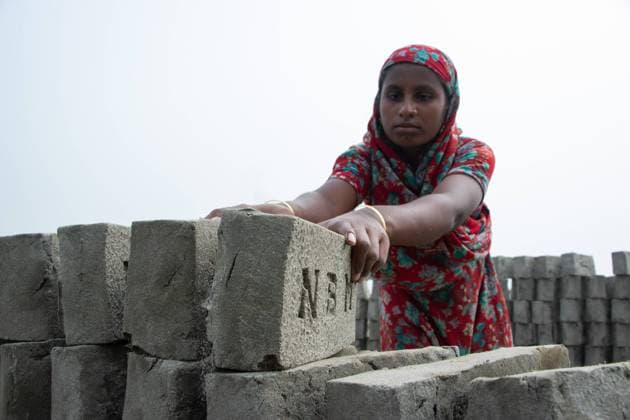
  • January 18, 2022, Narayanganj, Dhaka, Bangladesh: A worker is arranging bricks in a brick field in Narayanganj, Bangladesh. Bangladesh, with its 160 million inhabitants, is a country in constant demand for bricks as the primary material for construction of buildings in the era of urbanization. There are approximately 5000 privately operated brick kilns within Bangladesh, including 1000 around the capital, Dhaka. Brick kilns, indirectly responsible for climate change, emit toxic fumes containing large amounts of carbon monoxide, nitrogen oxide and oxides of Sulphur which are extremely harmful to the eyes, lungs and throat and causes environmental degradation. Brick labors work for 12-14 hours a day, six days a week, lacking basic human right - ZUMAs231 20220118_zip_s231_051 Copyright: xJoyxSahax
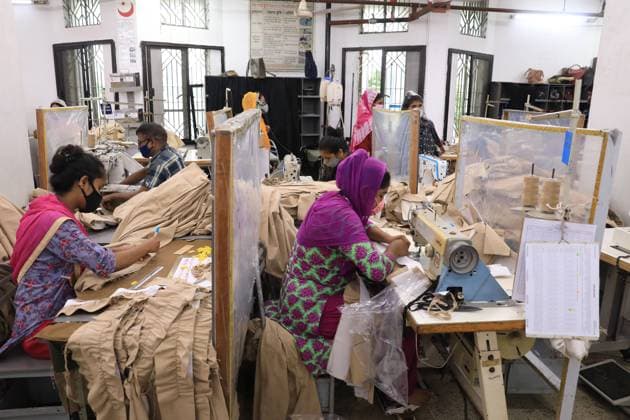
  • Textile Factories Resume Production Amid Covid-19 Lockdown DHAKA, BANGLADESH - AUGUST 12: A woman manufactures clothes in a textile factory in the Gazipur industrial zone on the outskirts of Dhaka. Despite the lockdown measures, imposed across the country by the coronavirus, Bangladeshi textile factories have resumed production of clothing, which They supply the most important brands in the world and represent 84% of the country s total exports. Bangladesh is one of the largest textile exporters in the world employing more than 4 million people, most of them women. Bangladesh s labor force is one of the cheapest in the region, and as a result, it has achieved an advantageous position over other areas in the global textile market. On August Copyright: xHabiburxRahmanx EYEPIXGROUP_HR_12082021_11938
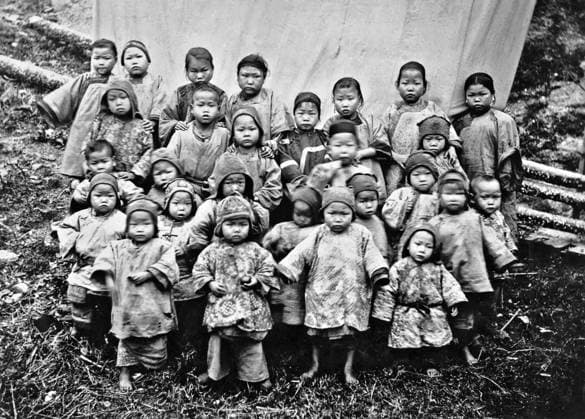
  • Edward Bangs Drew joined the Chinese Maritime Customs Service in 1864 after earning his BA degree from Harvard. In 1868, Drew was appointed a Commissioner of the Service, a position he held for decades.<br ><br > During that time he collected photographs that document clothing, customs, and daily life in 19th century China, and of Drew s life and career, including family and social gatherings, public appearances, and events and ceremonies. China: Kidnapped girls, Foochow Fuzhou. Found hidden in a junk by customs inspector, these girls would have been sold for slaves , Edward Bangs Drew (1843 - 1924), 1886 xSupplier:xCPAxMediaxCo.xLtd.x Copyright: xEdwardxBangsxDrewx
  • This photograph of a Liberated African slave was taken after they were freed from slaving ships by the British Navy. From 1861 to 1874, more than 2500 Liberated Africans were shipped to Port Victoria, Seychelles.<br ><br > While the Slave Trade continued across eastern and southern Africa and the Indian Ocean, the liberated were taken to a depot, classified by the District Magistrate, photographed, renamed, and assigned as apprentices to the French-owned plantations, where they were indentured for five years. Seychelles: Liberated African slave at Port Victoria, c. 1860s xSupplier:xCPAxMediaxCo.xLtd.x Copyright: xx
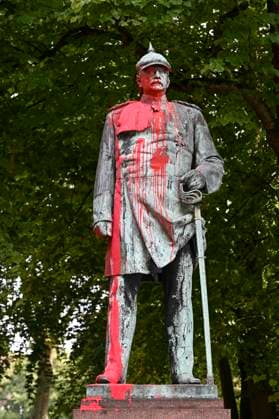
  • Germany, statue of Bismarck GERMANY, Hamburg, black lives matter movement, statue of Otto von Bismarck, chancellor of German Empire, smeared with red paint as protest against german colonial crime and racism, Bismarck has invited 1884***85 for the congo conference in Berlin, where africa was split up to the european colonial powers *** DEUTSCHLAND, Hamburg Altona, aus Protest gegen deutsche Kolonialverbrechen und Rassismus mit Farbe beschmierte Statue des Reichskanzler Otto von Bismarck, Bismarck hat 1884***85 in Berlin zur Kongokonferenz zur Aufteilung Afrikas in Kolonien eingeladen Hamburg Germany
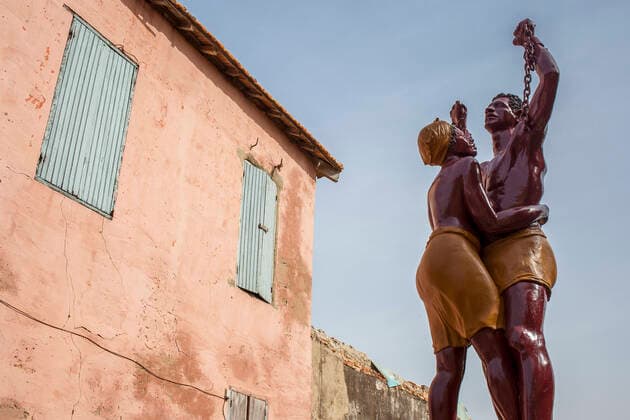
  • Statue Commemorating the End of Slavery, Goree Island, near Dakar, Senegal Dakar Senegal Copyright: xLucasxVallecillosx xVWPicsx LVM-Se.Da.1372
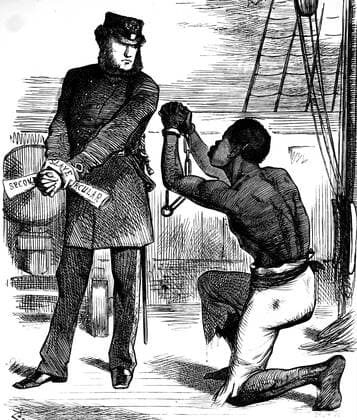
  • Slavery cartoon, Men and Brothers!! Fugitive slave. Take these off! WorldxHistoryxArchive 917_05_WHA_092_0624
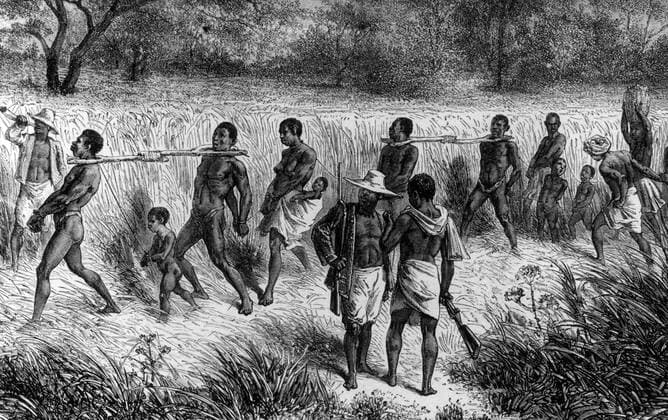
  • IMAGO History, Ende des afrikanischen Sklavenhandels und die Abschaffung der Sklaverei: 1807-1888 Slaves in convoy in West Africa, 1848 WorldxHistoryxArchive 917_05_WHA_092_0568
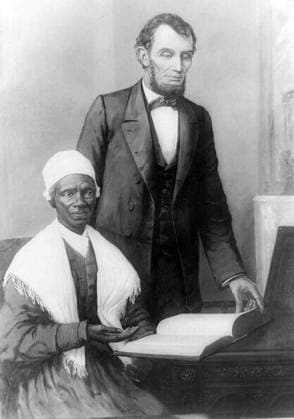
  • Sojourner Truth (c. 1797 – November 26, 1883) was the self-given name, from 1843, of Isabella Baumfree, an African-American abolitionist and women s rights activist. Pictured with President Abraham Lincoln in October 1864 WHA  !ACHTUNG AUFNAHMEDATUM GESCHÄTZT! Copyright: WHA UnitedArchives019873
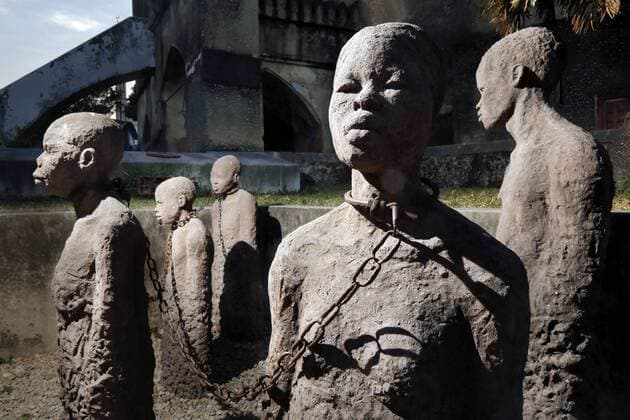
  • Sansibar: Sklavendenkmal von Clara Sornas vor der anglikanischen Kathedrale auf dem ehemaligen Sklavenmarkt in der historischen Altstadt Stone Town von Sansibar Tansania ---
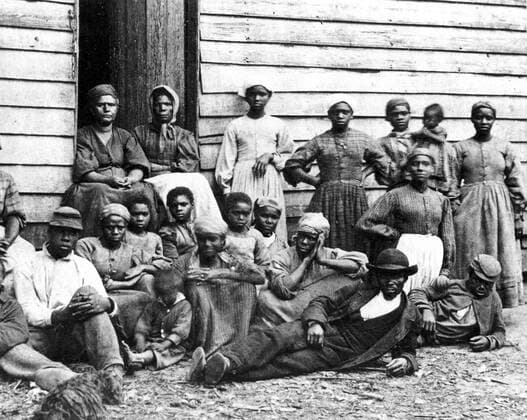
  • USA Slavery. Coutrabauds on Mr Foller s Farm- Cumberland 14th May 1862 UnitedArchives00223670