EditorialCreativeSportKollektionenVideos
Preise
0Anmelden

Visuelle Inhalte für Profis.
800 Mio.+ Bilder und Videos.

Content-Hub

  • Aktuelle Ereignisse
  • Bilder des Jahres
  • Sport
  • Editorial
  • Creative
  • Kollektionen
  • Videos

Angebote

  • Preise & Pakete
  • Aktionen
  • Enterprise
  • Newsletter
  • Blog
  • The Game Magazine

Services

  • Bildrecherche
  • Auftragsfotografie
  • API & FTP Push
  • my-picturemaxx
  • Partner werden

Unternehmen

  • Über IMAGO
  • Karriere
  • News

Hilfe-Center

  • FAQ
  • Kontakt
ImpressumNutzungsbedingungenLizenzinformationenDatenschutzDatenschutzeinstellungen
© 2026 IMAGO
CEPICBAPLABVPA
Zurück zu den Kollektionen

Start der NASA-Raumsonde Juno, 15. Jahrestag am 5. August

05.08.2026

Die folgenden Fotos wurden von der IMAGO Bildredaktion zu diesem Thema für Sie ausgewählt. Für weitere Bilder nutzen Sie bitte die Suchfunktion.
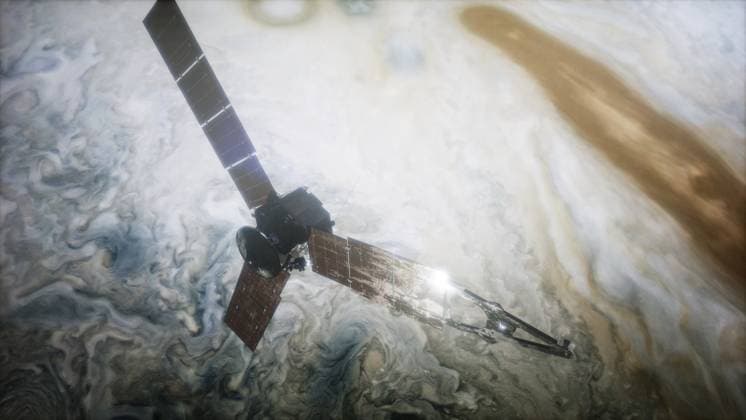
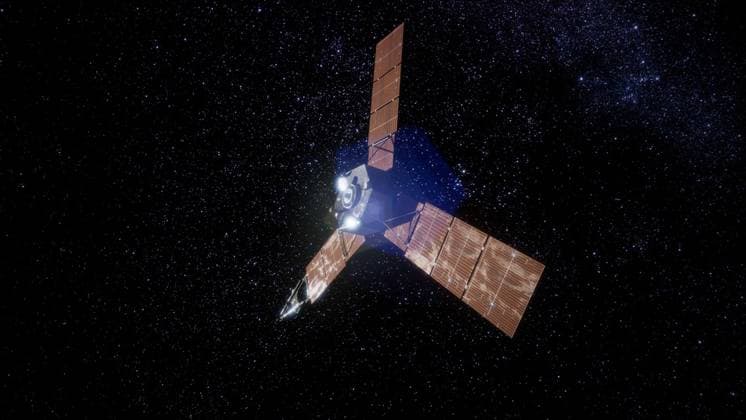
  • Junosatellit umkreist den Jupiter. Elemente dieses Bildes wurden von der NASA zur Verfügung gestellt Juno sattelite orbiting Jupiter. Elements of this image furnished by NASA Copyright: imageBROKER StanislavxRishnyak ibxiqx17546559.jpg
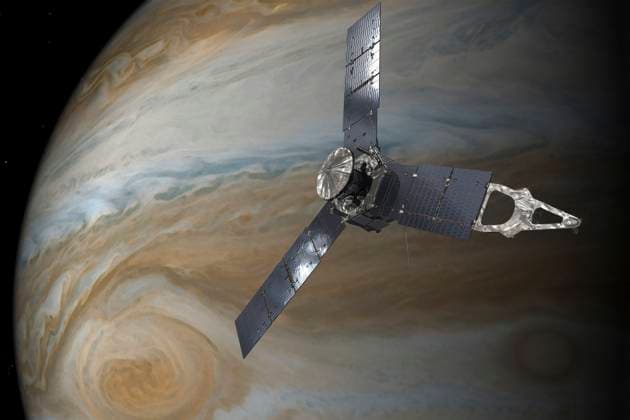
  • Illustration of the Juno spacecraft in orbit above Jupiter s Great Red Spot. Copyright: StocktrekxImages STK205359S
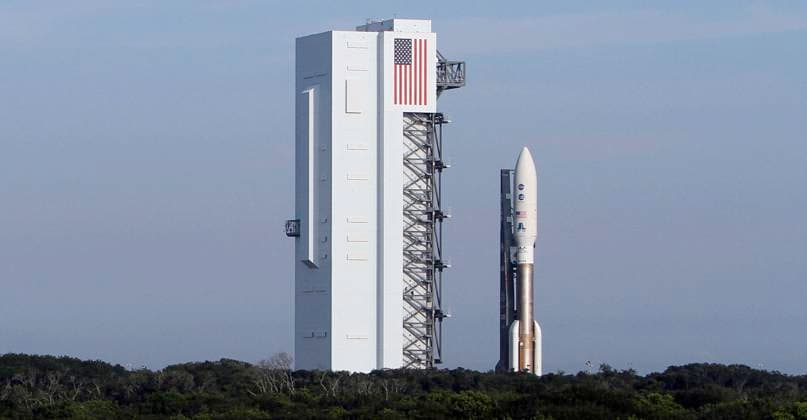
  • ATLAS V ROCKET An Atlas V rocket is rolled out Thursday, August 4, 2011 to launch pad 41 at Cape Canaveral Air Force Station. NASA S spacecraft Juno will travel 445 million miles and its primary goal is to reveal the formation and evolution of the planet Jupiter. The scientific spacecraft is scheduled to arrive to the planet Jupiter on July 4, 2016. (Red Huber Orlando Sentinel MCT) Cape Canveral FL USA EDITORIAL USE ONLY Copyright: xx 1109281 RedxHuberx krtphotoslive501345
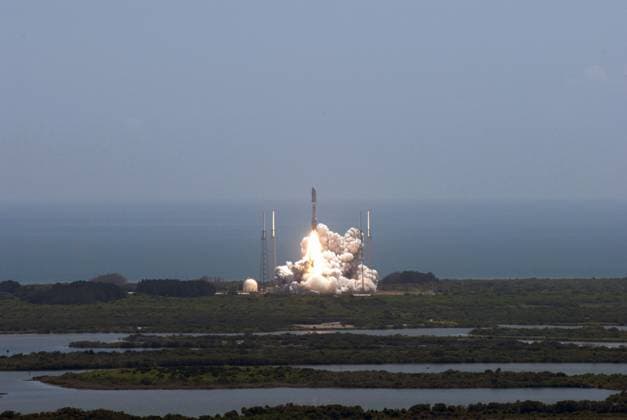
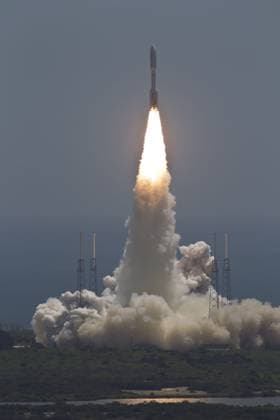
  • RECORD DATE NOT STATED CAPE CANAVERAL, Fla. -- Fire lights up a crystal-clear blue sky on Space Launch Complex 41 on Cape Canaveral Air Force Station in Florida as a United Launch Alliance Atlas V rocket lofts NASA s Juno planetary probe into space. Liftoff was at 12:25 p.m. EDT Aug. 5. The solar-powered spacecraft will orbit Jupiter s poles 33 times to find out more about the gas giant s origins, structure, atmosphere and magnetosphere and investigate the existence of a solid planetary core. Copyright: xpiemagsx piemagsnasaend23-2763 !ACHTUNG AUFNAHMEDATUM GESCHÄTZT!
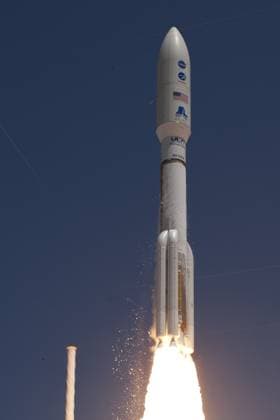
  • RECORD DATE NOT STATED CAPE CANAVERAL, Fla. -- NASA s Juno planetary probe, enclosed in its payload fairing, begins its five-year journey to Jupiter atop a United Launch Alliance Atlas V-551 launch vehicle from Space Launch Complex 41 on Cape Canaveral Air Force Station in Florida. Liftoff was at 12:25 p.m. EDT Aug. 5. The solar-powered spacecraft will orbit Jupiter s poles 33 times to find out more about the gas giant s origins, structure, atmosphere and magnetosphere and investigate the existence of a solid planetary core. NASA s Jet Propulsion Laboratory, Pasadena, Calif., manages the Juno mission for the principal investigator, Scott Bolton, of Southwest Research Institute in San Antonio. The Juno mission is part of the New Frontiers Program managed at NASA Copyright: xpiemagsx piemagsnasaend23-2756 !ACHTUNG AUFNAHMEDATUM GESCHÄTZT!
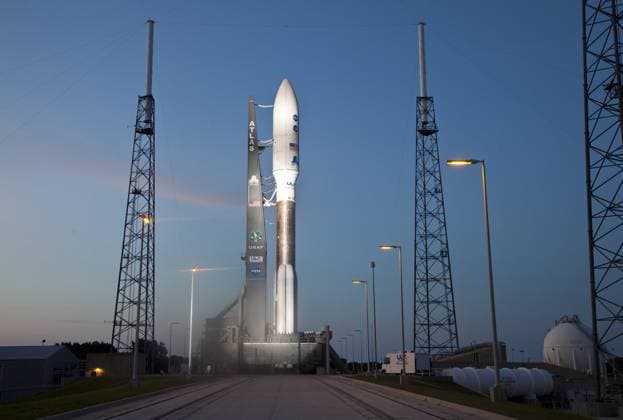
  • RECORD DATE NOT STATED CAPE CANAVERAL, Fla. -- As night descends on Space Launch Complex 41 at Cape Canaveral Air Force Station in Florida, the United Launch Alliance Atlas V-551 launch vehicle is being readied for launch. Atop the rocket is NASA s Juno planetary probe, enclosed in its payload fairing. Liftoff is planned during a launch window which extends from 11:34 a.m. to 12:43 p.m. EDT on Aug. 5. The solar-powered spacecraft will orbit Jupiter s poles 33 times to find out more about the gas giant s origins, structure, atmosphere and magnetosphere and investigate the existence of a solid planetary core. NASA s Jet Propulsion Laboratory, Pasadena, Calif., manages the Juno mission for the principal investigator, Scott Bolton, of Southwest Research Institute i Copyright: xpiemagsx piemagsnasaend23-2748 !ACHTUNG AUFNAHMEDATUM GESCHÄTZT!
  • Juno sattelite orbiting Jupiter. Elements of this image furnished by NASA. Juno sattelite orbiting Jupiter ,model released, Symbolfoto
  • FLO10805232. Cabo Canaveral, Florida.- La Administración Nacional de Aeronáutica y del Espacio (NASA) de Estados Unidos lanzó hoy la sonda espacial Juno en una viaje de cinco anos a Júpiter, para analizar la estructura y composición del mayor planeta del sistema solar. La sonda, valuada en mil 100 millones de dólares, partió con éxito a las 12:25 horas (16:25 GMT) desde Cabo Canaveral, Florida, a bordo de un cohete Atlas V. Una vez en el espacio seguirá su rumbo por inercia y por atracción gravitatoria de los planetas. NOTIMEX FOTO NASA COR SCI CABO CAÑAVERAL FLORIDA ESTADOS UNIDOS EDITORIAL USE ONLY Copyright: xx NTX13008000 NASAx notimexpix338388