EditorialCreativeSportKollektionenVideos
Preise
0Anmelden

Visuelle Inhalte für Profis.
800 Mio.+ Bilder und Videos.

Content-Hub

  • Aktuelle Ereignisse
  • Bilder des Jahres
  • Sport
  • Editorial
  • Creative
  • Kollektionen
  • Videos

Angebote

  • Preise & Pakete
  • Aktionen
  • Enterprise
  • Newsletter
  • Blog
  • The Game Magazine

Services

  • Bildrecherche
  • Auftragsfotografie
  • API & FTP Push
  • my-picturemaxx
  • Partner werden

Unternehmen

  • Über IMAGO
  • Karriere
  • News

Hilfe-Center

  • FAQ
  • Kontakt
ImpressumNutzungsbedingungenLizenzinformationenDatenschutzDatenschutzeinstellungen
© 2026 IMAGO
CEPICBAPLABVPA
Zurück zu den Kollektionen

Schrottteil von SpaceX-Rakete auf Mond eingeschlagen

05.08.2026

Die folgenden Fotos wurden von der IMAGO Bildredaktion zu diesem Thema für Sie ausgewählt. Für weitere Bilder nutzen Sie bitte die Suchfunktion.
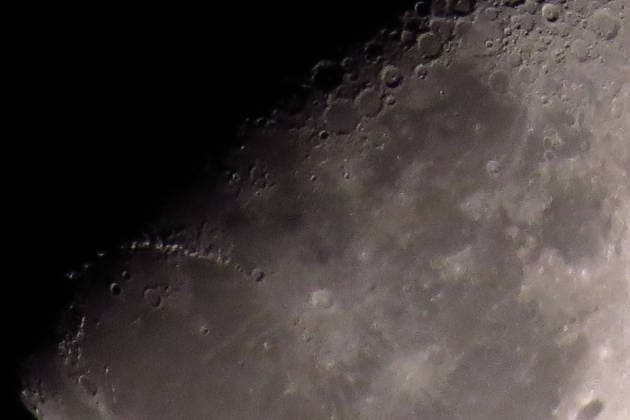
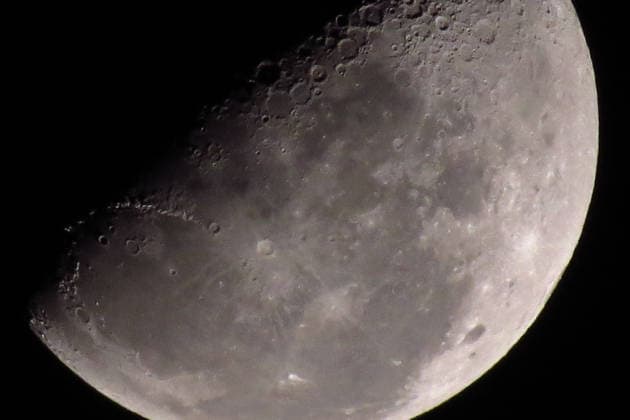
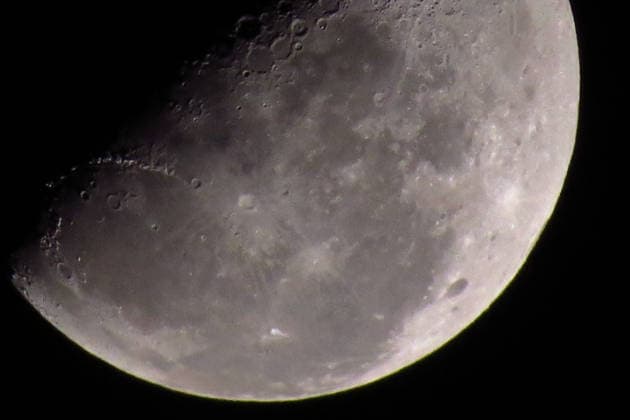
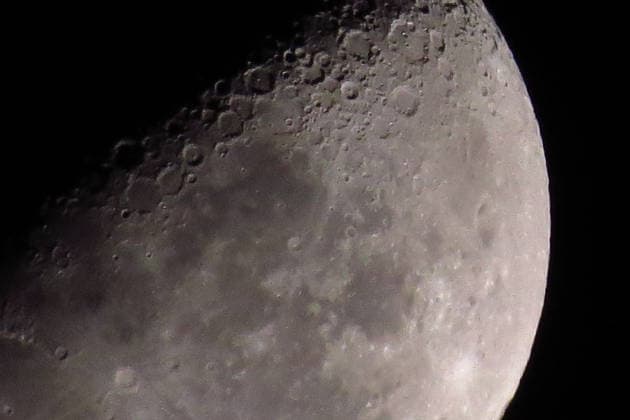
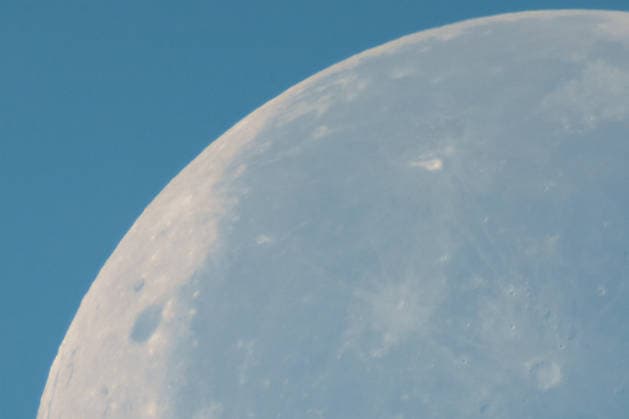
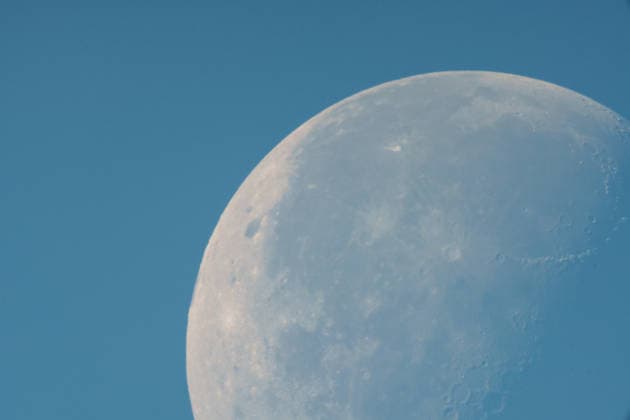
  • August 5, 2026, Sao Paulo, Sao Paulo, Brazil: Moon in August 5, 2026. SpaceX Falcon 9 lunar impact was not visible to thousands of people with telescopes and live streams on youtube. The collision hit the moon 06:35 UTC on August 5, 2026, near Einstein Crater. The 4-ton booster strikes at 5,400 mph (8.700 km h), it releases energy equal to 3 tons of TNT. August 5, 2026, in Sao Paulo, Brazil. Sao Paulo Brazil  - ZUMAd222 20260805_znp_d222_004 Copyright: xSauloxDiasx
  • August 5, 2026, Sao Paulo, Sao Paulo, Brazil: Moon in August 5, 2026. SpaceX Falcon 9 lunar impact was not visible to thousands of people with telescopes and live streams on youtube. The collision hit the moon 06:35 UTC on August 5, 2026, near Einstein Crater. The 4-ton booster strikes at 5,400 mph (8.700 km h), it releases energy equal to 3 tons of TNT. August 5, 2026, in Sao Paulo, Brazil. Sao Paulo Brazil  - ZUMAd222 20260805_znp_d222_003 Copyright: xSauloxDiasx
  • August 5, 2026, Sao Paulo, Sao Paulo, Brazil: Moon in August 5, 2026. SpaceX Falcon 9 lunar impact was not visible to thousands of people with telescopes and live streams on youtube. The collision hit the moon 06:35 UTC on August 5, 2026, near Einstein Crater. The 4-ton booster strikes at 5,400 mph (8.700 km h), it releases energy equal to 3 tons of TNT. August 5, 2026, in Sao Paulo, Brazil. Sao Paulo Brazil  - ZUMAd222 20260805_znp_d222_002 Copyright: xSauloxDiasx
  • August 5, 2026, Sao Paulo, Sao Paulo, Brazil: Moon in August 5, 2026. SpaceX Falcon 9 lunar impact was not visible to thousands of people with telescopes and live streams on youtube. The collision hit the moon 06:35 UTC on August 5, 2026, near Einstein Crater. The 4-ton booster strikes at 5,400 mph (8.700 km h), it releases energy equal to 3 tons of TNT. August 5, 2026, in Sao Paulo, Brazil. Sao Paulo Brazil  - ZUMAd222 20260805_znp_d222_001 Copyright: xSauloxDiasx
  • German astronomers observe the Moon while expecting Falcon 9 lunar impact. Germany - Kassel, 05.08.2026 The Moon during the morning hours as the Astronomical Working Group Kassel (Astronomischen Arbeitskreis Kassel e.V.) observe the Moon surface from their platform of the Observatory Kassel, during an international observation campaign following the predicted impact of a SpaceX Falcon 9 upper stage near the lunar Einstein crater. Astronomers around the world attempted to record the artificial lunar impact, which was expected after a discarded rocket stage entered a collision course with the Moon. Due to the observation conditions from Germany, no visible flash or ejecta plume could be detected. The observation was carried out using a Schae
  • German astronomers observe the Moon while expecting Falcon 9 lunar impact. Germany - Kassel, 05.08.2026 The Moon during the morning hours as the Astronomical Working Group Kassel (Astronomischen Arbeitskreis Kassel e.V.) observe the Moon surface from their platform of the Observatory Kassel, during an international observation campaign following the predicted impact of a SpaceX Falcon 9 upper stage near the lunar Einstein crater. Astronomers around the world attempted to record the artificial lunar impact, which was expected after a discarded rocket stage entered a collision course with the Moon. Due to the observation conditions from Germany, no visible flash or ejecta plume could be detected. The observation was carried out using a Schae
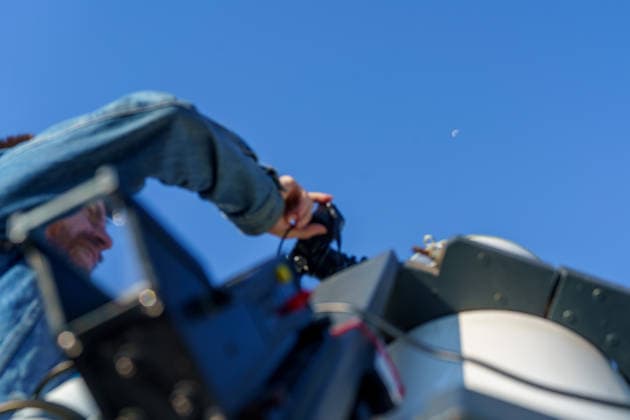
  • German astronomers observe the Moon while expecting Falcon 9 lunar impact. Germany - Kassel, 05.08.2026 Mark Woskowski from the Astronomical Working Group Kassel (Astronomischen Arbeitskreis Kassel e.V.) adjusts the telescope to observe the Moon surface from their platform of the Observatory Kassel, during an international observation campaign following the predicted impact of a SpaceX Falcon 9 upper stage near the lunar Einstein crater. Astronomers around the world attempted to record the artificial lunar impact, which was expected after a discarded rocket stage entered a collision course with the Moon. Due to the observation conditions from Germany, no visible flash or ejecta plume could be detected. Hesse
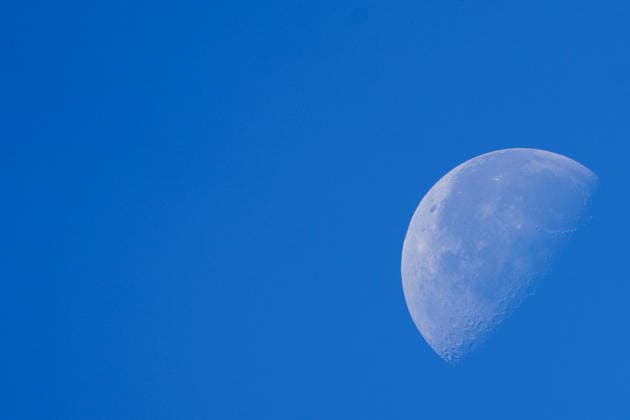
  • German astronomers observe the Moon while expecting Falcon 9 lunar impact. Germany - Kassel, 05.08.2026 The Moon during the morning hours as the Astronomical Working Group Kassel (Astronomischen Arbeitskreis Kassel e.V.) observe the Moon surface from their platform of the Observatory Kassel, during an international observation campaign following the predicted impact of a SpaceX Falcon 9 upper stage near the lunar Einstein crater. Astronomers around the world attempted to record the artificial lunar impact, which was expected after a discarded rocket stage entered a collision course with the Moon. Due to the observation conditions from Germany, no visible flash or ejecta plume could be detected. Hesse
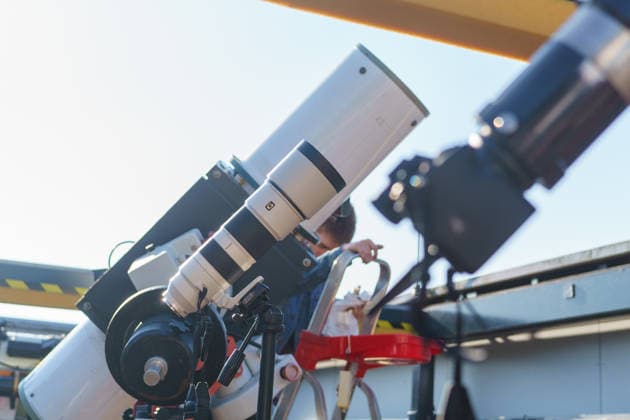
  • German astronomers observe the Moon while expecting Falcon 9 lunar impact. Germany - Kassel, 05.08.2026 The Astronomical Working Group Kassel (Astronomischen Arbeitskreis Kassel e.V.) observe the Moon surface from their platform of the Observatory Kassel, during an international observation campaign following the predicted impact of a SpaceX Falcon 9 upper stage near the lunar Einstein crater. Astronomers around the world attempted to record the artificial lunar impact, which was expected after a discarded rocket stage entered a collision course with the Moon. Due to the observation conditions from Germany, no visible flash or ejecta plume could be detected. Hesse