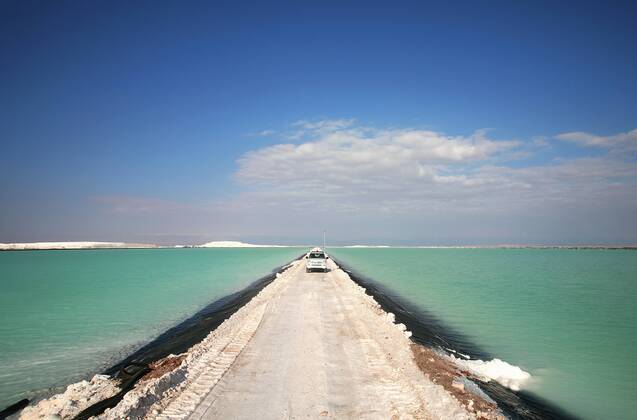
Bilder in dieser Kollektion
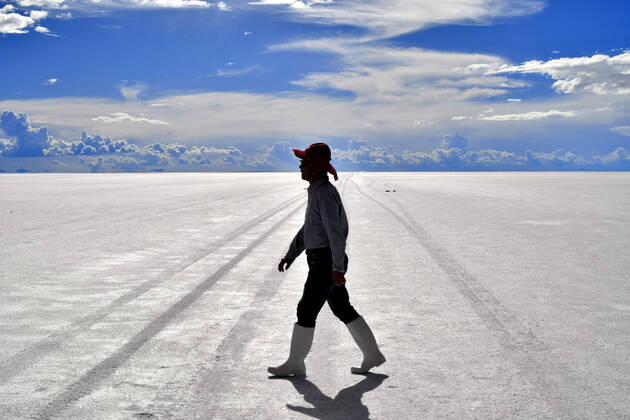
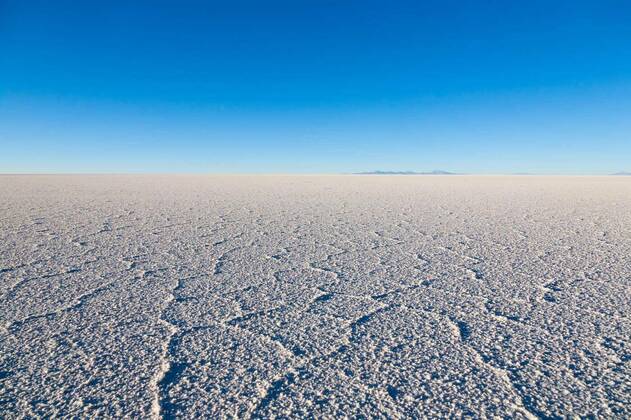
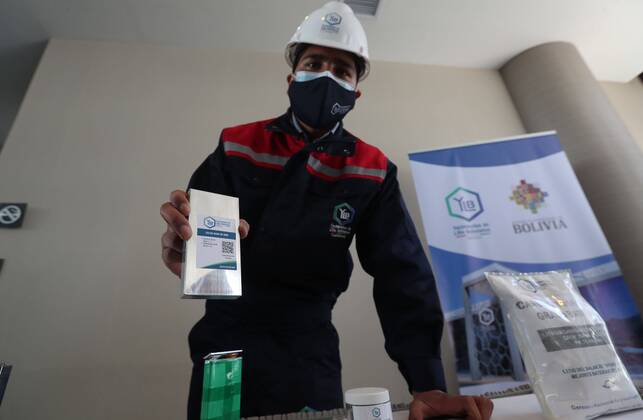
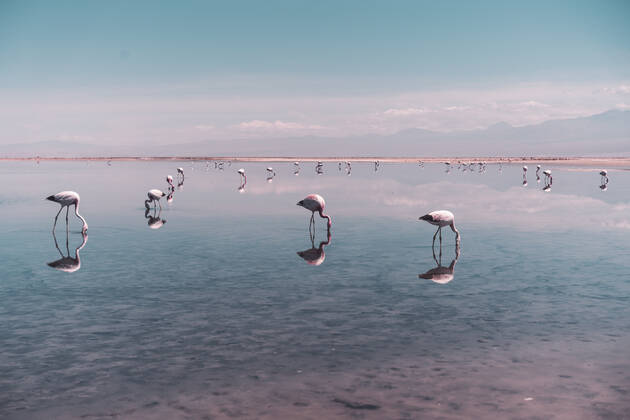
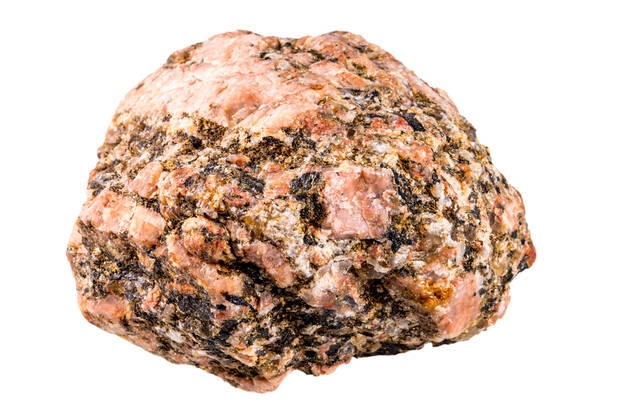
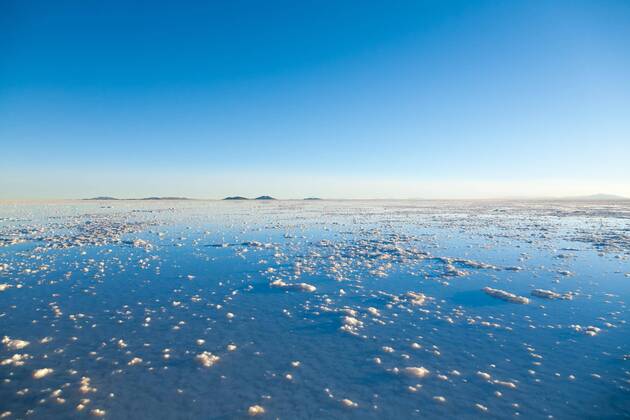
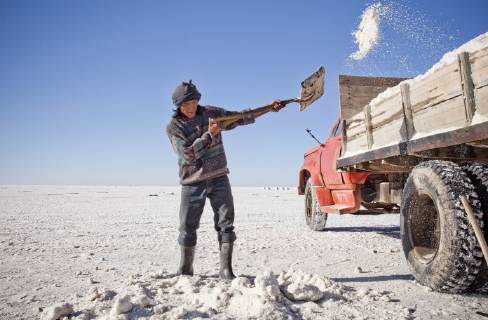
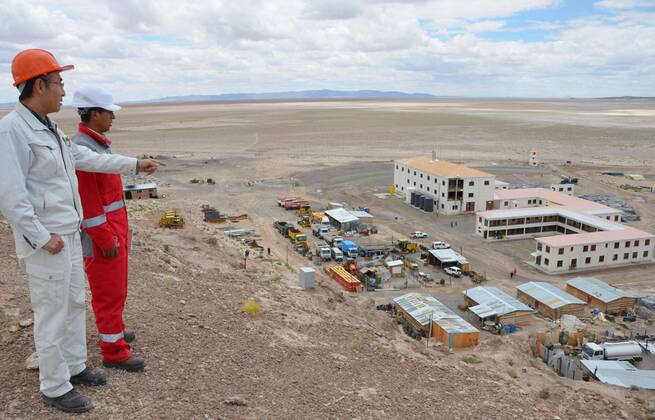
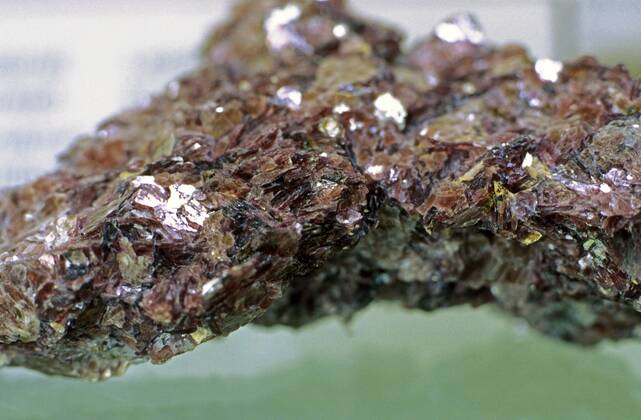
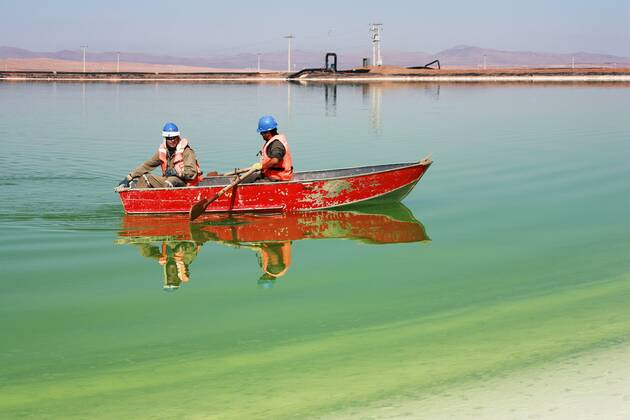
February 13, 2020, Potosi, Bolivia: Bolivian Salar de Uyuni is the world s largest salt flat, and one of the top s bolivian touristic atraction, with 10,582 square kilometers (4,086 sq mi). It is in the province of Potoso in southwest Bolivia, near the crest of the Andes at an elevation of 3,656 meters (11,995 ft) above sea level.The crust serves as a source of salt and covers a pool of brine, which is exceptionally rich in lithium. It contains approximatively 50% to 70% of the world s known lithium reserves. However, lithium extraction in the 1980s and 1990s by foreign companies met strong opposition from the local community. Locals believed that the money infused by mining would not reach them. For tourists, it s a point of Rally Dakar and an exceptional landscape. One of the photographic move there since around 15 years is to us - ZUMAl72_ 20200213_znp_l72_039 Copyright: xChristianxLombardix
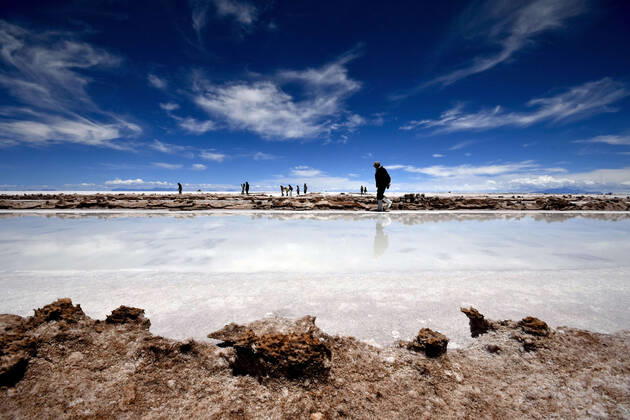
February 13, 2020, Potosi, Bolivia: Bolivian Salar de Uyuni is the world s largest salt flat, and one of the top s bolivian touristic atraction, with 10,582 square kilometers (4,086 sq mi). It is in the province of Potoso in southwest Bolivia, near the crest of the Andes at an elevation of 3,656 meters (11,995 ft) above sea level.The crust serves as a source of salt and covers a pool of brine, which is exceptionally rich in lithium. It contains approximatively 50% to 70% of the world s known lithium reserves. However, lithium extraction in the 1980s and 1990s by foreign companies met strong opposition from the local community. Locals believed that the money infused by mining would not reach them. For tourists, it s a point of Rally Dakar and an exceptional landscape. One of the photographic move there since around 15 years is to us - ZUMAl72_ 20200213_znp_l72_026 Copyright: xChristianxLombardix
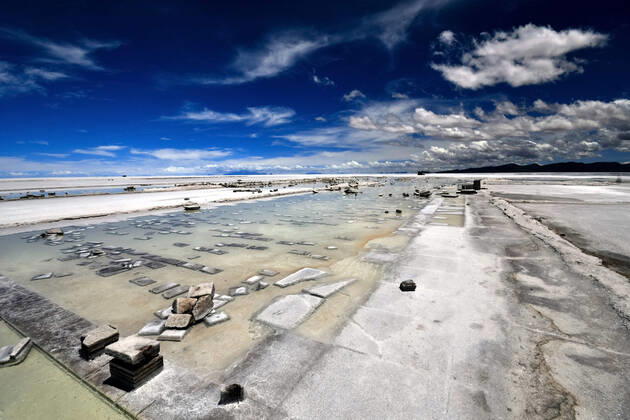
February 13, 2020, Potosi, Bolivia: Bolivian Salar de Uyuni is the world s largest salt flat, and one of the top s bolivian touristic atraction, with 10,582 square kilometers (4,086 sq mi). It is in the province of Potoso in southwest Bolivia, near the crest of the Andes at an elevation of 3,656 meters (11,995 ft) above sea level.The crust serves as a source of salt and covers a pool of brine, which is exceptionally rich in lithium. It contains approximatively 50% to 70% of the world s known lithium reserves. However, lithium extraction in the 1980s and 1990s by foreign companies met strong opposition from the local community. Locals believed that the money infused by mining would not reach them. For tourists, it s a point of Rally Dakar and an exceptional landscape. One of the photographic move there since around 15 years is to us - ZUMAl72_ 20200213_znp_l72_017 Copyright: xChristianxLombardix
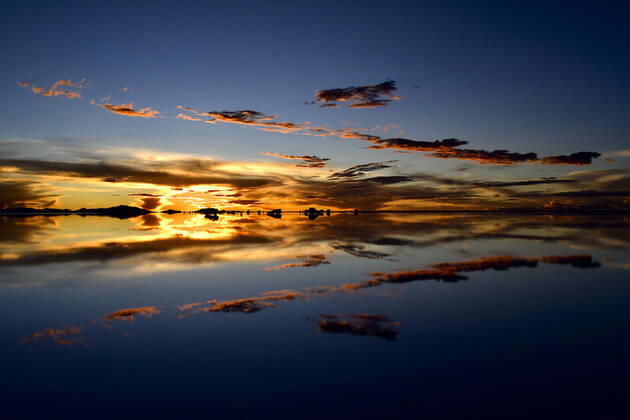
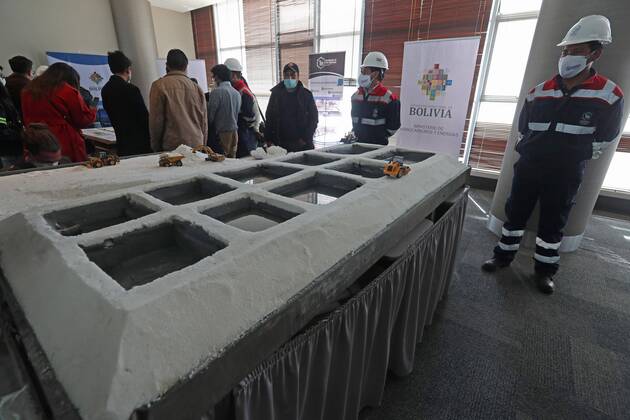
February 12, 2020, Potosi, Bolivia: Bolivian Salar de Uyuni is the world s largest salt flat, and one of the top s bolivian touristic atraction, with 10,582 square kilometers (4,086 sq mi). It is in the province of Potoso in southwest Bolivia, near the crest of the Andes at an elevation of 3,656 meters (11,995 ft) above sea level.The crust serves as a source of salt and covers a pool of brine, which is exceptionally rich in lithium. It contains approximatively 50% to 70% of the world s known lithium reserves. However, lithium extraction in the 1980s and 1990s by foreign companies met strong opposition from the local community. Locals believed that the money infused by mining would not reach them. For tourists, it s a point of Rally Dakar and an exceptional landscape. One of the photographic move there since around 15 years is to us - ZUMAl72_ 20200212_znp_l72_024 Copyright: xChristianxLombardix
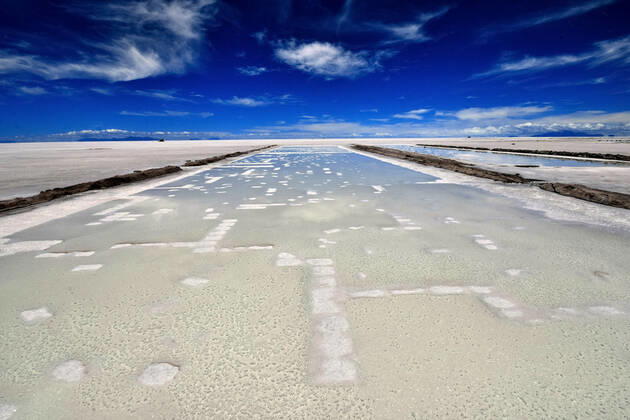
February 13, 2020, Potosi, Bolivia: Bolivian Salar de Uyuni is the world s largest salt flat, and one of the top s bolivian touristic atraction, with 10,582 square kilometers (4,086 sq mi). It is in the province of Potoso in southwest Bolivia, near the crest of the Andes at an elevation of 3,656 meters (11,995 ft) above sea level.The crust serves as a source of salt and covers a pool of brine, which is exceptionally rich in lithium. It contains approximatively 50% to 70% of the world s known lithium reserves. However, lithium extraction in the 1980s and 1990s by foreign companies met strong opposition from the local community. Locals believed that the money infused by mining would not reach them. For tourists, it s a point of Rally Dakar and an exceptional landscape. One of the photographic move there since around 15 years is to us - ZUMAl72_ 20200213_znp_l72_015 Copyright: xChristianxLombardix
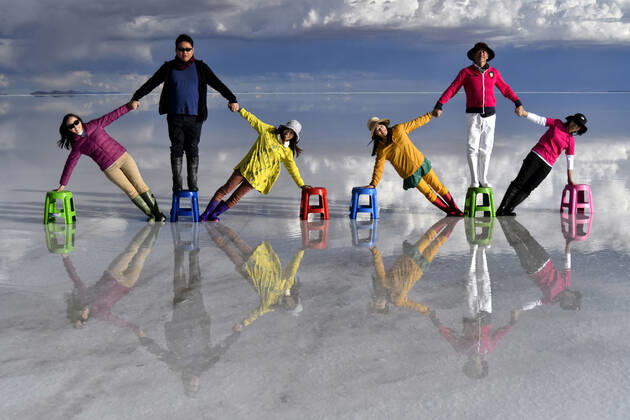
February 13, 2020, Potosi, Bolivia: Bolivian Salar de Uyuni is the world s largest salt flat, and one of the top s bolivian touristic atraction, with 10,582 square kilometers (4,086 sq mi). It is in the province of Potoso in southwest Bolivia, near the crest of the Andes at an elevation of 3,656 meters (11,995 ft) above sea level.The crust serves as a source of salt and covers a pool of brine, which is exceptionally rich in lithium. It contains approximatively 50% to 70% of the world s known lithium reserves. However, lithium extraction in the 1980s and 1990s by foreign companies met strong opposition from the local community. Locals believed that the money infused by mining would not reach them. For tourists, it s a point of Rally Dakar and an exceptional landscape. One of the photographic move there since around 15 years is to us - ZUMAl72_ 20200213_znp_l72_004 Copyright: xChristianxLombardix