Bilder in dieser Kollektion
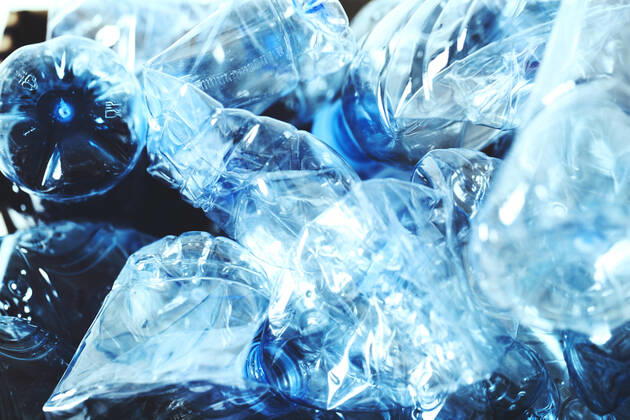
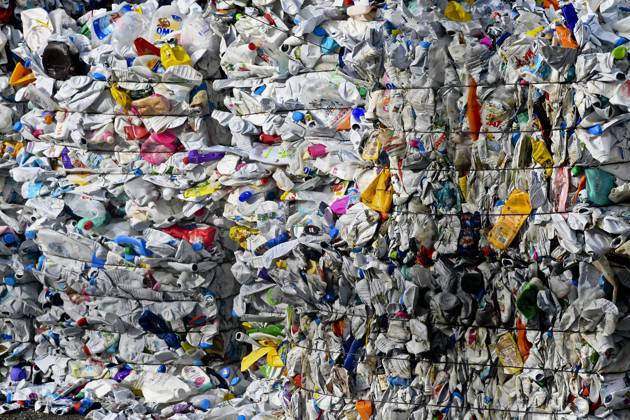
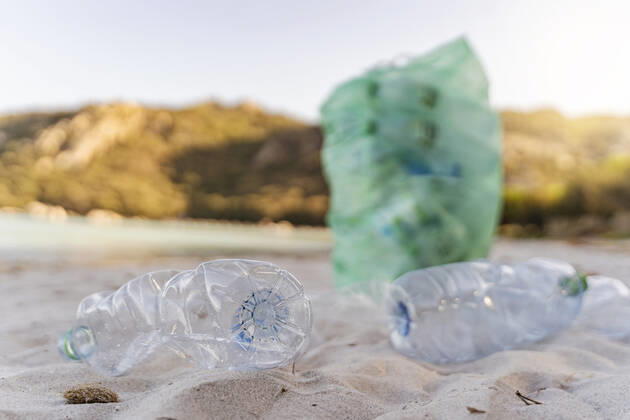
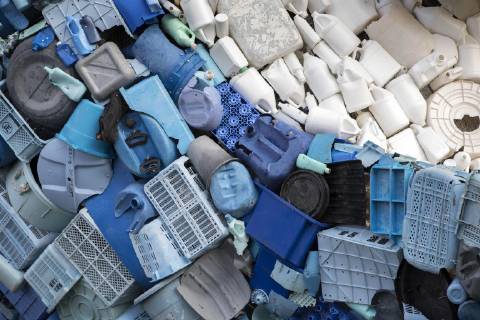
IMAGO Nature: Unsere Erde, Umweltverträgliche Herausforderungen, Plastikmüll Recycle. Used bottles of water , 16092336.jpg, plastic, bottle, water, recycling, waste, trash, container, garbage, recycle, transparent, used, blue, pollution, rubbish, ecology, eco, drink, liquid, background, white, recycled, environmental, environment, reuse, product, junk, dump, global, warming, industry, ecologic, cap, nobody, close-up, texture, details, empty,
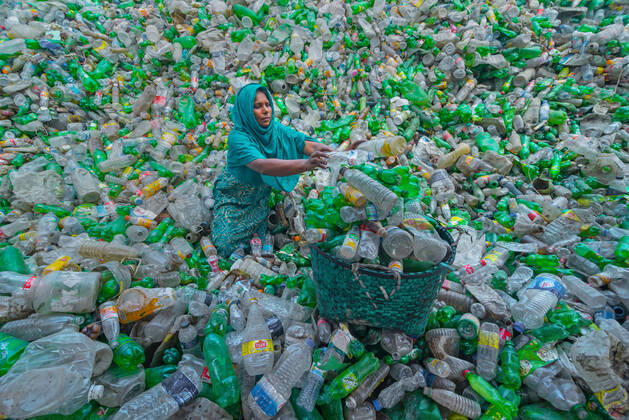
April 4, 2022, Noakhali, Chittagong, Bangladesh: A worker is sorting used plastic bottles in a recycling factory in Noakhali, Bangladesh. Plastic bottles used to package water take over 1,000 years to biodegrade and, if incinerated, produce toxic fumes. Floating plastic waste, which can survive for thousands of years in water, serves as mini transportation devices for invasive species, disrupting habitats. Plastic buried deep in landfills can leach harmful chemicals that spread into groundwater. So, Recycling of plastics is the best way to make the environment safe. Recycling reduces the pollution that can come from the chemicals used to make these bottles. It also helps cut down on the amount of trash thrown into landfills so our garbage d - ZUMAs231 20220404_zip_s231_009 Copyright: xJoyxSahax
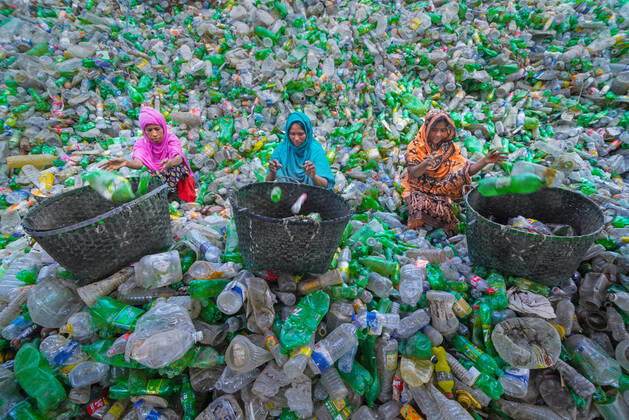
April 4, 2022, Noakhali, Chittagong, Bangladesh: Workers are sorting used plastic bottles in a recycling factory in Noakhali, Bangladesh. Plastic bottles used to package water take over 1,000 years to biodegrade and, if incinerated, produce toxic fumes. Floating plastic waste, which can survive for thousands of years in water, serves as mini transportation devices for invasive species, disrupting habitats. Plastic buried deep in landfills can leach harmful chemicals that spread into groundwater. So, Recycling of plastics is the best way to make the environment safe. Recycling reduces the pollution that can come from the chemicals used to make these bottles. It also helps cut down on the amount of trash thrown into landfills so our garbage d - ZUMAs231 20220404_zip_s231_004 Copyright: xJoyxSahax
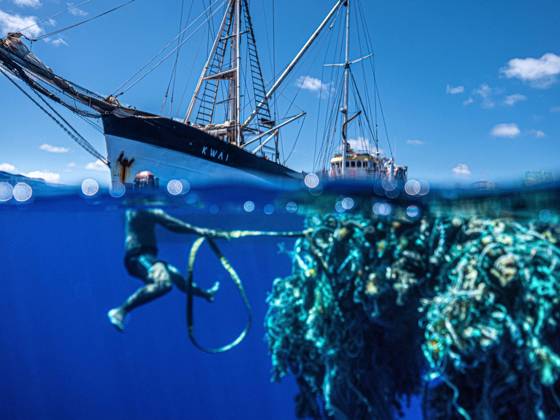
IMAGO Nature: Unsere Erde, Umweltverträgliche Herausforderungen, Plastikmüll May 22, 2020, North Pacific Subtropical Convergence Zone, Pacific Ocean: Crew members remove fishing nets and trash from the ocean. s marine plastic recovery vessel, S V KWAI, after a 48-day expedition, successfully removing 103 tons (206,000 lbs.) of fishing nets and consumer plastics from the North Pacific Subtropical Convergence Zone, more commonly known as the Great Pacific Garbage Patch or Gyre. has set a new record with the largest at sea clean-up in the Gyre ever done, and more than doubled its own record-setting results from last year. The Great Pacific Garbage Patch is a collection of marine debris in the North Pacific Ocean. Also known as the Pacific trash vortex, the garbage patch is actually two distinct collections of debri - ZUMAz03_ 20200522_zah_z03_564 Copyright: xOceanxVoyagesxInstitutex
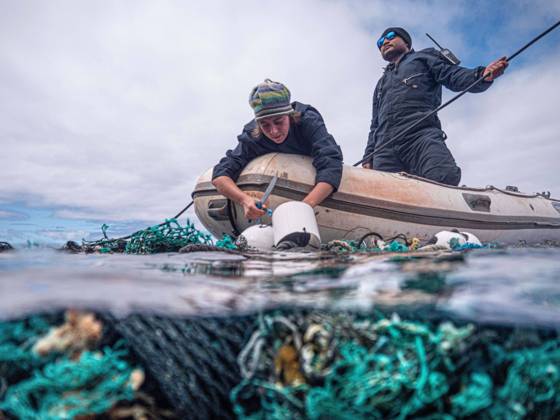
IMAGO Nature: Unsere Erde, Umweltverträgliche Herausforderungen, Plastikmüll May 22, 2020, North Pacific Subtropical Convergence Zone, Pacific Ocean: Crew members in a zodiac prepare to remove fishing nets and trash from the ocean. s marine plastic recovery vessel, S V KWAI, after a 48-day expedition, successfully removing 103 tons (206,000 lbs.) of fishing nets and consumer plastics from the North Pacific Subtropical Convergence Zone, more commonly known as the Great Pacific Garbage Patch or Gyre. has set a new record with the largest at sea clean-up in the Gyre ever done, and more than doubled its own record-setting results from last year. The Great Pacific Garbage Patch is a collection of marine debris in the North Pacific Ocean. Also known as the Pacific trash vortex, the garbage patch is actually two distin - ZUMAz03_ 20200522_zah_z03_556 Copyright: xOceanxVoyagesxInstitutex
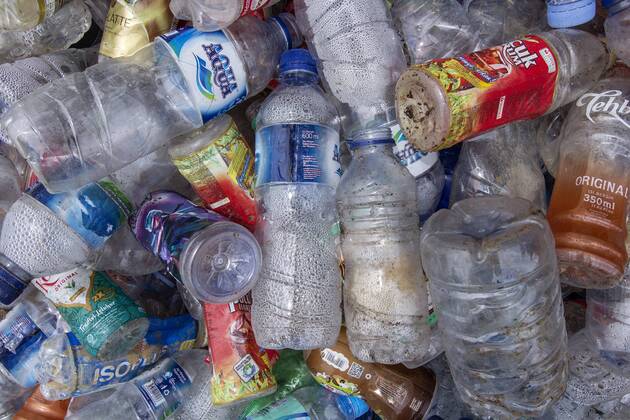
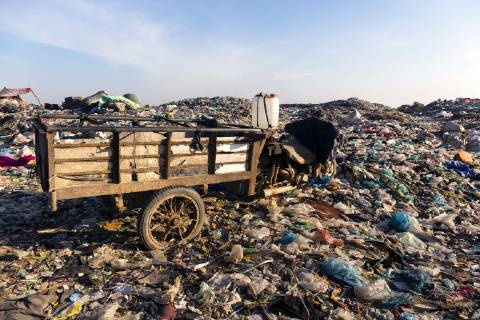
IMAGO Nature: Unsere Erde, Umweltverträgliche Herausforderungen, Plastikmüll August 1, 2019 - Lhokseumawe, Aceh, Indonesia - Stacks of used plastic bottles collected by scavengers in a garbage dump site in Lhokseumawe, Aceh province, Indonesia on August 1, 2019. Indonesia will produce around 66-67 million tons of waste by 2019. This number is higher than the previous year s total waste of only 64 million tons. Based on data from The World Bank in 2018, 87 cities on the coast of Indonesia contribute around 1, 27 million tons of waste to the sea, with a composition of plastic waste reaching 9 million tons and an estimated 3.2 million tons are plastic straws. Lhokseumawe Indonesia - ZUMAm250 20190801_sha_m250_450 Copyright: xZikrixMaulanax
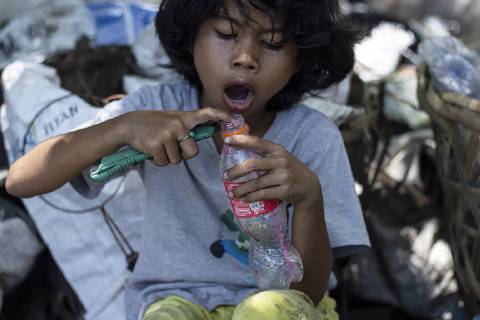
IMAGO Nature: Unsere Erde, Umweltverträgliche Herausforderungen, Plastikmüll April 21, 2019 - Lhokseumawe, Aceh, Indonesia - A child seen cleaning a plastic bottle trash for sale at a garbage dump site in Lhokseumawe, Aceh province, Indonesia..Based on a study by McKinsey and Co. and Ocean Conservancy, Indonesia is the number two plastic waste producing country in the world after China. The large amount of waste production, especially plastics sent to the Indonesian seas, directly contributes to making coastal areas and small islands dirty and full of garbage. Moreover, from the results of the study, it was found that the waste in the coastal area was dominated by plastic with a percentage of 36 to 38 percent. Lhokseumawe Indonesia - ZUMAs197 20190421_zab_s197_025 Copyright: xZikrixMaulanax
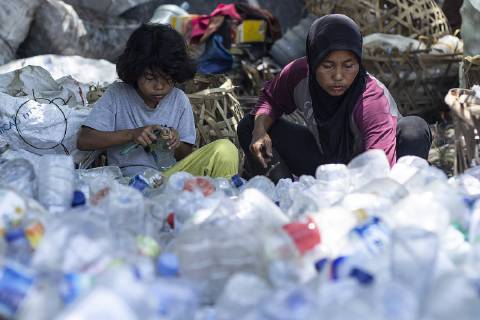
IMAGO Nature: Unsere Erde, Umweltverträgliche Herausforderungen, Plastikmüll April 21, 2019 - Lhokseumawe, Aceh, Indonesia - Mother and child seen cleaning plastic bottles for sale at a garbage dump site in Lhokseumawe, Aceh province, Indonesia..Based on a study by McKinsey and Co. and Ocean Conservancy, Indonesia is the number two plastic waste producing country in the world after China. The large amount of waste production, especially plastics sent to the Indonesian seas, directly contributes to making coastal areas and small islands dirty and full of garbage. Moreover, from the results of the study, it was found that the waste in the coastal area was dominated by plastic with a percentage of 36 to 38 percent. Lhokseumawe Indonesia - ZUMAs197 20190421_zab_s197_023 Copyright: xZikrixMaulanax
Netherlands - UTRECHT - 19 January 2019. A huge whale, made out of five tonnes of plastic from the Pacific Ocean, is located in the Utrecht Catharijne Singel. The animal is a statement against the gigantic amount of plastic waste that pollutes rivers, seas and oceans all over the world. At the initiative of the Faculty of Law, Economics, Governance and Organisation (REBO) of Utrecht University, the work of art is coming to Utrecht for six months. Marleen van Rijswick, professor of European and national Water Law and programme leader of the Utrecht Centre for water, oceans and sustainability law, was for a conference on sustainability in Bruges, where she saw the whale. She was impressed and explored the possibilities to get him to Utrecht. On Friday is the official opening of the work of art. Credit: Werry Crone Hollandse Hoogte Copyright: xHollandsexHoogtex xWerryxCronex x86107494x
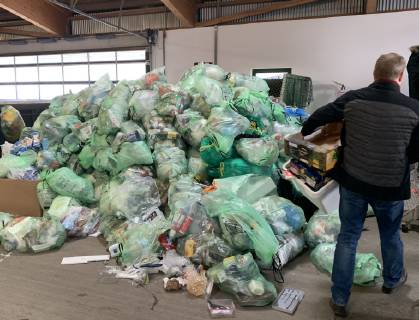
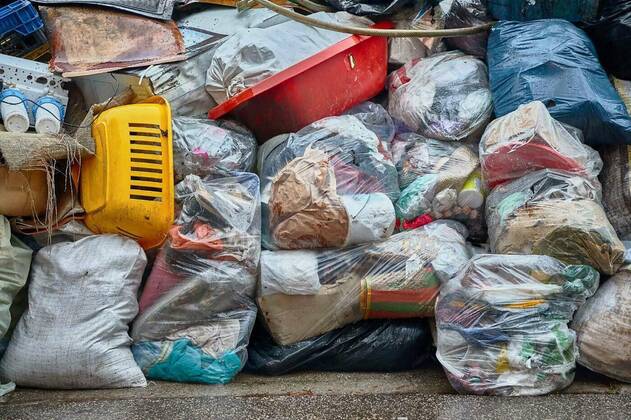
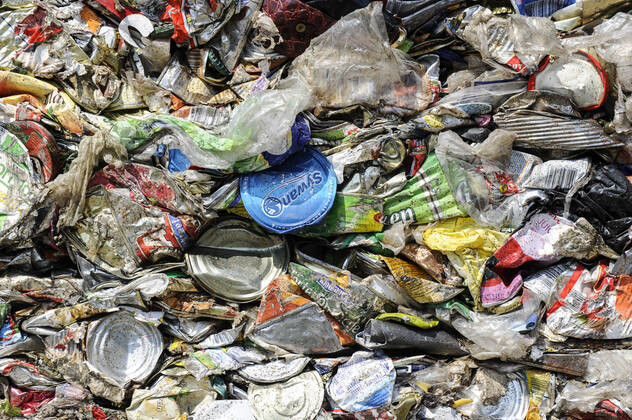
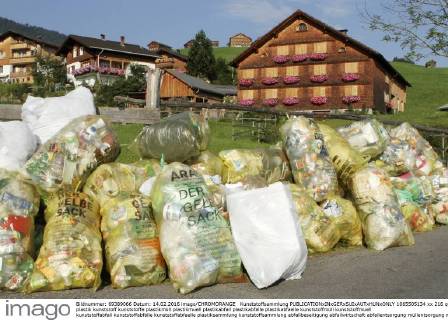
IMAGO Nature: Unsere Erde, Umweltverträgliche Herausforderungen, Plastikmüll Symbol, Illustration, Feature, plastic garbage in a recycling center in Marktoberdorf, Bavaria, Allgäu, Germany, January 08, 2019. Photographer: Peter Schatz