EditorialCreativeSportKollektionenVideos
Preise
0Anmelden

Visuelle Inhalte für Profis.
800 Mio.+ Bilder und Videos.

Content-Hub

  • Aktuelle Ereignisse
  • Bilder des Jahres
  • Sport
  • Editorial
  • Creative
  • Kollektionen
  • Videos

Angebote

  • Preise & Pakete
  • Aktionen
  • Enterprise
  • Newsletter
  • Blog
  • The Game Magazine

Services

  • Bildrecherche
  • Auftragsfotografie
  • API & FTP Push
  • my-picturemaxx
  • Partner werden

Unternehmen

  • Über IMAGO
  • Karriere
  • News

Hilfe-Center

  • FAQ
  • Kontakt
ImpressumNutzungsbedingungenLizenzinformationenDatenschutzDatenschutzeinstellungen
© 2026 IMAGO
CEPICBAPLABVPA
Zurück zu den Kollektionen

IMAGO History, Die schwersten Erdbeben, Japan, Tohoku-Region 2011

07.02.2023

Die folgenden Fotos wurden von der IMAGO Bildredaktion zu diesem Thema für Sie ausgewählt. Für weitere Bilder nutzen Sie bitte die Suchfunktion.
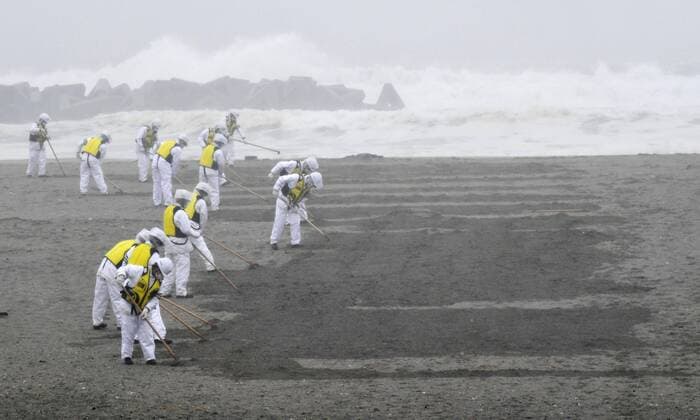
  • News Bilder des Tages Search for remains of people missing since 2011 tsunami Photo taken March 10, 2020, shows police officers searching on the coast of Arahama in Sendai, Miyagi Prefecture, for the remains of people who went missing after the March 2011 earthquake-tsunami disaster in northeastern Japan.
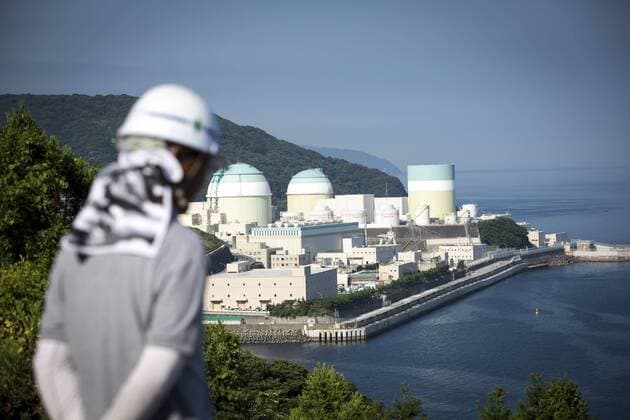
  • Bilder des Tages Japan: Kernreaktor Ikata 3 vor Wiederinbetriebnahme August 11, 2016 - Ikata, Ehime Prefecture, Japan - Ikata Nuclear Power Plant is seen on August 11, 2016 in Ikata, Ehime prefecture, northwestern Shikoku, Japan. The No. 3 reactor of the nuclear plant is expected to resume operations this week after The Nuclear Regulation Authority (NRA s) has completed it s final inspections of the plant s operational safety measures. The plant has not generated nuclear power since Japan s 2011 nationwide shutdown of all nuclear plants in the aftermath of the Fukushima Daiichi nuclear disaster. Ikata Nuclear Power Plant will be the third nuclear power plant in Japan to become operational. Ikata Japan  - ZUMAn230
  • (FILE PHOTO) Tomioka, Japan - A photo released on February 28, 2012 shows a general view of the destruction inside the Fukushima nuclear zone. Naoto Matsumura (52) is a rice farmer living alone about 12km away from the crippled Fukushima Dai Ichi nuclear power plant. This puts him well within the government imposed danger exclusion zone but he has refused steadfastly to evacuate from his hometown, Tomioka since the March 11th 2011 disaster happened. Before the nuclear crisis took hold his town was home to 16,000 but now Matsumura-san is the only inhabitant. He has been surviving on canned food cooked on a gas stove and provided by volunteers as he still has no electric power. Most of his days are spent looking after abandoned animals including pets and farm animals left by victims and evacuees. These are his only company. He requested help from the government for this but was told that a  ( 20151796)
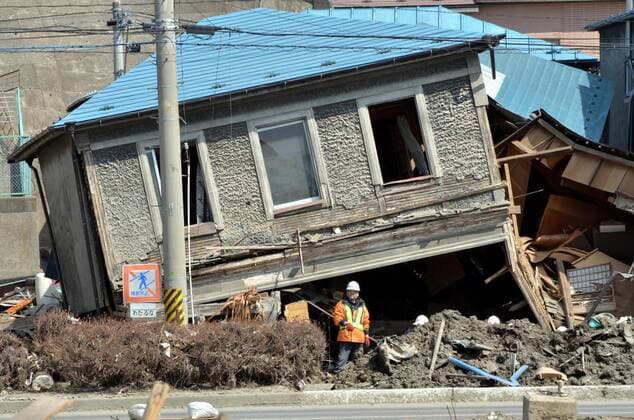
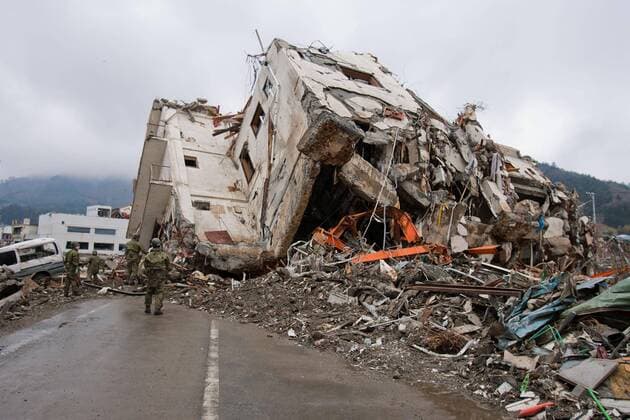
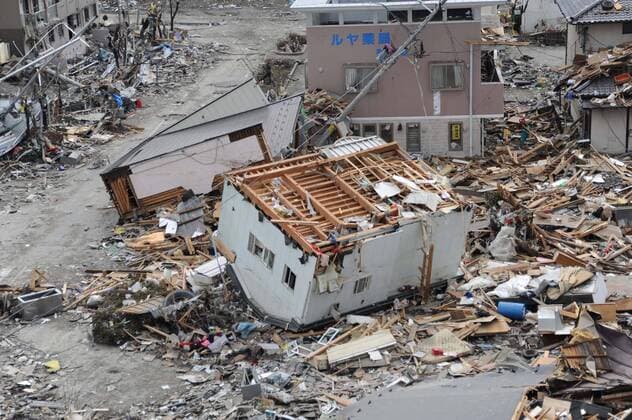
  • April 1st, 2011, Miyako, Japan - The upstairs of a two-story townhouse sits precariously in Miyako City, Iwate Prefecture, on April 1, 2011, three weeks after the city was devastated by a magnitude 9.0 earthquake and ensuing tsunami.  (ayfa004605)
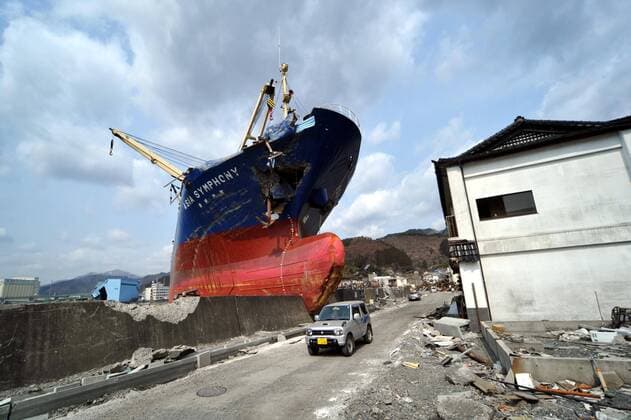
  • April 1st, 2011, Kamaishi, Japan - A small van goes by the looming bow of Asia Symphony, a Panamanian ocean going vessel being left aground on the wharf in the port of Kamaishi , Iwate Prefecture, on April 1, 2011, three weeks after this major northeastern Japanese port was destroyed by a magnitude 9.0 earthquake and ensuing tsunami.  (ayfa004588)
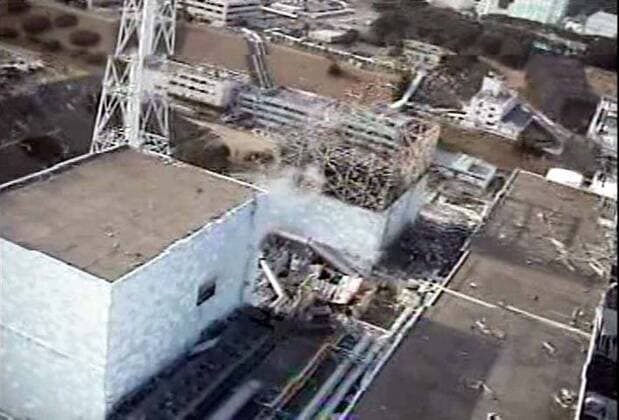
  • June 19th, 2011, Okumamachi, Japan - Steam rises from No. 2 reactor building of the crippled Fukushima No. 1 nuclear power plant in Okumamachi, Fukushima Prefecture, some 210km northeast of Tokyo, in this photo taken by the plant operator Tokyo Electric Power Co. on April 19, 2011. The utility company, known as TEPCO, opened the airlock of the No. 2 reactor building on Sunday, June 18 to ease sauna-like conditions inside so people can work there to cool the runaway reactor which has suffered a meltdown shortly after the plant was hit by an earthquake and tsunami on March 11. TEPCO claimed the venting would not harm the environment.  ( 8900)
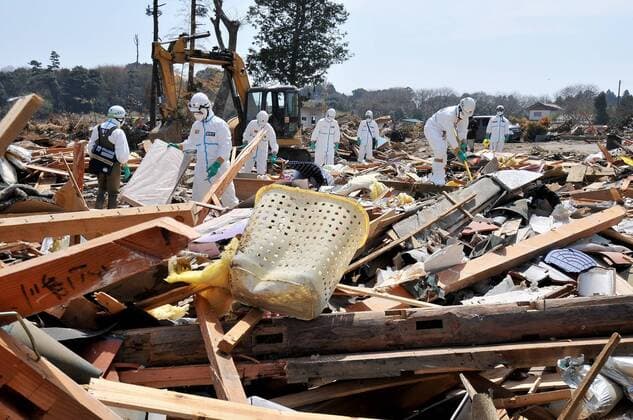
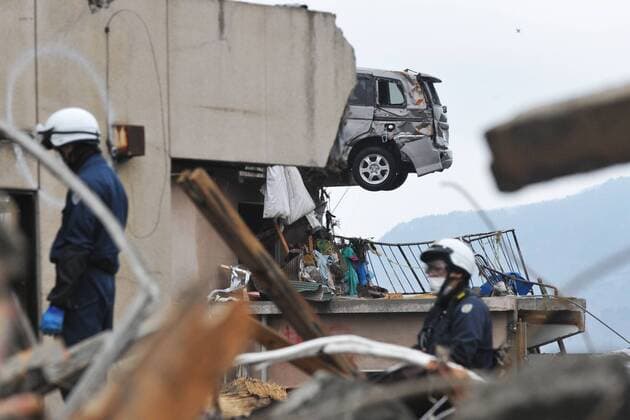
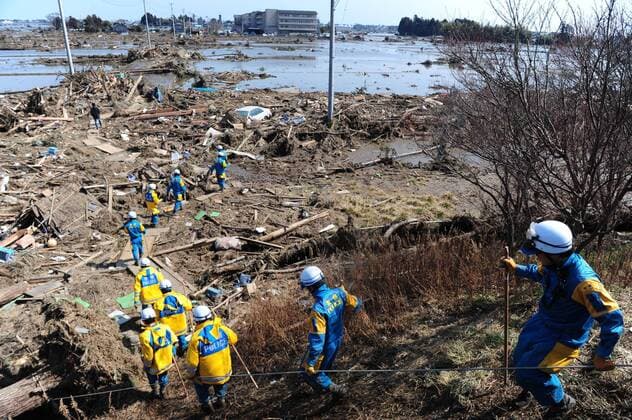
  • April 15, 2011, Minami - Soma, Japan - Wearing protective gear, a police search party shift through debris as they search for missing people in Minami-Soma, Fukushima Prefecture, on Friday, April 15, 2011. Southern half of the town falls within the 20km radius from the crippled Fukushima No. 1 nuclear power plant, where residents have been ordered to evacuate. More than 2,200 people have been missing in Fukushima Prefecture alone since an earthquake and tsunami hit Japan northeastern region on March 11.  ( quba002239)
  • Onagawa, Japan - A photo made available on April 11 shows Japanese Self-Defense Force members perform a search in an area damaged by the devastating March 11 earthquake and tsunami that rocked the northern part of Japan.  ( xjrb000777)
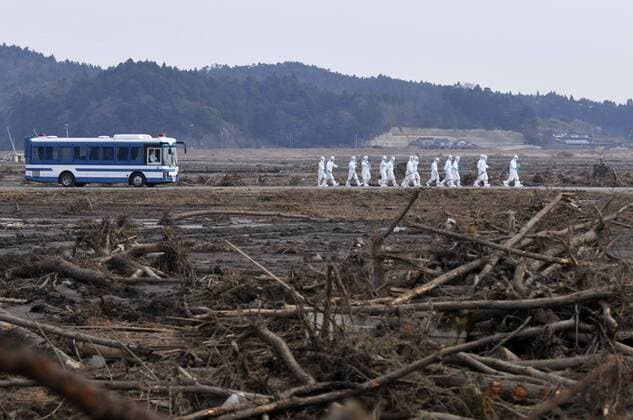
  • Japanese police wearing chemical protection suit search for victims inside the 20 kilometer radius around the Fukushima Dai-ichi nuclear power plant in Minamisoma, Fukushima prefecture, Japan, on April 7, 2011.  TKP2011041509
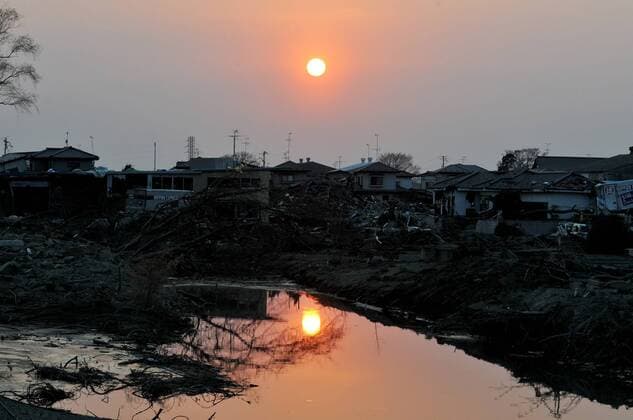
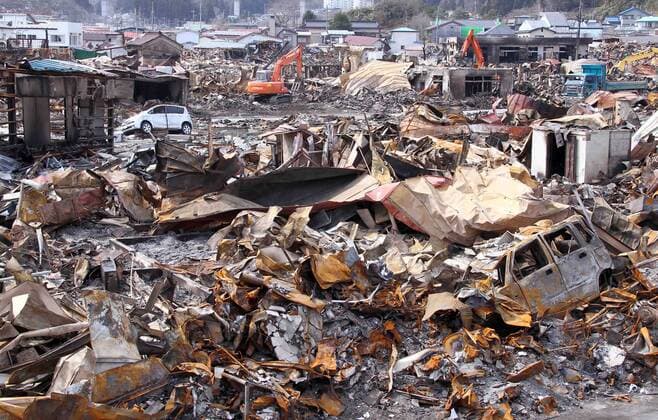
  • Destruction is seen as the sun goes down in Ishinomaki, Miyagi prefecture, Japan, on April 14, 2011. The area is still recovering from the massive 9.0 earthquake and tsunami last month.  TKP20110414122
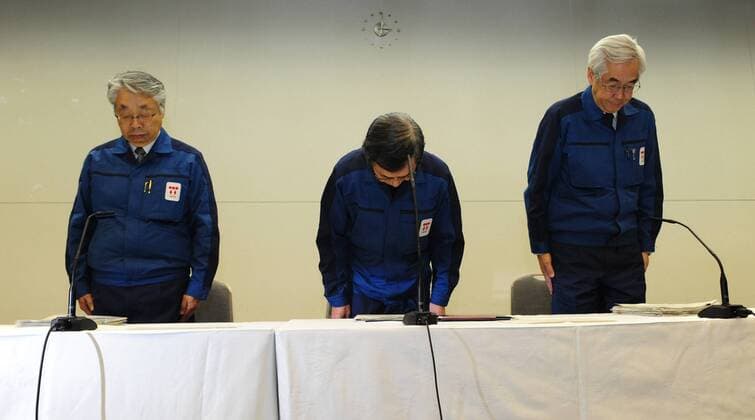
  • (110413) -- TOKYO, April 13, 2011 (Xinhua) -- Masataka Shimizu (C), the President of Tokyo Electric Power Co. (TEPCO), attends a press conference at TEPCO headquarters in Tokyo, Japan, on April 13, 2011. The President of Tokyo Electric Power Co. (TEPCO), owner of the crippled Fukushima No. 1 nuclear power plant in Japan, apologized for a nuclear emergency at the facility which is leaking radioactive substances, at a news conference Wednesday. (Xinhua Ji Chunpeng) (zcc) JAPAN-TOKYO-TEPCO-APOLOGY
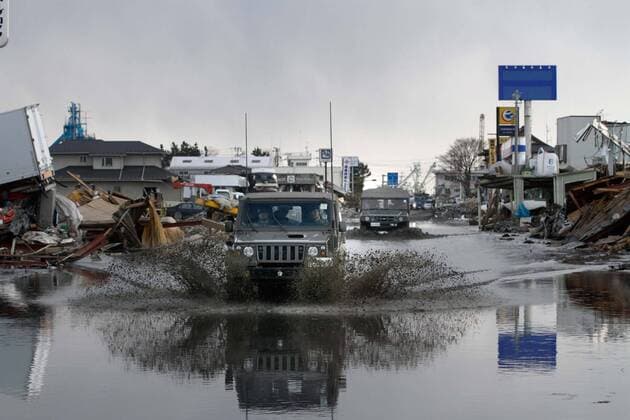
  • March 28, 2011, Ishonomaki, Japan - Military vehicles splash waters as they drive through the quake-devastated city of Ishinomaki, Miyagi prefecture, on Monday, March 28, 2011, as reconstruction efforts have started Ishinomaki, an industrial port some 350km northeast of Tokyo, is one of the hardest-hit areas in northeast Japan by the March 11 magnitude 9.0 earthquake and the subsequent 10-meter tsunami. Much of the town still remains submerged in muddy waters, which have hampered the efforts of people searching for missing kin and reconstruction.  (uukb001078)
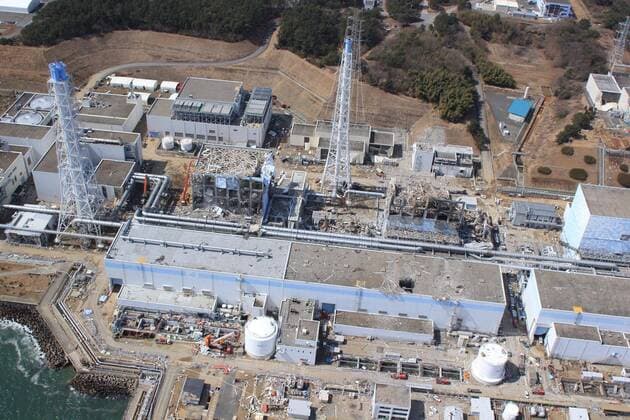
  • In this March 20, 2011 aerial photo taken by small unmanned drone and released by AIR PHOTO SERVICE, the crippled Fukushima Dai-ichi nuclear power plant is seen in Okumamachi, Fukushima prefecture, northern Japan. From right to left, Unit 1 through Unit 4.  (pvaa012478)
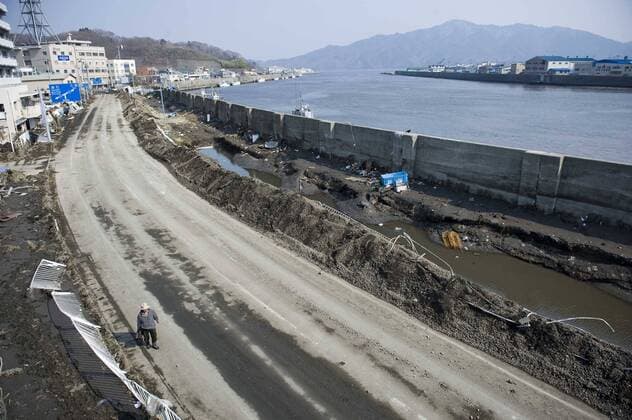
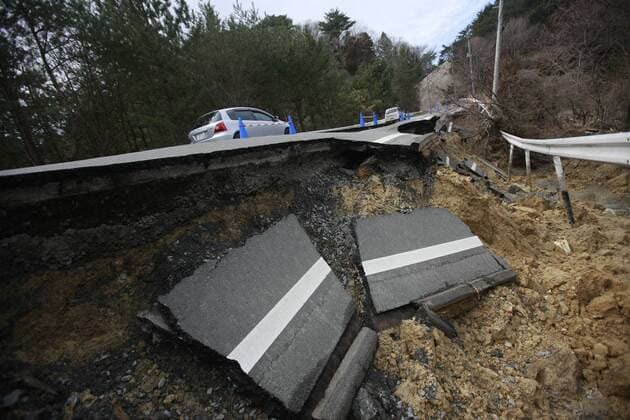
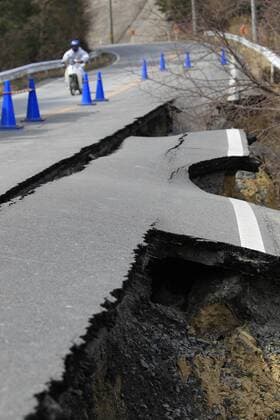
  • MIYAGI, March 23, 2011 (Xinhua) -- A road is severely damaged in Oshika Peninsula, Miyagi Prefecture, Japan, March 23, 2011. The Oshika Peninsula slip southeast about 5.3 meters and subside about 1.2 meters after the massive quake on March 11. (Xinhua Ren Zhenglai) JAPAN-MIYAGI-OSHIKA PENINSULA-DAMAGE
  • MIYAGI, March 23, 2011 (Xinhua) -- Cracks are seen on a road in Oshika Peninsula, Miyagi Prefecture, Japan, March 23, 2011. The Oshika Peninsula slip southeast about 5.3 meters and subside about 1.2 meters after the massive quake on March 11. (Xinhua Ren Zhenglai) JAPAN-MIYAGI-OSHIKA PENINSULA-DAMAGE
  • (110322) -- IWATE(JAPAN), March 22, 2011 (Xinhua) -- Excavators work on debris in quake-devastated Iwate Prefecture, Japan, on March 22, 2011. (Xinhua Chen Jianli) (lyx) JAPAN-IWATE-QUAKE-CLEARANCE
  • (110322) -- IWATE (JAPAN), March 22, 2011 (Xinhua) -- Rescuers work in quake-devastated Iwate Prefecture, Japan, on March 21, 2011. The tsunami disaster has actually inundated a large area behind the board. The National Police Agency said Tuesday that the catastrophic earthquake and ensuing tsunami have left 9,079 people dead and 12,645 others unaccounted for in Japan by 12:00 local time (0300 GMT). (Xinhua Huang Xiaoyong) (lr) JAPAN-IWATE-QUAKE-AFTERMATH
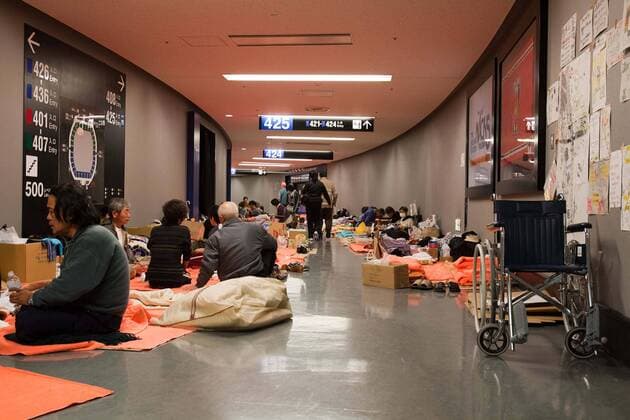
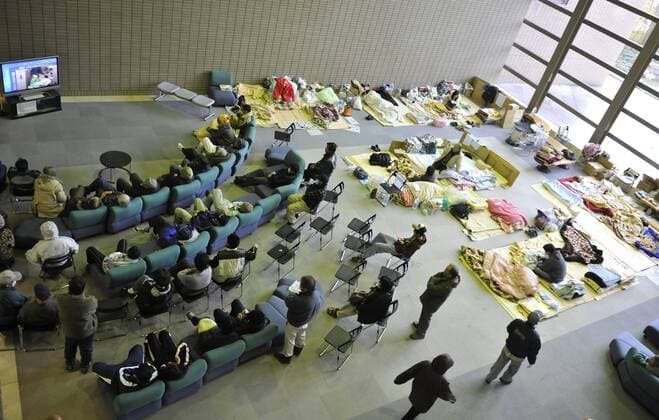
  • Saitama, Japan - A photo made available on March 22, 2011 shows evacuees from Fukushima along the hallways at Saitama Super Arena, a temporary shelter in Saitama, north of Tokyo. Thousands of residents from Fukushima evacuated their town as high levels of radiation continued to be a high risk from the quake-hit nuclear plant.  (XJRB-EvacueesatSaitamaSuperArena011)
  • (110320) -- FUKUSHIMA, March 20, 2011 (Xinhua) -- Japanese watch news on TV inside a sports park used as a makeshift shelter in Fukushima, Japan, March 19, 2011. Residents around the Fukushima No. 1 nuclear power plant were evacuated to shelters to avoid radioactive hurt after nuclear leakage. Evacuees here were waiting in calm and orderliness for going back home. (Xinhua Huang Xiaoyong) (ybg) JAPAN-FUKUSHIMA-SHELTER-LIFE
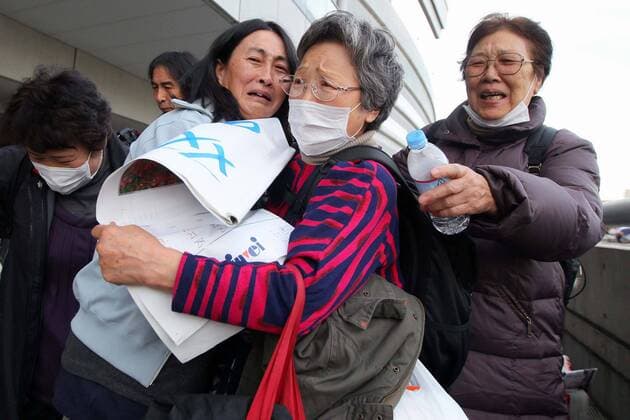
  • March 19th 2011 - Refugees from Futaba-cho, Fukushima - which was devastated by The 2011 Tohoku earthquake and tsunami on March 11th - arrive at Saitama Super Arena in Saitama City Japan where they will be housed for the forseeable future. Many had spent the past week in temporary shelters without adequate supplies and heat. Volunteers awaited to help foreigners who didn t understand Japanese and there were some tearful reunions. (The lady pictured wearing a mask was waiting to see her relative). As well as being destoyed by the tsunami, Futaba-cho was also just outside the nuclear exclusion zone and the refugees were glad to be abe to move away. (Photo - Yusuke Nakanishi Aflo)  ( aflo1090_110319_0202)
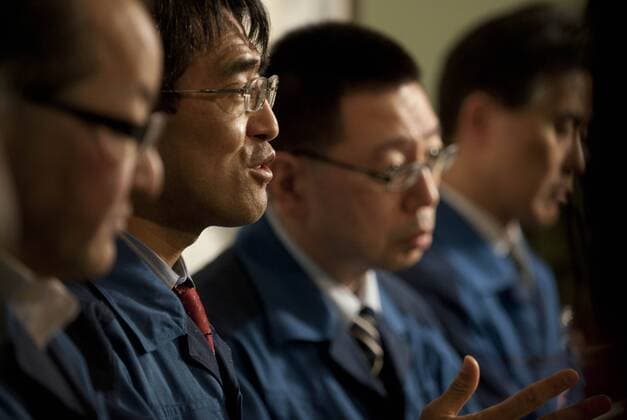
  • (110319) -- FUKUSHIMA, March 19, 2011 (Xinhua) -- Experts of Tokyo Electric Power Co. (TEPCO) attend a press conference held by TEPCO at the disaster countermeasures unit in Fukushima, Japan, March 19, 2011. (Xinhua Huang Xiaoyong) (ybg) JAPAN-FUKUSHIMA-TEPCO-PRESS CONFERENCE
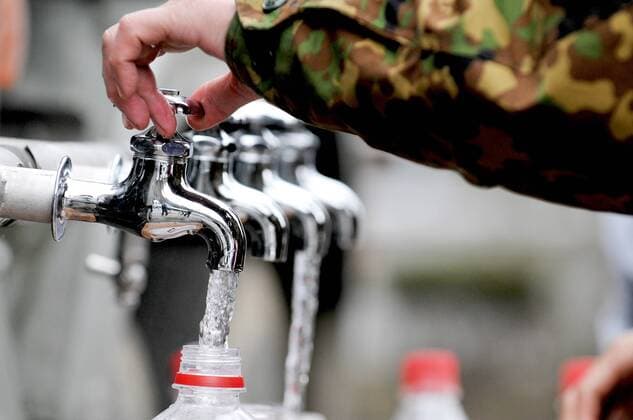
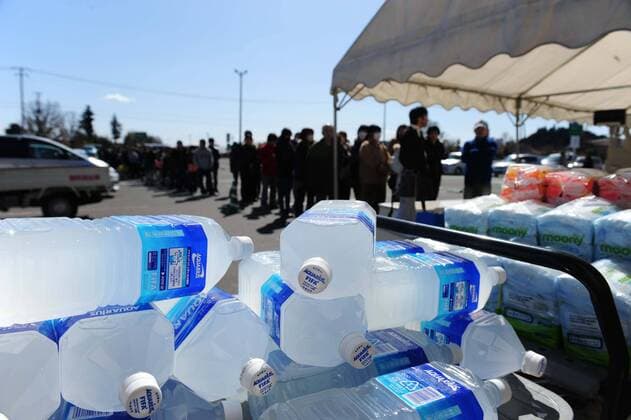
  • Members of Japan Ground Self-Defense Force supply with water for victims of the earthquake and tsunami that devastated the country, at the city office of Ofunato, Iwate prefecture, Japan, on March 17, 2011.  TKP2011031719
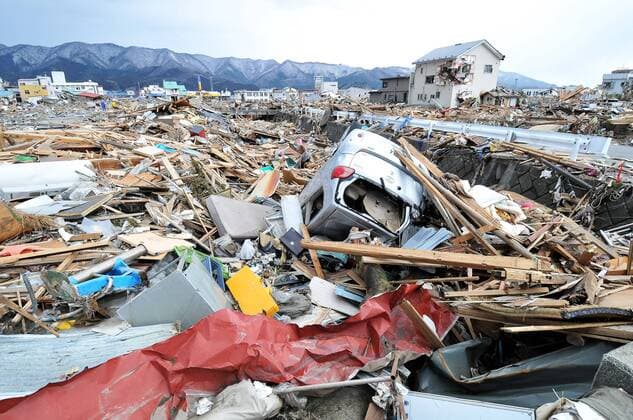
  • Destruction is seen in the wake of last week s 8.9 magnitude earthquake and tsunami in Ofunato, Iwate prefecture, Japan, on March 17, 2011.  TKP2011031716
  • Destruction is seen in the wake of last week s 8.9 magnitude earthquake and tsunami in Ofunato, Iwate prefecture, Japan, on March 17, 2011.  TKP2011031709
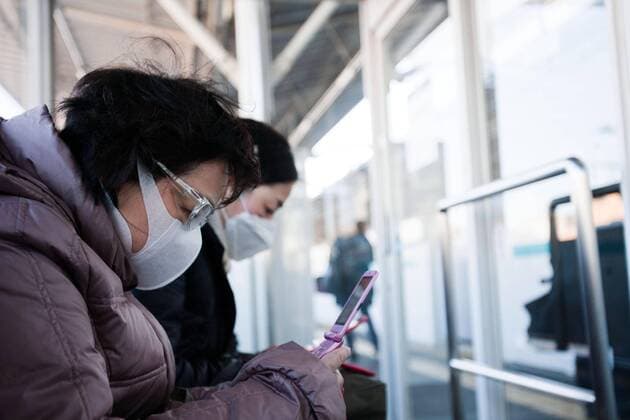
  • March 17, 2011, Tokyo, Japan - A Japanese commuter is seen wearing a mask and goggles to protect herself from the high radiation levels that drifted to Tokyo from the quake-hit nuclear plant in Fukushima. The radiation fears has caused many people to flee from the city to the southern regions of Japan and overseas.  (xjrb000720)
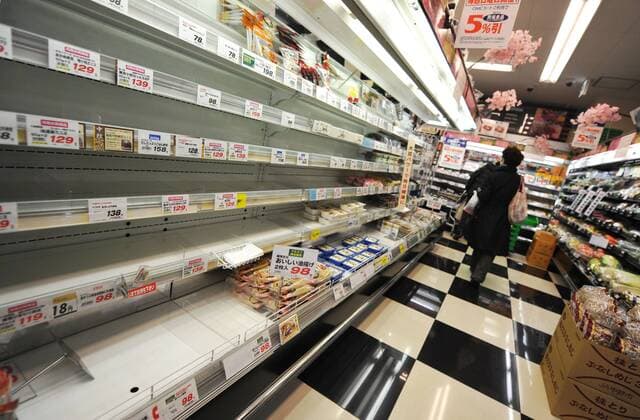
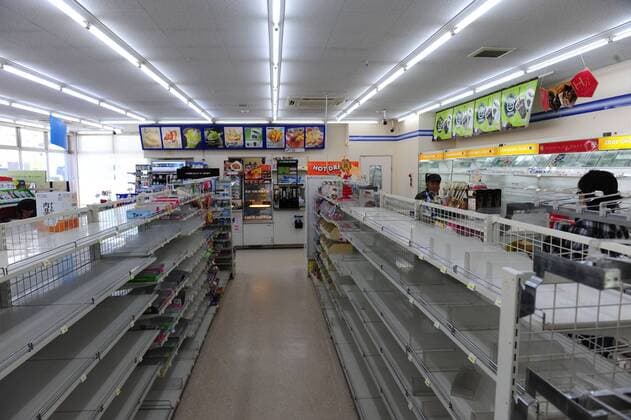
  • (110317) -- TOKYO, March 17, 2011 (Xinhua) -- People select goods beside empty shelves used to put instant food in Tokyo, March 17, 2011. Instant food supplies in many stores in Tokyo see great shortage after last Friday s devastated earthquake. (Xinhua Huang Xiaoyong) (zx) JAPAN-TOKYO-EARTHQUAKE-AFTERMATHS
  • March 17, 2011, Koriyama, Japan - Residents arrive at a temporary shelter in Koriyama, , Fukushima prefecture, on Tuesday, March 15, 2011. Japanese government has issued evacuation orders to people living near a nuclear power, located on the Pacific coast some 35km southeast of Koriyama, which has been experiencing problems in its emergency cooling system since a magnitude 9.0 earthquake hit Japan s northeastern area on March 11.  ( uukb001017)
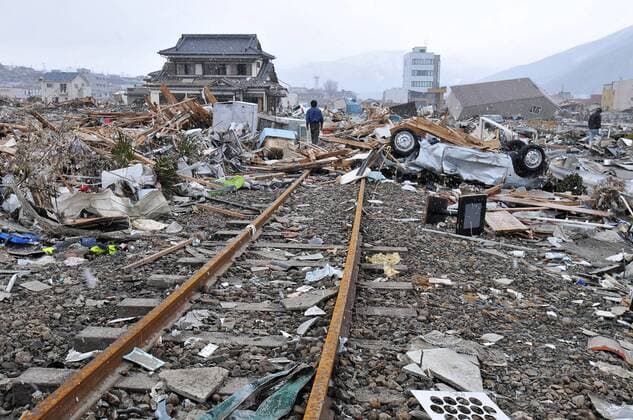
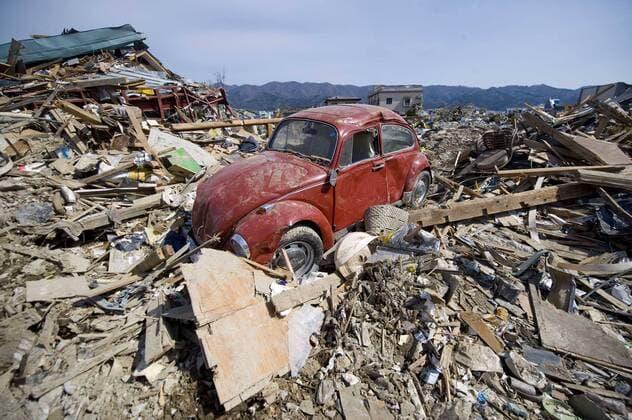
  • OFUNATO, Japan (March 15, 2011) An upended house is among debris in Ofunato, Japan, following a 9.0 magnitude earthquake and subsequent tsunami.  ( 20114191)
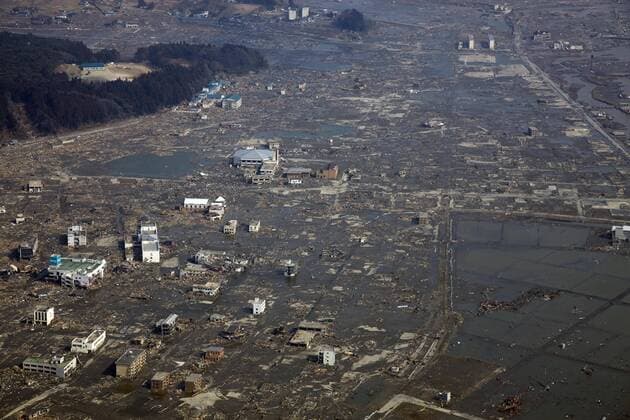
  • March 13, 2011, Rikuzentakata, Japan - Only a few buildings are left standing in Rikuzentakata, Iwate prefecture, on Sunday, March 13, 2011, two days after a 10-meter tsunami swallowed this northeastern Japanese coastal town. A powerful earthquake with a magnitude 9.0 jolted Japan s northeastern prefectures, wreaking havoc on otherwise beautiful coastal towns and farmlands. The death toll from the nation s worst and the world s fourth worst quake could rise above 10,000.  (vbhb000019)
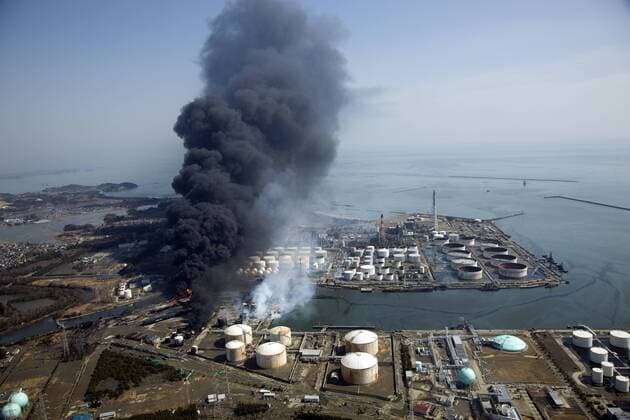
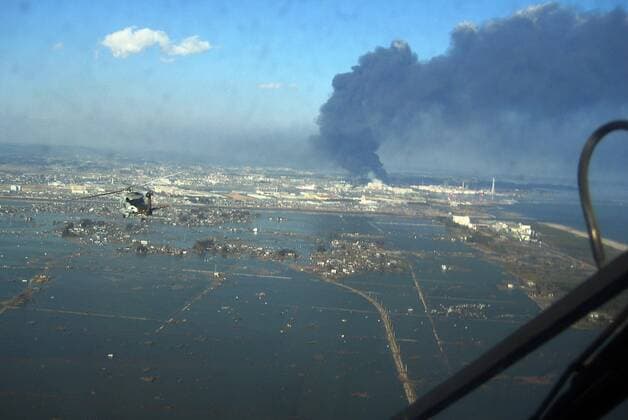
  • March 13, 2011, Sendai, Japan - Columns of thick black smoke reach high in the air from a burning oil refinery in Sendai, Miyagi prefecture, on Sunday, March 13, 2011, two days after a powerful earthquake with a magnitude 9.0 jolted Japan s northeastern prefectures, wreaking havoc on otherwise beautiful coastal towns and farmlands. The death toll from the nation s worst and the world s fourth worst quake could rise above 10,000.  (vbhb000014)
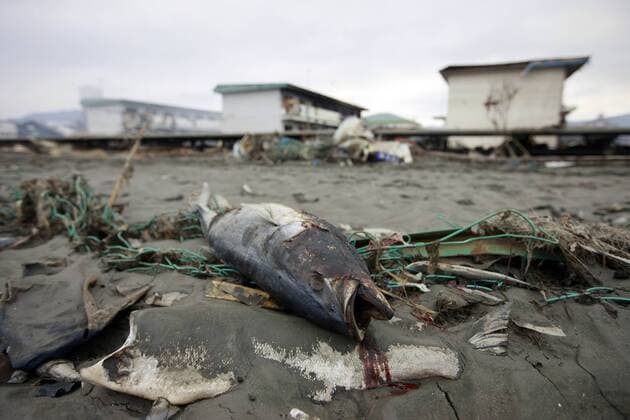
  • (110315) -- KESENNUMA, March 15, 2011 (Xinhua) -- A burned fish is seen in the quake-hit area of Kesennuma city, Miyagi Prefecture, Japan, March 15, 2011. (Xinhua Ren Zhenglai) (zcc) JAPAN-QUAKE
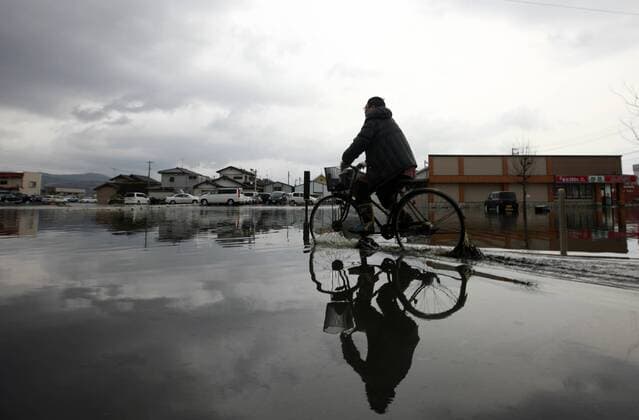
  • (110315) -- ISHINOMAKI, March 15, 2011 (Xinhua) -- A man rides through water in the quake-hit area of Ishinomaki city, Miyagi Prefecture, Japan, March 15, 2011. (Xinhua Ren Zhenglai) (zcc) JAPAN-QUAKE
  • SENDAI, Japan (March 12, 2011) An SH-60B helicopter assigned to the Chargers of Helicopter Antisubmarine Squadron (HS) 14 from Naval Air Facility Atsugi flies over the city of Sendai to deliver more than 1,500 pounds of food to survivors of an 8.9 magnitude earthquake and a tsunami. The citizens of Ebina City, Japan, donated the food, and HS-14 is supporting earthquake and tsunami relief operations in Japan as directed.  ( 20114130)
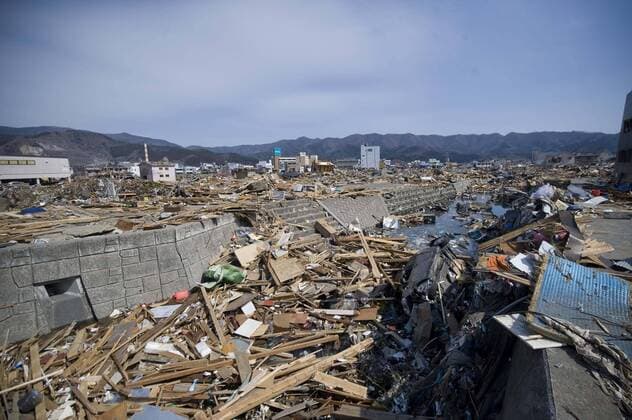
  • (110314) -- OFUNATO, March 14, 2011 (Xinhua) -- Photo taken on March 14, 2011 shows the ruins in Ofunato city of Japan s northeastern Iwate Prefecture. (Xinhua Lui Siu Wai) (zyw) JAPAN-OFUNATO-QUAKE
  • (110314) -- OFUNATO, March 14, 2011 (Xinhua) -- Photo taken on March 14, 2011 shows the ruins in Ofunato city of Japan s northeastern Iwate Prefecture. (Xinhua Lui Siu Wai) (zyw) JAPAN-OFUNATO-QUAKE
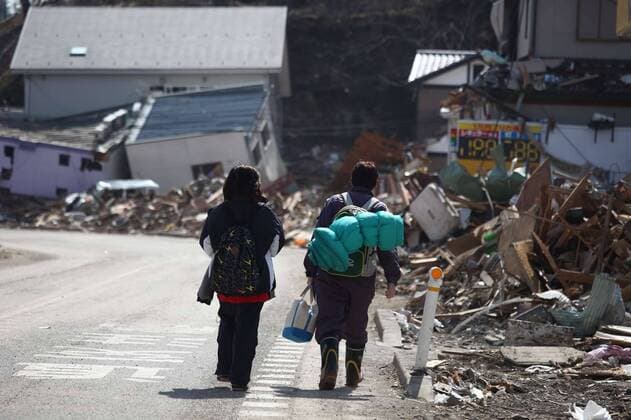
  • (110314) -- OFUNATO, March 14, 2011 (Xinhua) -- Two residents walk along the road near the ruins in Ofunato city of Japan s northeastern Iwate Prefecture, March 14, 2011. (Xinhua Cheong Kam Ka) (zyw) JAPAN-OFUNATO-QUAKE
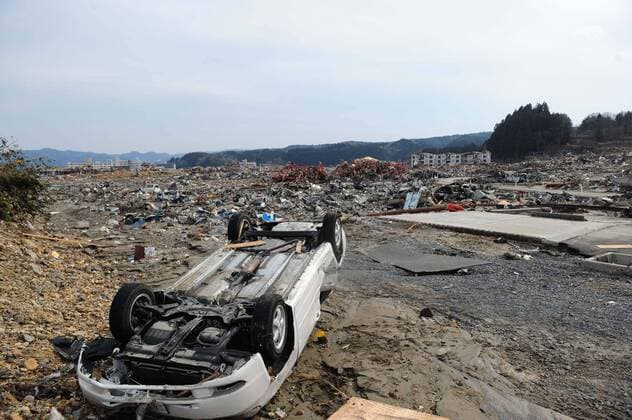
  • (110314) -- MINAMISANRIKU (JAPAN), March 14, 2011 (Xinhua) -- Wrekage of a car can be seen in Minamisanriku Town, Miyagi prefecture, Japan, March 14, 2011. (Xinhua Ji Chunpeng) (jl) JAPAN-QUAKE
  • MIYAKO, March 13, 2011 (Xinhua) -- A resident walks on the road after the earthquake in Miyako of Iwate, Japan, March 13, 2011. The earthquake and the ensuing tsunami hit the city of Miyako on Friday, leaving 41 people dead, 11 people injured and 628 others missing in Miyako, according to local government. (Xinhua Lui Siu Wai) (djj) JAPAN-MIYAKO-QUAKE
  • SENDAI, March 13, 2011 (Xinhua) -- Rescuers work at Sanbontsuka of Wakabayashi in Sendai City, Miyagi Prefecture, Japan, March 13, 2011. The area lost contact with the outside world after Friday s quake and tsunami. Friday s catastrophic earthquake in Japan and the following devastating tsunami have ravaged the country, while massive rescue and recovery efforts have been quickly launched to save lives and minimize losses. (Xinhua Ji Chunpeng)(yc) JAPAN-QUAKE
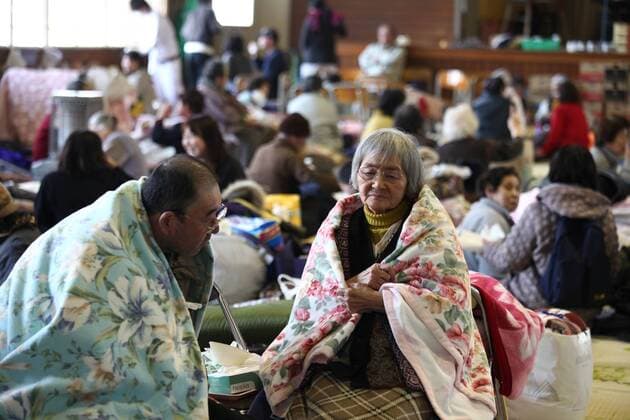
  • MIYAKO, March 13, 2011 (Xinhua) -- Residents rest at a temporary shelter in Miyako of Iwate, Japan, March 13, 2011. The earthquake and the ensuing tsunami hit the city of Miyako on Friday, leaving 41 people dead, 11 people injured and 628 others missing in Miyako, according to local government. (Xinhua Cheong Kam Ka) (djj) JAPAN-MIYAKO-QUAKE
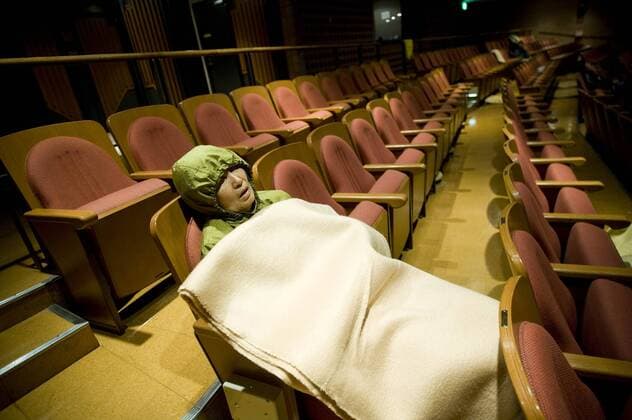
  • (110313) -- MORIOKA, March 13, 2011 (Xinhua) -- A victim rests at a temporary shelter provided by local government in Morioka of Iwata, Japan, March 13, 2011. Some part of the city is facing blackout and water shortage due to the earthquake on Friday. Local government has provided 57 temporary shelters for about 3200 victims in Morioka. (Xinhua Lui Siu Wai) (djj) JAPAN-MORIOKA-QUAKE
  • (110313) -- FUKUSHIMA, March 13, 2011 (Xinhua) -- Daily necessities are sold out at a store in Fukushima Prefecture, northeastern Japan, on March 13, 2011. Over 1,000 people has been killed after Friday s great earthquake and ensuing huge tsunami hit northeast Japan, public broadcaster NHK reported Saturday. (Xinhua Ji Chunpeng) (lr) JAPAN-FUKUSHIMA-QUAKE
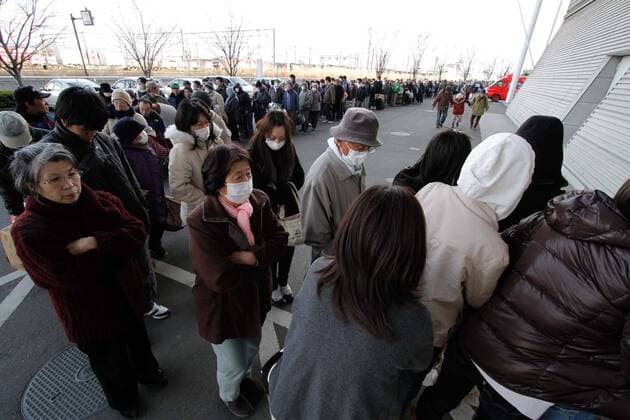
  • (110312) -- FUKUSHIMA, March 12, 2011 (Xinhua) -- People wait to buy daily necessities outside a supermarket in Fukushima, Japan, March 12, 2011. A latest National Police Agency tally said that 185 people were killed and 708 others were missing following the 8.8-magnitude earthquake that struck northeastern and eastern Japan and triggered a massive tsunami on Friday. (Xinhua Ji Chunpeng) (lmz) JAPAN-QUAKE
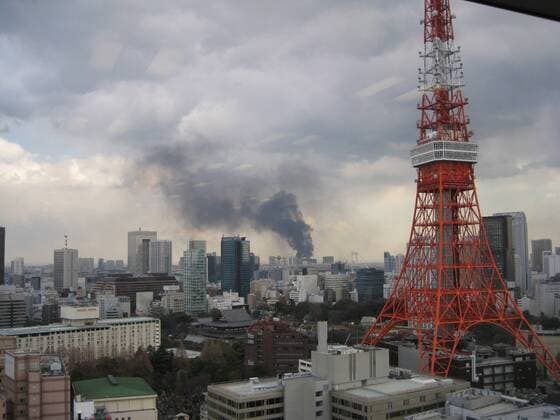
  • TOKYO, March 11, 2011 (Xinhua) -- Smoke rises after the earthquake in Tokyo, Japan, March 11, 2011. An earthquake measuring 8.6 on the Richter scale jolted off the east coast of Japan s main Honshu island Friday, according to the China Earthquake Network Center. (Xinhua Feng Wuyong) (djj) JAPAN-TOKYO-QUAKE