EditorialCreativeSportKollektionenVideos
Preise
0Anmelden

Visuelle Inhalte für Profis.
800 Mio.+ Bilder und Videos.

Content-Hub

  • Aktuelle Ereignisse
  • Bilder des Jahres
  • Sport
  • Editorial
  • Creative
  • Kollektionen
  • Videos

Angebote

  • Preise & Pakete
  • Aktionen
  • Enterprise
  • Newsletter
  • Blog
  • The Game Magazine

Services

  • Bildrecherche
  • Auftragsfotografie
  • API & FTP Push
  • my-picturemaxx
  • Partner werden

Unternehmen

  • Über IMAGO
  • Karriere
  • News

Hilfe-Center

  • FAQ
  • Kontakt
ImpressumNutzungsbedingungenLizenzinformationenDatenschutzDatenschutzeinstellungen
© 2026 IMAGO
CEPICBAPLABVPA
Zurück zu den Kollektionen

Natur, Pflanzen, Blauer Eisenhut

23.02.2024

Die folgenden Fotos wurden von der IMAGO Bildredaktion zu diesem Thema für Sie ausgewählt. Für weitere Bilder nutzen Sie bitte die Suchfunktion.
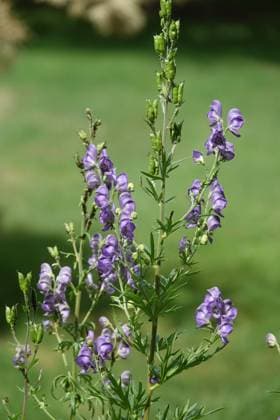
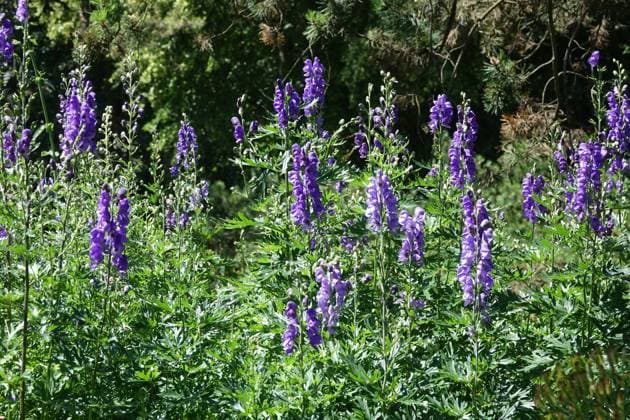
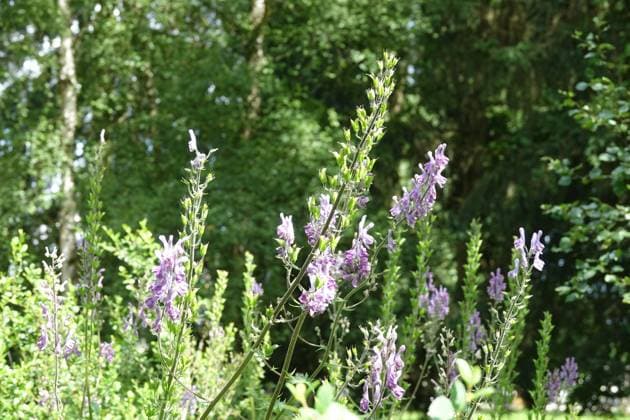
  • Aconitum columbianum, nordamerikanischer Eisenhut, Columbia monkshood Aconitum columbianum, nordamerikanischer Eisenhut, Columbia monkshood Copyright: xZoonar.com PeterxHimmelhuberx 20557805
  • Aconitum variegatum, Bunter Eisenhut, variegated aconite Aconitum variegatum, Bunter Eisenhut, variegated aconite Copyright: xZoonar.com PeterxHimmelhuberx 20455306
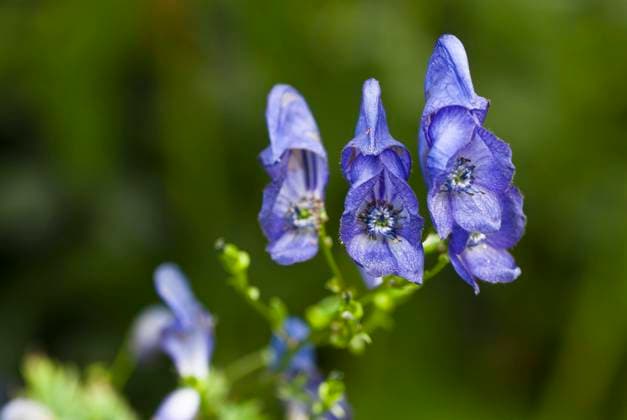
  • Aconitum napellus, Blauer Eisenhut, monkshood Aconitum napellus, Blauer Eisenhut, monkshood Copyright: xZoonar.com PeterxHimmelhuberx 17337490
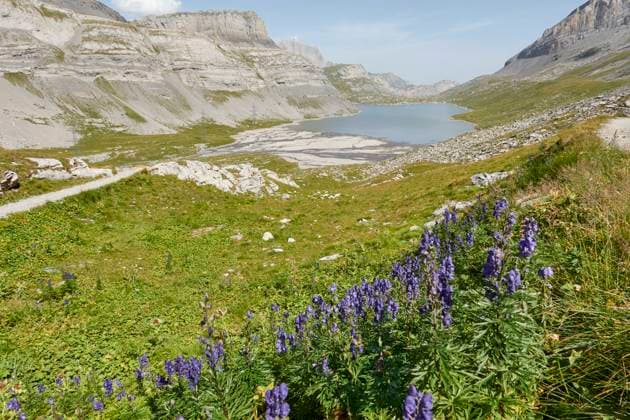
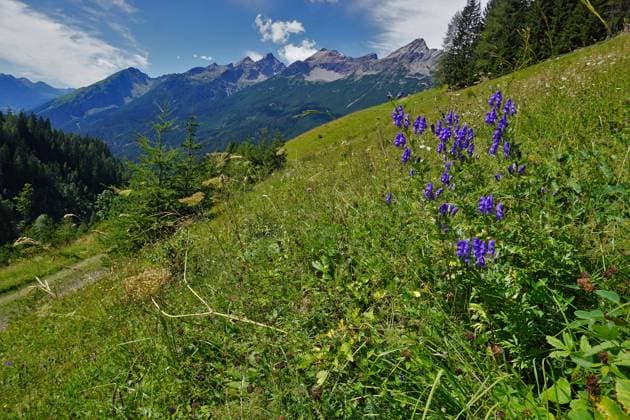
  • Blauer Eisenhut mit Daubensee und Gebirge im Hintergrund. Gemmipass, Leukerbad, Wallis, Schweiz *** Blue Eisenhut with Dauben lake and Mountains at Background Gemmi Pass, Leukerbad, Wallis, Switzerland 1082502326
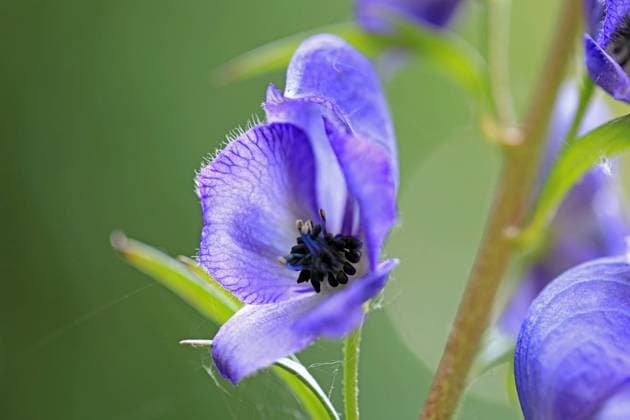
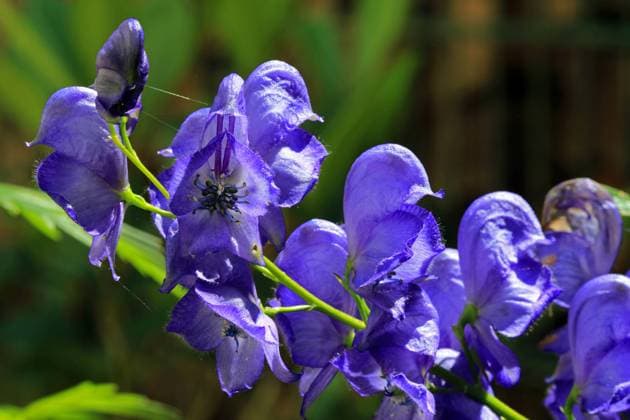
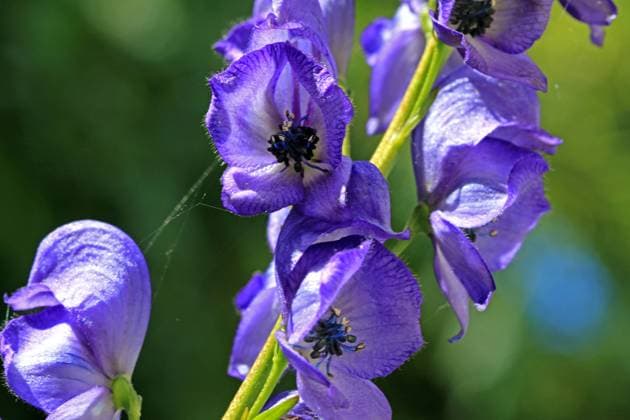
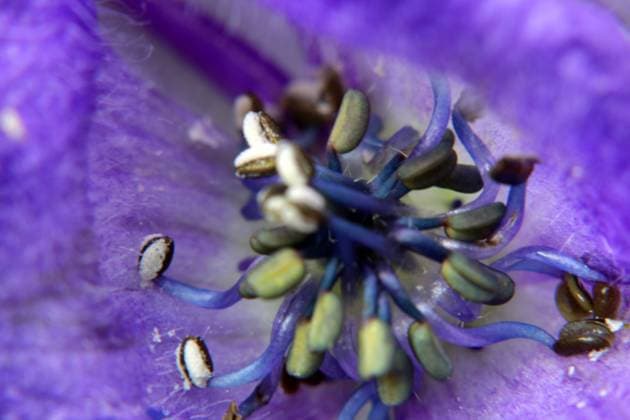
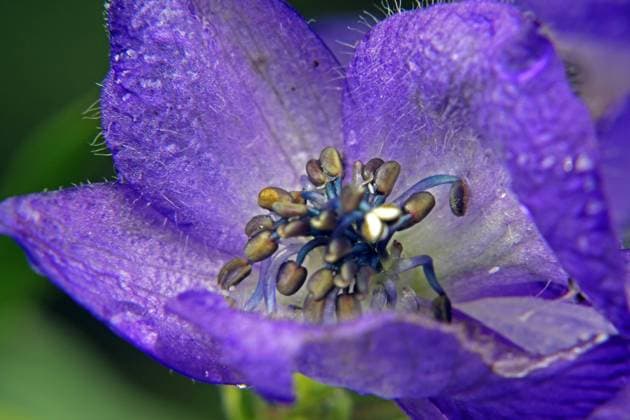
  • Hochgiftige Pflanzen in der Natur und Gärten Die Blüte vom Blauen Eisenhut, der als die giftigste Pflanzenart Europas gilt und durch das Gift Aconitin in kürzester Zeit selbst bei minimaler Dosis einen qualvollen Tod bringen kann. Alle Pflanzenteile sind giftig und können auch durch die Haut in den Körper eindringen. Daher sind Handschuhe bei Kontakt zwingend erforderlich. *** Highly toxic plants in nature and gardens The blossom of aconite, which is considered the most poisonous plant species in Europe and can bring an agonizing death in a very short time even with a minimal dose due to the poison aconitine All parts of the plant are poisonous and can also penetrate the body through the skin Therefore, gloves are mandatory in case
  • Hochgiftige Pflanzen in der Natur und Gärten Die Blüte vom Blauen Eisenhut, der als die giftigste Pflanzenart Europas gilt und durch das Gift Aconitin in kürzester Zeit selbst bei minimaler Dosis einen qualvollen Tod bringen kann. Alle Pflanzenteile sind giftig und können auch durch die Haut in den Körper eindringen. Daher sind Handschuhe bei Kontakt zwingend erforderlich. *** Highly toxic plants in nature and gardens The blossom of aconite, which is considered the most poisonous plant species in Europe and can bring an agonizing death in a very short time even with a minimal dose due to the poison aconitine All parts of the plant are poisonous and can also penetrate the body through the skin Therefore, gloves are mandatory in case
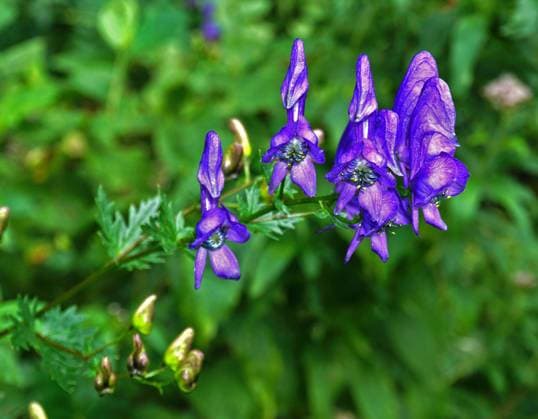
  •  Blauer Eisenhut (Aconitum napellus), Giftpflanze, Nordrhein-Westfalen, Deutschland, Europa *** Blue Eisenhut Aconitum napellus , poison plant, North Rhine Westphalia, Germany, Europe Copyright: imageBROKER/DieterxMahlke ibxdim09120754.jpg
  • Blauer Eisenhut, Aconitum napellus, Lechtal, Österreich, Tirol Blauer Eisenhut, Aconitum napellus, im Lechtal, Österreich, Tirol, Blick zur Hornbachkette Copyright: xZoonar.com JürgenxVogtx 16086488
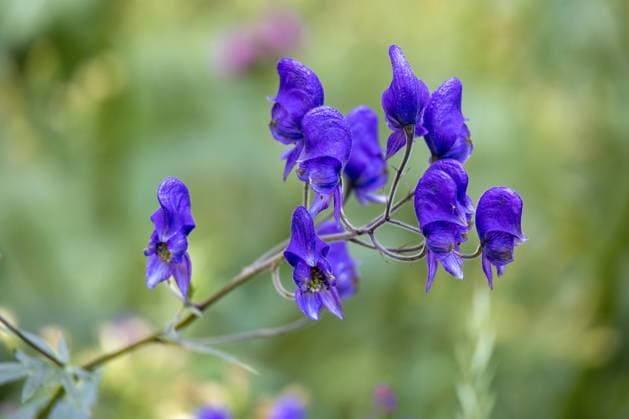
  • Blauer Eisenhut, Aconitum napellus, helmet flower, monkshood Blauer Eisenhut, Aconitum napellus, aconite, helmet flower, monk s blood, monk s hood, monkshood Copyright: xZoonar.com JürgenxVogtx 16023140
  • Acontium or Wolfsbane or Monks Hood (Aconitum napellus) growing wild in the Natural Park of Paneveggio Pale di San Martino in Tonadico, Trentino, Italy Acontium or Wolfsbane or Monks Hood (Aconitum napellus) growing wild in the Natural Park of Paneveggio Pale di San Martino in Tonadico, Trentino, Italy Copyright: xZoonar.com PhilxBirdx 16656006
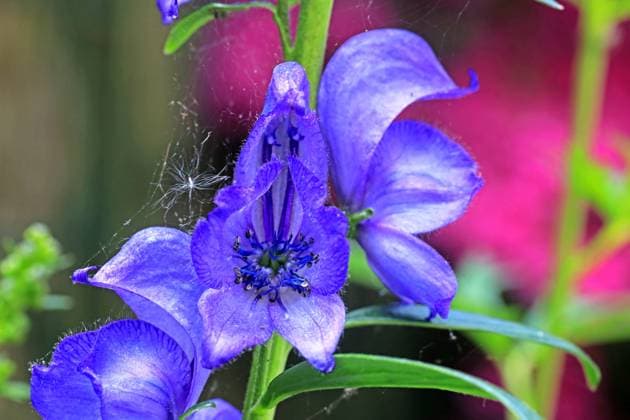
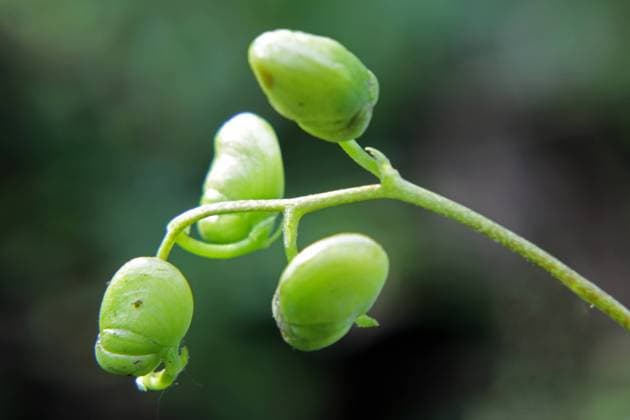
  • Hochgiftige Pflanzen in der Natur und Gärten Die Blüte vom Blauen Eisenhut, der als die giftigste Pflanzenart Europas gilt und in kürzester Zeit den Tod bringen kann. *** Highly toxic plants in nature and gardens The flower of aconite, which is considered the most poisonous plant species in Europe and can bring death in a very short time
  • Hochgiftige Pflanzen in der Natur und Gärten Die Blüte vom Blauen Eisenhut, der als die giftigste Pflanzenart Europas gilt und in kürzester Zeit den Tod bringen kann. *** Highly toxic plants in nature and gardens The flower of aconite, which is considered the most poisonous plant species in Europe and can bring death in a very short time
  • blauer eisenhut,eisenhut *** monkshood,monkshoods fu1-l2c
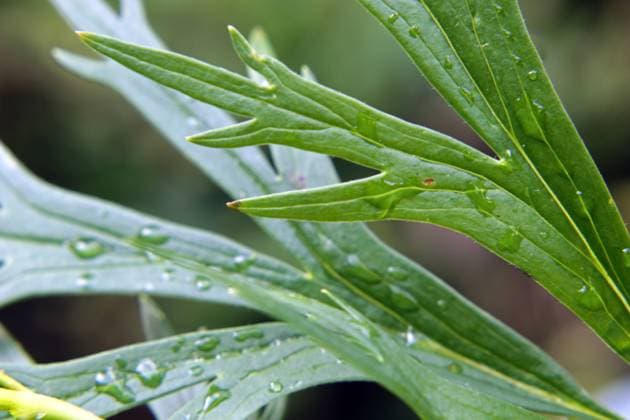
  • Hochgiftige Pflanzen in der Natur und Gärten Die Blätter vom Blauen Eisenhut, der als die giftigste Pflanzenart Europas gilt und in kürzester Zeit den Tod bringen kann. *** Highly poisonous plants in nature and gardens The leaves of aconite, which is considered the most poisonous plant species in Europe and can cause death in a very short time
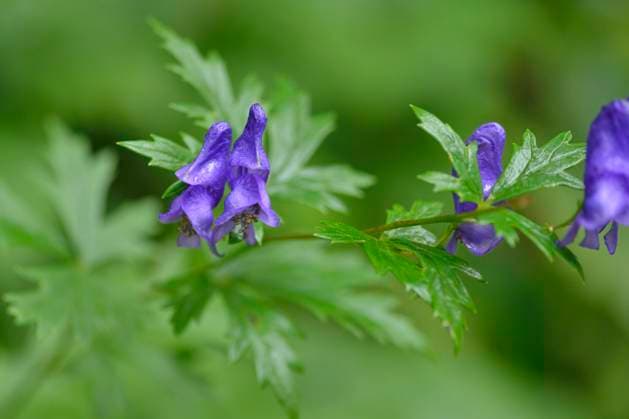
  • Hochgiftige Pflanzen in der Natur und Gärten Pflanzenteile vom Blauen Eisenhut, der als die giftigste Pflanzenart Europas gilt und in kürzester Zeit den Tod bringen kann. *** Highly poisonous plants in nature and gardens Plant parts of aconite, which is considered the most poisonous plant species in Europe and can cause death in a very short time
  • Hochgiftige Pflanzen in der Natur und Gärten Die Blüte vom Blauen Eisenhut, der als die giftigste Pflanzenart Europas gilt und in kürzester Zeit den Tod bringen kann. *** Highly poisonous plants in nature and gardens The blossom of aconite, which is considered the most poisonous plant species in Europe and can cause death in a very short time.
  • Hochgiftige Pflanzen in der Natur und Gärten Die Blüte vom Blauen Eisenhut, der als die giftigste Pflanzenart Europas gilt und in kürzester Zeit den Tod bringen kann. *** Highly poisonous plants in nature and gardens The blossom of aconite, which is considered the most poisonous plant species in Europe and can cause death in a very short time.